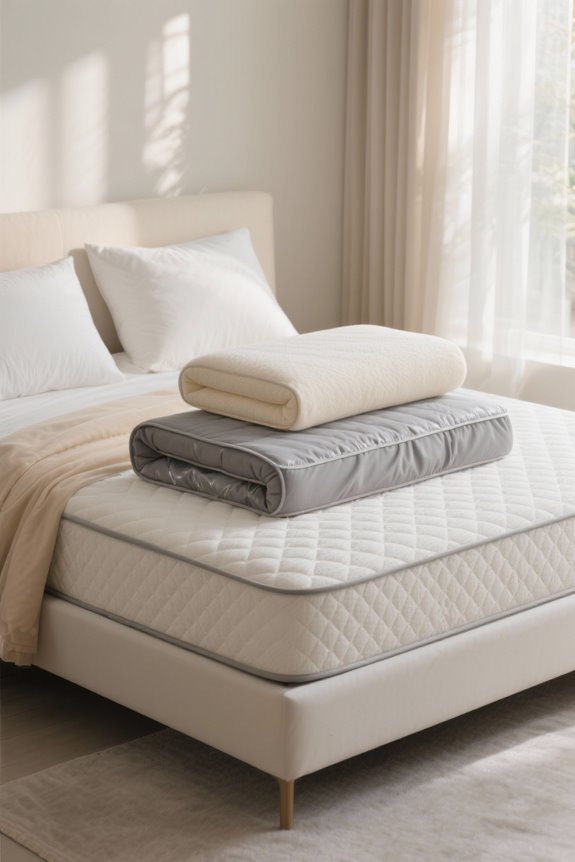
To manage your duvet effectively, use corner ties and clips. First, gather ribbon or string for ties. Secure them at each corner of the duvet cover. Check for built-in corner loops or sew diagonal ribbons if they are missing. Consider adding duvet clips for heavier comforters. Regularly shake and fluff the duvet to guarantee even fill distribution. Inspect ties and fasteners monthly for wear. Following these steps enhances stability, leading to a more restful sleep experience. Learn more about specific techniques below.
Key Takeaways
- Secure duvet insert using built-in corner ties or sew on diagonal ribbons for additional stability, especially if the cover lacks corner loops.
- Utilize duvet clips or fasteners for heavier comforters to minimize shifting and keep the duvet aligned throughout the night.
- Regularly inspect and maintain corner ties and fastening methods monthly to ensure they are effective and securely attached.
- Fluff and shake the duvet periodically to ensure even fill distribution, preventing lumps and enhancing overall comfort.
- Adjust securing methods based on the season or material, opting for stronger fasteners for slippery fabrics to maintain duvet stability.
Understanding Duvet Cover Shifting Issues
Duvet cover shifting is a common issue that many face during sleep. This shifting often happens due to movements while resting, leading to disturbances. One primary cause is the improper sizing between the duvet insert and duvet cover, which creates unnecessary space. Slippery fabric types, like satin or silk, can exacerbate this problem by lacking friction. To combat duvet cover shifting, utilize fastening features such as corner ties or clips. These tools help secure the duvet insert within the cover, preventing it from sliding around. Regularly inspect these fastening methods and adjust them as needed to maintain a well-aligned bedding setup. This simple practice can greatly reduce the frustrations caused by duvet cover shifting during sleep.
Essential Materials for Corner Tie Setup
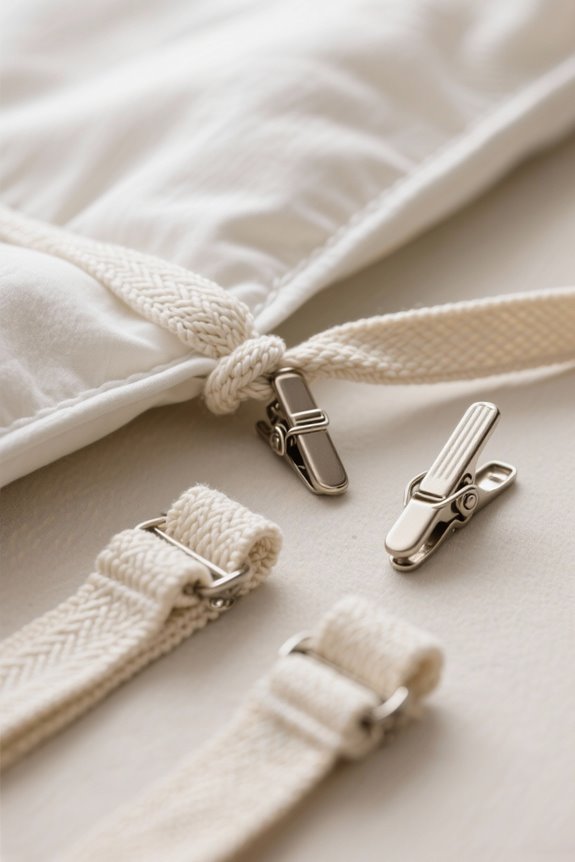
Creating a stable duvet cover setup requires specific materials. First, gather a duvet cover and a duvet insert. You will also need four pieces of durable ribbon or thick string, each approximately 12 inches long, for the corner ties. Verify the ribbon can withstand tension while securing your duvet cover. A sewing machine or needle and thread is essential for attaching the corner ties securely. If the duvet lacks existing duvet loops, add additional 2-inch ribbons to enhance stability. To maximize storage space when not in use, consider using jumbo vacuum storage bags which provide protection and space efficiency. It is important to allocate time for gathering these materials to facilitate a smoother setup process. Proper preparation can simplify securing your duvet cover, preventing it from shifting during use. Follow these steps to achieve an effective duvet management solution.
Recommended Products

3 PIECE CRIB BEDDING SET INCLUDES: Crib Comforter (41in. x 32in.), Fitted Crib Sheet (52in. x 28in. x 8in. Pocket), and Crib Skirt (52in. x 28in. x 12in. Drop). An infant crib set including all the baby essentials is a great value compared to purchasing pieces separately. This shabby chic baby crib set is made of soft microfiber fabric and features a classic, delicate and feminine ballet color palette of rose blush pink and white to bring your ballerina princess dancer themed baby room together.

TWIN XL (4pcs) Bed Sheets Set includes: 1 flat sheet 66" x 96", 1 fitted sheet 39" x 80" x 14"(W*L*H), and 2 shams 20" x 30". Fitted sheet has elastic to stretch and fit snugly over mattresses up to 12-inches deep.

Size and Package: Wedding arch flowers include 1 x large corner large flower swag (36" long x 21" wide); 1 x Tie-back flower swag (35" long x 18" wide) ; 4 x zip ties; 4 x clips(not include stand and fabric)
Step-by-Step Guide to Sewing Corner Ties
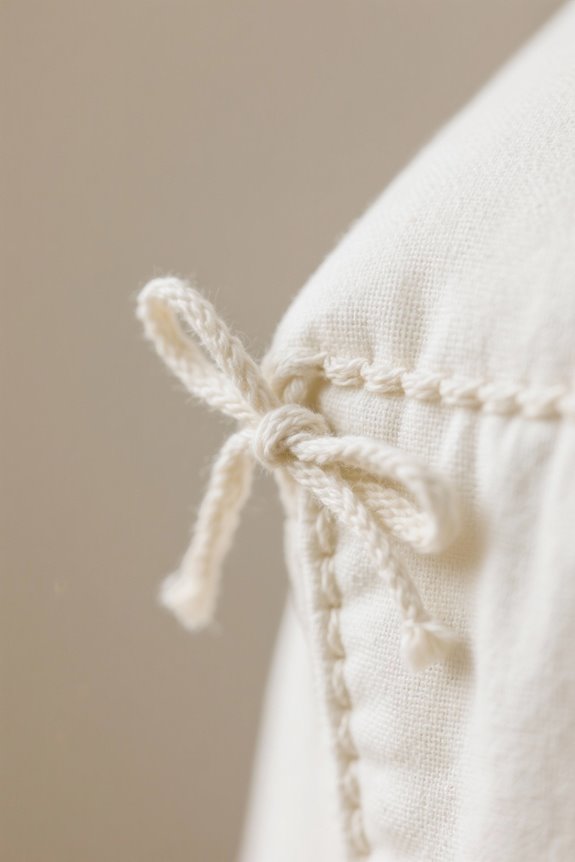
To effectively secure a duvet within its cover, start by preparing four 12-inch pieces of ribbon or thick string. Next, turn the duvet cover inside out and locate each corner. These are the points where you will sew the corner ties for stability. Carefully sew each piece of ribbon into the seam allowance of the duvet cover’s corners. Confirm that the ties are hidden to maintain a neat appearance. If your duvet lacks corner loops, you can cut additional 2-inch ribbons for the duvet corners. Securely sew these ribbons on as an alternative. Once everything is complete, tie the corner ties of the duvet cover to any corresponding loops on the duvet for enhanced stability during use. For optimal durability and protection, consider using pillow protectors with secure zippered enclosure to complement your bedding setup.
Recommended Products

BEST SELLING BEDDING: Our best selling Luxury Sateen Bedding bundle that saves you money versus buying each item separately! Award-winning, buttery smooth sheets ideal for year-round comfort. We only use the longest, finest 100% long-staple cotton, and a three-over-one weave that gives our Luxe Sateen Sheets a luxurious lustrous finish you’ll swoon over.

[LUXURIOUSLY SOFT&NOISELESS]: 420 thread count 100% skin friendly shell. It's soft to touched and noiseless.Let you enjoy a full night of peaceful sleep

WHAT’S INCLUDED (8-PIECE BED IN A BAG) – Includes 1 white down alternative comforter (duvet insert), a matching 4-piece 600 thread count 100% cotton sheet set, and a matching 3-piece 600 thread count 100% cotton duvet cover set. The duvet cover helps protect your comforter and is easy to remove and wash
Securing Your Duvet: Attaching Methods Explained
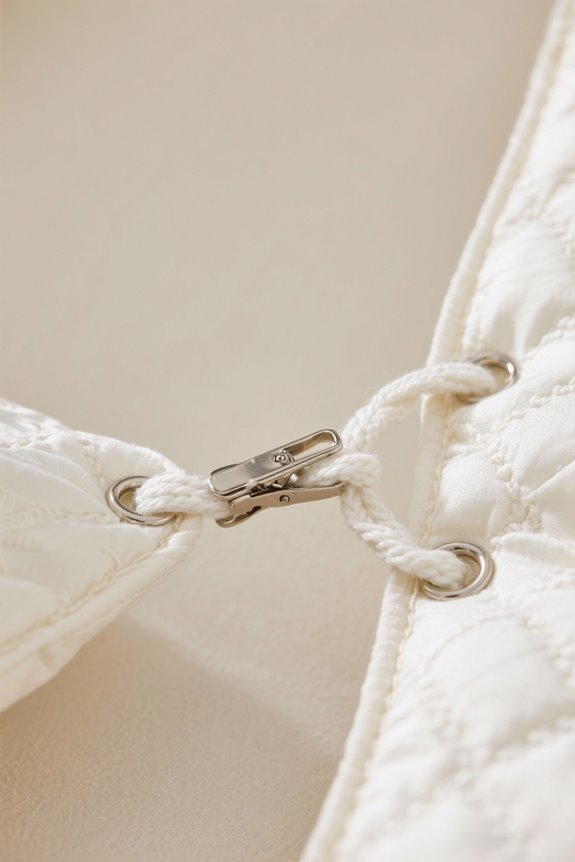
When securing a duvet, understanding various attachment methods is crucial. Use built-in corner ties found in duvet covers. These ties prevent shifting during sleep and keep the duvet neat. If a duvet lacks corner loops, sew diagonal ribbons onto each corner to create secure attachment points. This enhances stability considerably. Additionally, consider using duvet clips or fasteners to hold heavier comforters in place. These clips reduce bunching inside the duvet cover. Regularly inspect and adjust your securing methods, including ties and clips, to guarantee comfort throughout the night. For a DIY method, easily add small ties or loops to the duvet cover. This technique minimizes movement, especially when built-in fasteners are absent. Many comforters feature OEKO-TEX certifications to confirm the materials meet safety and quality standards, ensuring a healthy sleeping environment.
Recommended Products

NATURAL COTTON: Our Cuddledown Heritage Comforter Covers are made from 100% cotton. We believe natural fibers make a difference – they are softer, more breathable, and just plain better for sleeping.

NATURAL LUXURY: Cuddledown’s Striped Organic Percale Comforter Covers are made from sustainably grown, 100% organic cotton. Each cover is beautifully designed and crafted to bring an exceptionally soft, breathable feel to your bed.

PATENT-PENDING NEW-WAY DUVET COVER: We make bedding better. We’ve thought through every detail to make this the easiest and best duvet cover on the market. Luxurious ultra-soft long-staple 100% sateen cotton, 400 thread count, OEKO-Tex Certified. Includes 1 King/CalKing Sized Duvet Cover (106” by 90”).
Alternative Techniques for Stable Duvets
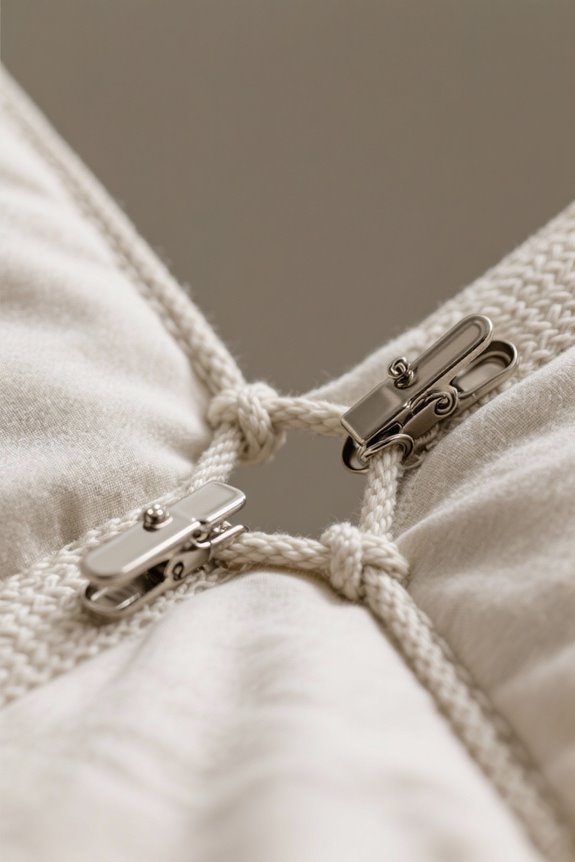
Exploring alternative techniques for stable duvets enhances comfort and prevents disturbances during sleep. First, employ the burrito technique; roll the duvet and cover together, aligning corners to minimize shifting. Next, utilize external duvet clips or fasteners for added stability, securing duvet inserts at multiple points beyond just corner ties. For greater attachment, sew diagonal ribbons or additional corner loops onto the duvet cover. Adjust securing methods based on the cover’s fabric type; use grippers on slippery surfaces to prevent movement. Additionally, periodically inspect, and retighten ties and fasteners after cleaning or changing bedding. Weighted blankets make thought-provoking gifts ideal for birthdays or holidays, promoting comfort and support for stress relief. Implementing these techniques guarantees a securely positioned duvet, providing you with a restful night’s sleep and reduced nighttime disruptions.
Recommended Products
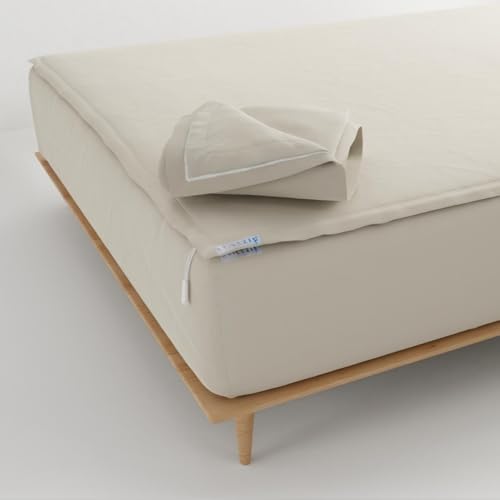
FITTED SHEETS REDEFINED: QuickZip is a patented, 2-part fitted sheet that is convenient, comfortable & hassle-free in every way imaginable; Placing or changing fitted sheets on & off the mattress will never be a struggle again

STURDY AND FOLDABLE DESIGN: 16 Inches Metal Platform Mattress Foundation Bed-Frame made of thickened steel, and the folding heavy duty steel construction provides strong support for any mattress.

3 Pc OVERSIZED KING DUVET COVER ONLY - LUXURY HOTEL QUALITY - Includes 1 Oversized King Size Duvet Cover (120" X 98") and 2 Pillow Shams (20" X 40")- DESIGNED FOR LARGE KING INSERTS ONLY. NO COMFORTER NO PILLOW INCLUDED. Recommended Insert Size: Fits upto 116"x96" inserts . Not compatible with standard King inserts. Please check your insert size before ordering.
Maintenance Tips for Long-Lasting Duvet Integration
Maintaining duvet integration requires regular attention to keep it in ideal condition. Schedule monthly inspections of corner ties and fasteners to guarantee they secure the duvet effectively. Fluff and shake the duvet regularly to promote even distribution of fill, preventing lumps that can lead to discomfort. Adjust securing methods according to seasonal changes; thicker comforters may require additional corner ties to maintain stability. Select attachment methods that match the fabric’s compatibility; slippery materials might need stronger fasteners, such as clips or buttons. Promptly replace any worn or damaged ties and mechanisms to enhance overall duvet stability. Regular maintenance not only prolongs the duvet’s life but also improves bedding comfort for a restful sleep experience. Consider using sheets with a 1000 thread count for added luxury and comfort, as they provide a silk-like feel and exceptional durability.
Troubleshooting Common Duvet Shifting Problems
Duvet shifting can disrupt sleep quality and comfort. To minimize this issue, first, guarantee that the duvet cover fits snugly around the duvet insert. A loose cover invites movement, leading to misalignment. Use corner ties and clips within the duvet cover to secure the duvet in place. This can greatly prevent shifting during sleep. Additionally, regularly inspect and adjust these securing points to maintain stability over time. Employ techniques like the burrito method when inserting the duvet to confirm it lays flat. Finally, be mindful of fabric care; slippery materials will exacerbate shifting. Implementing these strategies will enhance your sleep experience by keeping the duvet comfortably in place throughout the night. Consider investing in hypoallergenic, waterproof materials for your bedding as they not only enhance comfort but also protect against allergens and spills, ensuring a restful night’s sleep.
Recommended Products

【500 Thread Count Pure Cotton Shell】 Encased in a downproof, 500-thread-count, 100% cotton sateen shell featuring a subtle Damask Swiss Dot design and double-needle edge with satin cord piping. OEKO-TEX Standard 100 certified, this soft and breathable fabric is durable, and helps regulate temperature for comfortable and cozy lasting comfort. Highly recommended for its luxurious feel.

【700 Thread Count Pure Cotton Shell】 Encased in a downproof, 700-thread-count, 100% cotton sateen shell featuring double-needle edge with satin cord piping. OEKO-TEX Standard 100 certified, this silky-smooth fabric is breathable, durable, and helps regulate temperature for lasting comfort. Perfect for those seeking hotel collection quality bedding.

NATURALLY TEMPERATURE REGULATING - Sleep soundly and oh so cozy year-round with our breathable, moisture-wicking wool comforter, crafted from traceable organic British wool and a soft organic cotton cover. It naturally regulates temperature for a restful, uninterrupted sleep.
Frequently Asked Questions
How to Secure Duvet Corners?
Securing duvet corners is like anchoring a sail in a storm; choosing the right method varies by different duvet styles, ideal duvet sizes, and bedding fabric choices, ensuring a snug fit for restful sleep.
How to Use a Duvet Corner Tie?
To use a duvet corner tie, first lay the duvet cover inside out, place the duvet on top, then secure it with duvet corner knots. This method enhances duvet security, ensuring comfortable sleep and minimizing shifting.
What Is the German Duvet Method?
In the domain of bedding traditions, the German duvet method prioritizes simplicity. This approach involves using a thicker duvet for warmth, promoting effective duvet care through corner ties, ensuring a secure and aesthetically pleasing sleeping environment.
How to Use Duvet Comforter Clips?
To use duvet comforter clips, attach them to the duvet’s corners and corresponding duvet cover corners for an easy duvet setup. Benefits include preventing shifting and ensuring a snug fit, with options in plastic or metal materials.