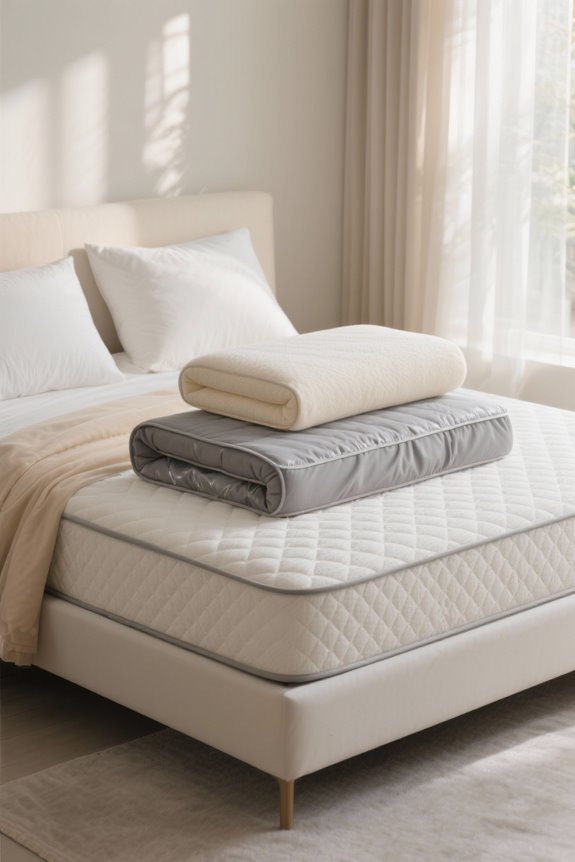

Mattress toppers, protectors, and pads differ in function and design. Toppers, 1 to 4 inches thick, enhance comfort and relieve pressure points. Protectors act as barriers against dust mites and allergens, typically made from waterproof materials. Pads, thinner than toppers at 1 to 2 inches, add slight softness and moisture resistance. Choose based on your specific needs for comfort, protection, or cushioning. To find the best fit for your sleeping habits, consider the details below.
Key Takeaways
- Mattress toppers add 1-4 inches of comfort and support, while mattress pads typically provide only 1-2 inches of cushioning.
- Mattress protectors prevent allergens and spills without altering mattress feel, unlike toppers and pads that enhance comfort.
- Toppers and pads may trap heat and complicate cleaning, whereas protectors are machine washable and easy to maintain.
- Toppers and pads can soften a mattress, while protectors maintain its firmness and are ideal for allergy sufferers.
- Prices vary significantly, with toppers being the most expensive, followed by pads, and protectors usually being the least costly.
Understanding Mattress Toppers
A mattress topper is an additional layer added to an existing mattress, typically ranging from 1 to 4 inches in thickness. These mattress toppers come in various materials, including cooling memory foam, latex, wool, and featherbeds. Each material affects the comfort level, providing different support characteristics. Toppers effectively relieve pressure on the body, making them ideal for those with sleep discomfort. Unlike mattress protectors, which primarily serve to safeguard the mattress, toppers enhance sleep quality by improving the overall feel of the bed. The lifespan of a mattress topper usually ranges from 3 to 5 years, depending on the materials used. They can also prolong the life of the underlying mattress by reducing wear and tear. Cooling Technology is incorporated into many toppers to enhance breathability and regulate temperature for a consistently cool sleep surface.
Advantages of Mattress Toppers
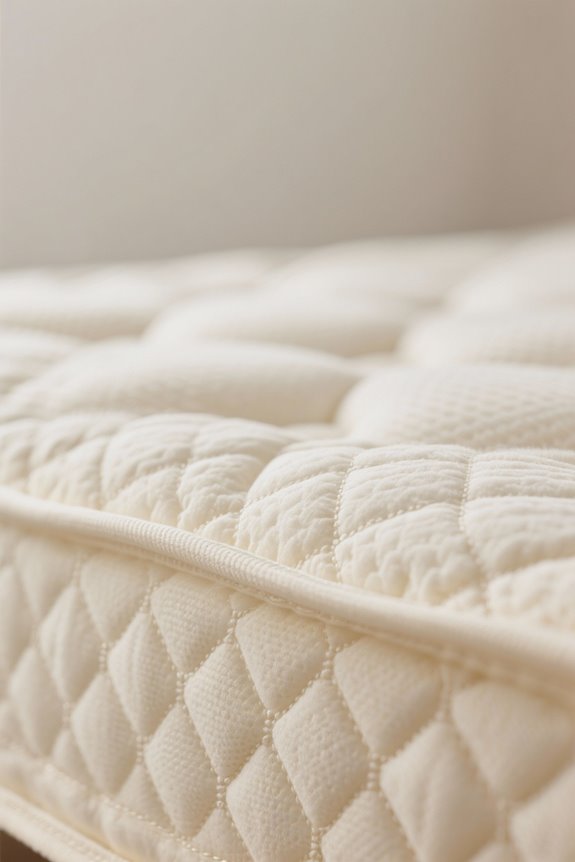
When considering improvements to sleep quality, mattress toppers offer numerous advantages. They can greatly enhance sleep quality by improving comfort on uncomfortable or aging mattresses. Mattress toppers relieve pressure points, particularly around shoulders and hips, promoting better rest. Typically ranging from 1 to 4 inches thick, they allow users to customize the feel of their beds, whether they want a softer or firmer surface. By extending the lifespan of a mattress, toppers prevent sagging and wear, delaying the need for a replacement. Available in different materials, such as memory foam, latex, or wool, they meet various sleeping preferences. For dorm room mattresses, toppers provide an affordable solution, improving comfort without requiring a full mattress replacement. Additionally, choosing toppers made from eco-friendly materials like organic latex can contribute to a more sustainable and healthier sleeping environment.
Disadvantages of Mattress Toppers

While mattress toppers enhance comfort and support, they also come with notable disadvantages. Mattress toppers can trap heat due to their added thickness, making them unsuitable for hot sleepers. Cleaning difficulties arise as some toppers have non-removable components, often requiring spot cleaning or professional services instead of machine washing. For those who prefer a firmer sleeping surface, mattress toppers may be less appealing because they typically soften the feel of your mattress. Additionally, their extra thickness can complicate fitting with specific bed frames or bedding accessories. Investing in a topper can also be costly, with prices ranging from $150 to $400. Ultimately, toppers may contribute to sagging mattresses over time, affecting overall mattress performance. Some mattress protectors made from viscose bamboo offer a cooling and breathable alternative for hot sleepers.
What Are Mattress Protectors?
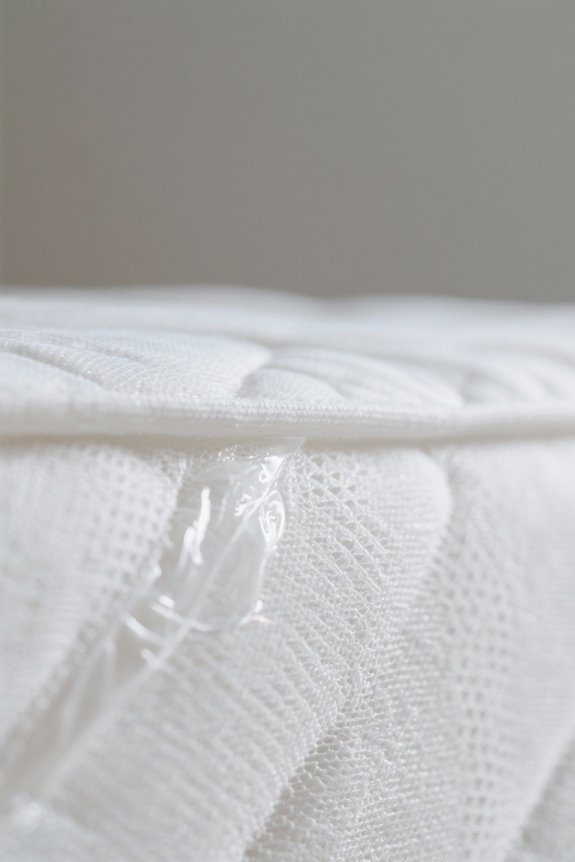
Mattress protectors serve as essential barriers that shield mattresses from various contaminants. These protectors block dust mites, allergens, sweat, spills, and dirt, ensuring cleanliness and helping to extend the life of the mattress. Typically designed like fitted sheets, many mattress protectors feature waterproof materials, making them ideal for families with children or pets susceptible to accidents. They do not enhance comfort but prioritize protection without altering the mattress’s feel. Additionally, most mattress protectors are machine washable, allowing for easy maintenance and contributing to hygiene. For those with allergies, mattress protectors are particularly beneficial, effectively blocking allergens and enhancing overall sleep health. Invest in a mattress protector to maintain hygiene and protect your investment. Mattress encasements, such as Utopia Bedding and SureGuard, offer comprehensive protection against bed bugs and allergens, ensuring a safe sleeping environment.
Recommended Products

OH SO COZY & FAMILY / PET FRIENDLY - Snuggle up on this carded traceable washable wool mattress protector in soft 200 thread count organic cotton cover...in a luxurious champagne color! The wool fibers offer durable and natural, superior temperature control, humidity reduction and high breathability, up to 70% reduction in body heat retention for deeper restorative sleep. Protects your mattress, prolongs its life and promotes good sleep hygiene.

The information below is per-pack only

Instant-Cooling Ver-Tex Fabric: Advanced Ver-Tex technology delivers an instant-cooling feel while enhancing airflow to help reduce heat buildup and keep hot sleepers comfortable throughout the night
Benefits of Using Mattress Protectors
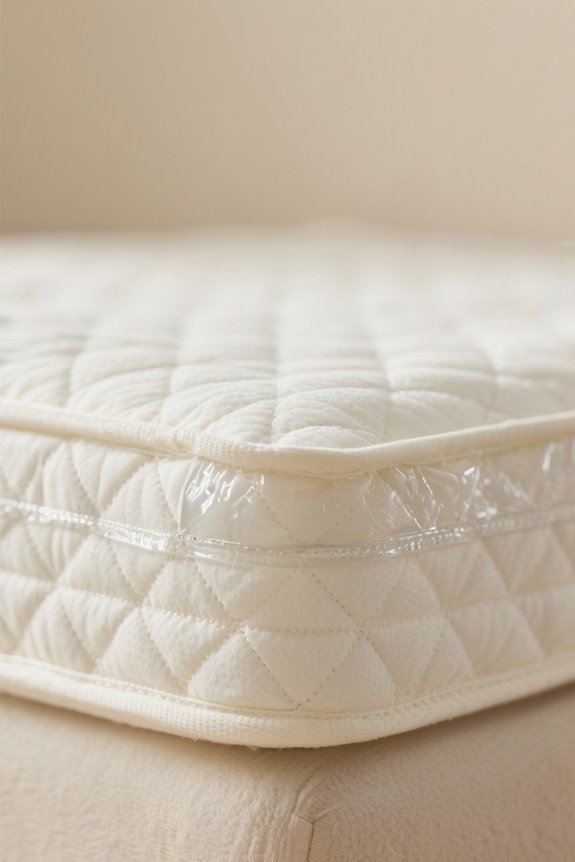
Utilizing a mattress protector yields significant benefits for maintaining a clean sleep environment. Mattress protectors create a barrier against dust mites and allergens, ensuring a healthy sleep environment. Choose waterproof protectors to prevent spills, mold, and mildew, particularly if children or pets are present. Look for options made from breathable materials to enhance comfort while protecting the mattress. Regular use can extend the lifespan of your mattress by preventing wear and tear from accidents and allergens. Additionally, mattress protectors are often machine washable, making them easy to clean and maintain. This hassle-free maintenance contributes to a hygienic sleeping area. Invest in a quality mattress protector for lasting benefits and a more enjoyable sleep experience. Consider options with high customer satisfaction as they often provide comfort and effective protection, enhancing the overall sleeping experience.
Drawbacks of Mattress Protectors
A mattress protector offers essential protection but comes with several drawbacks. Primarily, it does not enhance comfort or cushioning. Those looking for a softer sleep surface may find it lacking. Additionally, many mattress protectors have a plasticky texture, leading to noise when shifting positions. This can disturb sleep quality. Waterproof materials, while protective, can trap body heat, making them unsuitable for hot sleepers. Moreover, mattress protectors provide limited moisture protection and require a mattress pad or topper for added comfort. Their lack of substantial padding or support is another concern. Individuals needing significant pressure relief or support while sleeping may find them inadequate. Consider these factors when choosing a mattress protector. Additionally, the breathable materials used in some mattress protectors can help mitigate the issues of heat retention and noise, although they may not entirely solve the comfort drawbacks.
Exploring Mattress Pads
When exploring mattress pads, it is important to understand their primary purpose and benefits. Mattress pads are typically 1 to 2 inches thick, providing slight comfort enhancements. They do not drastically alter the original firmness of the mattress. Common materials include cotton, wool, feathers, and synthetic fibers, often featuring quilted fabric covers for added softness. These pads offer some protection against spills and allergens but are less effective than mattress protectors in guarding against water damage or dust mites. Most mattress pads are machine washable, making them easy to clean when needed. Consider your needs and preferences, as costs typically range from $20 to a few hundred dollars based on materials used and brand quality. For those seeking enhanced sleep quality, down alternative mattress pads offer a luxurious feel and cooling properties, appealing to a wide range of consumers.
Pros of Mattress Pads
Many consumers appreciate the advantages mattress pads offer. They add a thin layer of comfort, typically 1 to 2 inches thick, enhancing the softness of mattresses. This minor adjustment improves sleep quality while maintaining the bed’s firmness. Mattress pads serve as protectors, creating a washable barrier against moisture, spills, and allergens. This barrier contributes considerably to hygiene and mattress longevity. Furthermore, they are generally more affordable than other options, catering to budget-conscious consumers seeking comfort upgrades. Maintenance is simple; most mattress pads are machine washable, ensuring effortless cleaning and upkeep. Hypoallergenic materials can reduce allergens and improve sleep quality. By choosing mattress pads, individuals can enjoy enhanced comfort and protection without incurring high costs or complicated maintenance routines.
Cons of Mattress Pads
Despite their advantages, mattress pads have several drawbacks that consumers should consider. Mattress pads offer minimal change in overall comfort compared to mattress toppers. Their thinner design makes them more prone to wear out quickly and damage. They often lack substantial cushioning, making them unsuitable for heavier sleepers needing pressure relief. Moreover, many mattress pads do not provide waterproof features, resulting in limited protection against spills and accidents. While they are generally more affordable than toppers, mattress pads may disappoint users seeking significant firmness changes. Ultimately, individuals should evaluate whether the slight enhancements mattress pads provide align with their sleep needs and expectations for comfort and protection. It is important to note that like air purifiers, filter replacement is crucial for maintaining optimal performance and ensuring longevity.
Choosing the Right Option for Your Needs
Selecting the right bedding accessory requires careful consideration of individual sleep needs and preferences. First, identify your primary requirement. Choose mattress toppers for significant comfort upgrades, typically between 1 to 4 inches thick. Opt for mattress pads to slightly enhance plushness, which generally ranges from 1 to 2 inches. If maintaining cleanliness is essential, select mattress protectors to block allergens and spills. Consider affordability as well; mattress pads are often the cheapest, while quality toppers can be pricier. For balanced results, layer a mattress pad over a protector for comfort and light protection, topped with a mattress topper for extra support. Evaluate your options based on comfort levels and personal preferences for a tailored sleep experience. Many people find zippered encasements beneficial as they provide full protection for mattress toppers against spills, dust, and allergens, contributing to improved sleep hygiene.
Frequently Asked Questions
What Is Better, a Mattress Topper or a Pad?
A mattress topper generally offers superior sleep quality through enhanced pressure relief and temperature regulation, while a pad is more budget-friendly and easier to maintain. Material types and durability comparisons should influence individual choices based on hypoallergenic options.
Should I Get a Mattress Topper or Protector?
When choosing between a mattress topper or protector, consider factors like mattress comfort, sleeping position, bed hygiene, durability factors, and price comparison. User preferences for material types, cooling effects, and size options will guide the decision.
Are Mattress Pads and Protectors the Same Thing?
Mattress pads and protectors are not the same; pads enhance comfort with various materials and thickness options, while protectors focus on cleanliness, featuring protective features for allergen prevention and moisture resistance, albeit at different costs and durability.
Do I Need a Mattress Pad if I Have a Topper?
While a mattress pad isn’t strictly necessary if a topper is used, it enhances mattress comfort and sleep quality, provides stain protection, and adds cooling features, especially important in shared environments considering budget, longevity factors, and health benefits.