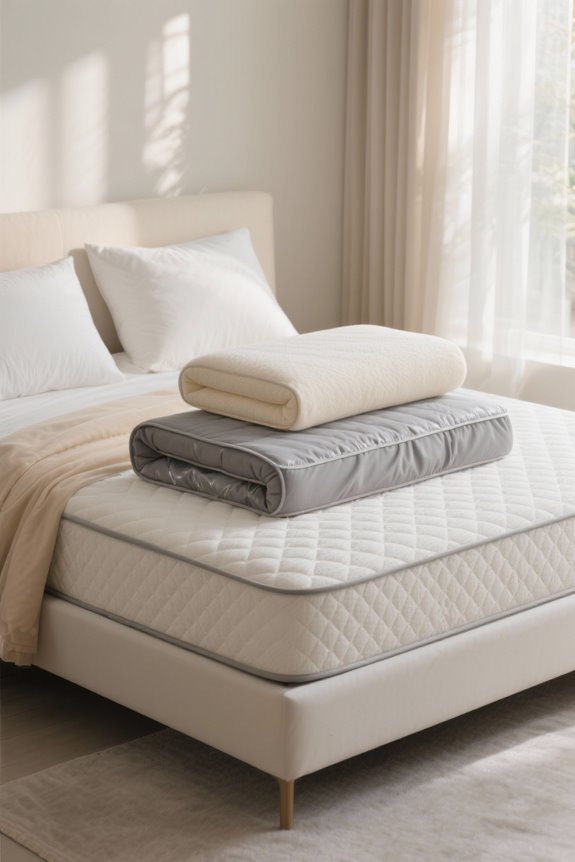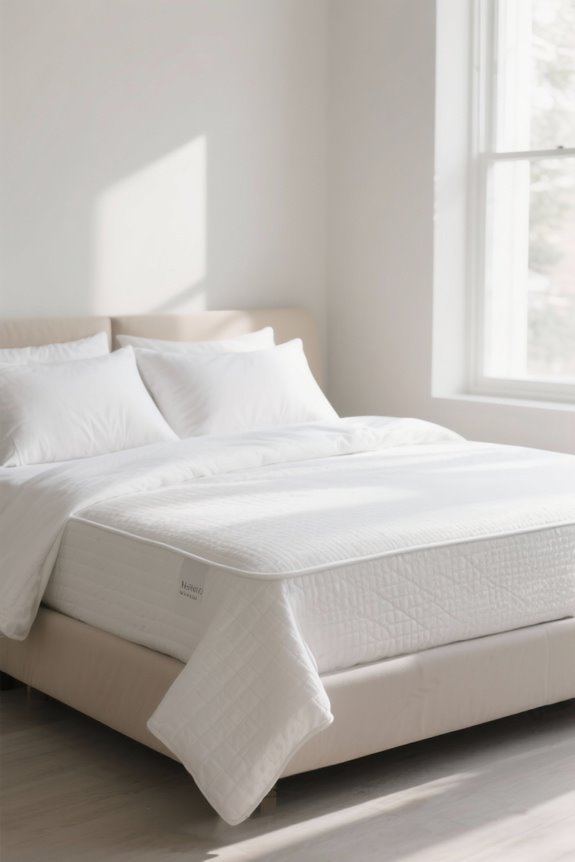

To control allergens in bedrooms, manage dust mites effectively. Use allergen-proof covers on mattresses and pillows. Wash bedding in hot water (at least 120°F) weekly. Implement a cleaning routine that includes damp dusting and vacuuming with a HEPA filter. Clearly label bedding fabrics as hypoallergenic and opt for easy-to-maintain materials. Consider showering before bed to reduce allergens on skin and hair. For thorough methods to enhance your allergy management, further exploration is justified.
Key Takeaways
- Regularly wash bedding and pillowcases in hot water (at least 120°F) to eliminate dust mites and allergens effectively.
- Utilize dust mite-resistant covers on mattresses and pillows to block allergens and reduce exposure significantly.
- Choose hypoallergenic materials like organic cotton for bedding to minimize skin irritation and allergen accumulation.
- Incorporate a consistent cleaning routine, including damp dusting and vacuuming with a HEPA-filtered vacuum, to maintain an allergen-free environment.
- Seek professional evaluation for personalized allergy management and to address underlying conditions that may worsen symptoms.
Understanding Dust Mites and Their Impact on Health
Dust mites, although tiny, play a crucial role in indoor allergen issues. These microscopic creatures thrive in warm, humid environments, especially in homes where temperatures range between 70-80°F. Dust mites feed on dead skin cells, with a used mattress often containing up to 10 million mites. This high population contributes greatly to dust mite allergens, which can trigger allergic reactions. Waste products from dust mites consist of proteins that become airborne, leading to symptoms like sneezing and nasal congestion. To reduce their impact, wash your bedding weekly in hot water. Maintaining low humidity levels improves your home’s air quality. Regular cleaning and adequate ventilation can enhance the quality in your home and support your immune system against allergens. For optimal protection, using tightly woven fabric dust mite covers on pillows can effectively block allergens and improve sleep quality.
How Dust Mites Trigger Allergies

Many individuals unknowingly trigger allergies through exposure to dust mite waste products. Dust mite allergies arise not from the mites themselves, but from proteins in their waste and decomposing bodies. Each mite produces approximately 20 waste pellets daily, which can easily become airborne. With about 80% of U.S. homes hosting dust mites, they are a common allergen source. Regular cleaning is vital. Vacuum carpets and upholstery weekly and wash bedding in hot water every week to reduce exposure to dust mite allergens. It’s essential to maintain this routine, as prolonged exposure can exacerbate asthma symptoms and lead to chronic allergy symptoms like sneezing, nasal congestion, and itchy eyes. Frequent washing helps minimize these health risks effectively. Using hypoallergenic materials in mattress encasements can further reduce exposure to allergens and improve sleep quality.
Common Symptoms of Dust Mite Allergies

How can one identify dust mite allergies? Individuals may experience symptoms such as persistent sneezing, nasal congestion, and itchy or watery eyes, indicating an allergic reaction to dust mites. These symptoms typically occur year-round, often worsening at night or in the morning. This is due to higher concentrations of allergens in bedding and mattresses. Other common complaints include postnasal drip, coughing, and chest tightness, sometimes affecting those with asthma. Significantly, some people may have heightened allergic reactions to dust mites even after they have died. About 30-40% of individuals find minimal relief despite using dust mite covers, highlighting the varying sensitivity among sufferers. Recognizing these symptoms is essential for effective allergen control in bedrooms. Incorporating zippered encasement design in pillow protectors can enhance protection against allergens by securing pillows more effectively.
What Are Dust Mite Covers?
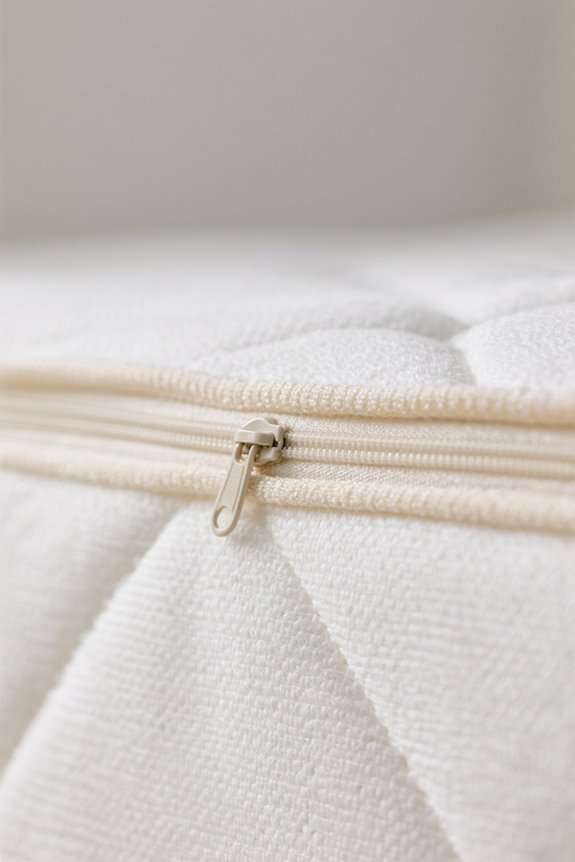
A dust mite cover is an essential tool for allergy management. These covers, also known as allergen-impermeable covers, encase mattresses and pillows to reduce exposure to dust mites and their allergens. Effective Dust Mite Covers have tightly woven fabrics with pore sizes less than 6 microns, blocking allergy-inducing particles while letting air and moisture pass through. Scientific studies show that they can reduce allergenic proteins in bedding by 90% or more. However, only 30-40% of allergy sufferers may notice significant symptom improvement from covers alone. Regular water washing of these covers is vital for maintaining their effectiveness. Wash them as needed, and use allergen-reducing laundry products to enhance their protective properties. It’s important to choose covers with hypoallergenic materials to ensure maximum protection against allergens and to improve the overall sleep environment.
How Dust Mite Covers Work

Dust mite covers serve as a critical barrier against allergens in bedding. Made from allergen-impermeable fabric, they feature tightly woven materials with pore sizes under 10 microns. These covers encase mattresses and pillows fully, trapping existing allergens and preventing further exposure. Studies demonstrate that dust mite covers can reduce allergen levels by 90% or more. This significant reduction helps decrease the risk of allergic reactions caused by dust mite waste. Although effective, only 30-40% of allergy sufferers report substantial symptom relief from dust mite covers alone. Ascertain proper care by washing these covers regularly and keeping them clean. Use allergen-reducing products as needed to maintain their effectiveness and protect against dust mites and even bed bugs. Additionally, consider using mattress protectors with breathable materials like cotton or bamboo viscose for enhanced comfort and protection.
The Science Behind Effectiveness
Effective allergen control relies on understanding the mechanisms behind dust mite covers. These covers, made from tightly woven fabrics with pores smaller than 10 microns, considerably block dust mite allergens. Each dust mite produces around 20 waste pellets daily containing harmful allergic proteins. Regular washing of dust mite covers is essential; use warm or cold water with allergen-reducing products like De-Mite to maintain protection. Additionally, wash bedding weekly in hot water and vacuum with HEPA-filtered vacuums to enhance Indoor Air Quality. While dust mite covers reduce allergen exposure by 90%, studies show only 30-40% of allergy sufferers achieve symptom relief with covers alone. A thorough allergen management strategy is essential for effective control and long-term relief. Implementing bed bug-proof zippered pillowcases can further enhance protection by blocking additional allergens and pests.
First Steps You Can Take Today
To create a healthier bedroom environment, individuals should take immediate action to reduce dust mite exposure. Start by using dust mite covers on pillows and mattresses, which can decrease allergen levels in bedding considerably. Wash all bedding, including sheets and pillowcases, weekly in hot water at least 120°F to kill dust mites effectively. Consider cleaning dust mite covers twice a year during mattress flipping and wash pillow covers every 4 to 6 weeks for ideal control. Regularly vacuum carpets and upholstery with a HEPA-filtered vacuum to lessen dust mite populations. Additionally, employ a dehumidifier to maintain indoor humidity below 50%. This simple step can hinder dust mite growth and help reduce symptoms related to allergies effectively. Incorporating waterproof pillow protectors can also provide an additional layer of protection against moisture, which contributes to dust mite proliferation.
When to Seek Professional ENT Evaluation
When allergy symptoms persist for more than 4 to 6 weeks, seeking a professional ENT evaluation is vital. Individuals should schedule a consultation if they experience persistent nasal congestion, facial pressure, or frequent asthma exacerbations. These symptoms may indicate severe allergic reactions to house dust mites, which can worsen without proper management. Utilizing dust mite covers may not suffice for everyone. A professional evaluation can identify underlying conditions contributing to symptoms and guide personalized treatment plans. Additionally, this assessment can determine if other allergies or complications, such as sinus infections, are affecting quality of life. Proactive measures lead to effective management and improved well-being; therefore, seeking expert advice is essential. Moreover, considering step stools with handles can help those with mobility issues safely access hard-to-reach areas, potentially preventing additional health complications from falls.
Lifestyle Tips for Long-Term Management
Maintaining a clean and allergen-free bedroom is essential for long-term allergy management. Utilize dust mite-resistant covers on pillows and mattresses to create barriers against allergens. Regularly wash bedding and pillowcases in hot water, at least 120°F, to kill dust mites. Incorporate hypoallergenic fabrics in your bedroom textiles to reduce exposure further. Consider investing in hypoallergenic duvet covers made from organic cotton to minimize irritation and block allergens effectively. Keep doors closed to limit dust and allergens from spreading into your sanctuary. Establish a consistent cleaning routine that includes damp dusting and vacuuming with a HEPA-filtered vacuum weekly. Additionally, shower before bed to remove allergens from your skin and hair. These simple yet effective strategies will contribute to a healthier sleep environment, reducing allergy symptoms over time.
Frequently Asked Questions
How Often Should Dust Mite Covers Be Washed?
Dust mite covers should be washed at least twice a year for effective cleaning, enhancing allergy prevention and bedroom hygiene. Regular maintenance guarantees ideal sleeping comfort and prolongs the lifespan of cover materials.
How to Control Dust Mites in Bedroom?
Over 80% of households contain dust mites. Controlling dust mites in the bedroom involves effective prevention strategies, maintaining humidity below 50%, employing proper vacuuming techniques, and ensuring consistent bedroom hygiene for ideal allergen reduction.
How Often Should I Wash Sheets With a Dust Mite Allergy?
For dust mite allergy management, sheet washing frequency should be weekly in hot water. This bedding maintenance routine, paired with hypoallergenic materials and mite-resistant fabrics, effectively aids dust mite prevention and alleviates allergy symptoms.
Do Dust Mites Survive in the Washing Machine?
Dust mites do not survive in washing machines when effective washing techniques are applied. Using appropriate heat settings and fabric choices, along with regular laundry frequency, greatly reduces dust mite habitats and allergen levels in bedding.