
Wash sheets and pillowcases weekly to maintain hygiene and comfort. Those with allergies should launder every 3-4 days. Duvets can be washed every 1-3 months, depending on usage. Use warm water and a mild detergent, and avoid bleach unless necessary. Consider washing pillows alongside sheets for freshness. For effective cleaning, wash them separately from other laundry. Following these guidelines guarantees a healthier sleep environment. Discover additional tips for mattress care and stain removal to enhance bedding maintenance.
Key Takeaways
- Wash sheets at least once a week to maintain hygiene and sleep quality.
- Pillowcases should also be washed weekly to remove oils and allergens.
- Duvets can be washed every 1-2 months, depending on usage and care label instructions.
- Individuals with allergies or sensitive skin may need more frequent washing, every 3-4 days.
- Always check care labels for specific washing instructions to maintain the integrity of the bedding.
Why You Need to Wash Your Sheets
Washing sheets regularly is essential for maintaining a healthy sleep environment. Dust mites, allergens, dead skin cells, and sweat accumulate on unwashed sheets. These elements can negatively affect hygiene and trigger skin irritations or respiratory problems. Freshly washed sheets provide comfort and help in promoting better sleep. Experts recommend laundering sheets at least once a week to guarantee cleanliness. Regular washing reduces the risk of bacteria accumulation, which exacerbates allergies and skin conditions like acne. Moreover, washing regularly protects the integrity of fabric fibers, extending their lifespan and guaranteeing sheets remain in good condition. Tightly woven fabric in dust mite covers can also help block allergens from accumulating in pillows, further enhancing your sleep environment. Adhering to a consistent washing schedule contributes to a healthier, more comfortable sleeping space. Prioritize sheet cleanliness for overall well-being and restful nights.
How Often to Wash Bed Sheets

Maintaining a clean set of bed sheets is essential for a healthy sleep environment. Medical experts advise that individuals should wash their sheets once per week to maintain hygiene. However, those with allergies or sensitive skin may need to wash their bedding every three to four days. During hot weather or if you sweat, increase washing frequency. Rotate multiple sets of sheets to guarantee you always have clean bedding available. Remember to wash your sheets separately from other laundry. While using fabric softener is optional, it can enhance freshness. Regularly washing pillowcases helps reduce exposure to allergens and bacteria, contributing to better overall sleep quality. Clean sheets lead to a healthier sleeping space. Incorporating magnesium glycinate supplements into your routine can enhance sleep quality and promote relaxation, complementing the benefits of a clean sleeping environment.
Recommended Products

HOTEL SHEET COLLECTION: We developed Host & Home T180 sheets for the hotel and vacation rental market. Durable polyester meets soft cotton with this affordable 55% cotton / 45% polyester blended hospitality sheet collection.

HYPOALLERGENIC, BREATHABLE & ODOR-FREE: Perfect for those with allergies or sensitivities, our hypoallergenic design prevents allergic reactions by inhibiting the accumulation of allergens. Designed to promote airflow, these pillows are highly breathable, which helps to dissipate heat and moisture. Combined with odor-free materials, this ensures a relaxed, pleasant sleeping experience every night.

INES LINEN DESIGN: Ines Blue is easy to love; the rhythmic and lyrical paisleys, florals and foliage dance together in washes of blue, indigo and charcoal on a rustic laundered linen ground.
How to Wash Sheets the Right Way
To achieve perfectly clean sheets, follow specific washing instructions carefully. Always check the care instructions on your sheets. Use warm water in the washing machine to effectively remove dirt and bacteria. It is advisable to wash sheets separately or with similar lightweight items to guarantee thorough cleaning. For detergent, choose a mild, EWG VERIFIED option to maintain fabric durability and avoid harsh chemicals. Avoid bleach unless washing white sheets; use color-safe bleach for colored sheets. If you have stains on your sheets, make sure they are pre-treated before washing. Consider washing your pillows together with the sheets for a fresh set. Avoid using fabric softeners as they can reduce microfiber fabric’s absorbency. Additionally, consider selecting sheets made from breathable materials like cotton or bamboo viscose, as these can improve air circulation and comfort during sleep.
Recommended Products
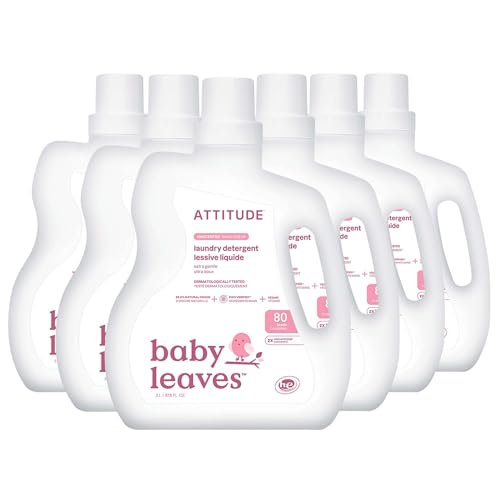
EWG VERIFIED & CLEAN INGREDIENTS: This baby laundry detergent is EWG Verified and made with clean ingredients that meet the Environmental Working Group’s strict health and safety standards, making it ideal for washing baby clothes.


EWG VERIFIED: This laundry detergent liquid is EWG VERIFIED, ensuring it's made with clean ingredients according to the Environmental Working Group's standards. It's free from bleach, SLS, SLES, colorants, alcohol, or formaldehyde.
5 Tips for Removing Stains

Stains on sheets can be effectively treated with timely action and the right methods. Pre-treat stains promptly before washing. Combine baking soda and vinegar for initial stain lifting. For brighter results, use lemon juice with sunlight exposure for effective removal. For stubborn darker stains, create a paste of hydrogen peroxide and baking soda; apply it and let it sit for 30 minutes before rinsing. Soak stained areas in cold water, then sprinkle salt on the affected spot to lift the stain. For ink stains, mix cornstarch with milk, apply it to the mark, and allow it to dry before laundering. Many anti-allergy duvet covers are easy to maintain, as they are machine washable and dry quickly, making it simple to keep them clean along with your sheets. Always follow these steps to guarantee a successful wash and maintain clean bedding.
Recommended Products

CITRUS GEL SPOTTER 5817: A heavy-duty emergency multi-surface stain remover that quickly treats and dissolves grease, dirt, pet stains, and more from hard and soft surfaces. Vanquish deeply-penetrated spots, spills, and stains that a simple carpet cleaner cannot lift. This potent thick gel formulation softens and removes even the most stubborn messes quickly!

NATURAL NON-TOXIC FORMULA - Plant-derived mite treatment ingredients designed for use in homes, cars, farms, chicken coops, pens, cages and agriculture, when used as directed.

Remember to Clean Your Mattress, Too!

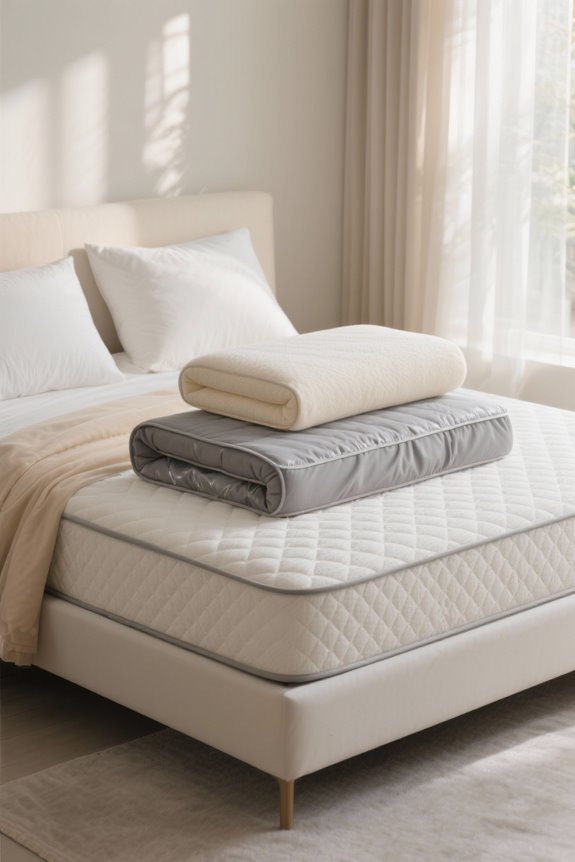
Cleaning the mattress is just as important as maintaining clean sheets. Regular vacuuming removes dust, crumbs, and allergens, promoting better hygiene and comfort. Every few months, rotate your mattress to distribute wear evenly, extending its lifespan. Additionally, use an organic waterproof mattress protector to shield against stains and allergens. To neutralize odors, sprinkle baking soda on the mattress and let it sit for several hours before vacuuming. Whenever possible, air out your mattress outdoors to eliminate moisture and prevent mold growth. Maintaining a clean mattress environment guarantees a more restful sleep. Remember, a clean mattress contributes considerably to overall comfort and health, reducing exposure to allergens and enhancing sleep quality. To further enhance your mattress care, consider using hypoallergenic materials in your bedding choices to reduce allergens and improve sleep quality.
Recommended Products

OH SO COZY & FAMILY / PET FRIENDLY - Snuggle up on this carded traceable washable wool mattress protector in soft 200 thread count organic cotton cover...in a luxurious champagne color! The wool fibers offer durable and natural, superior temperature control, humidity reduction and high breathability, up to 70% reduction in body heat retention for deeper restorative sleep. Protects your mattress, prolongs its life and promotes good sleep hygiene.

Icetech fabric instantly cools for a comfortable sleep

100% CERTIFIED ORGANIC COTTON - Made with premium, long-staple organic cotton inside and out. Free from toxins and harsh chemicals, this breathable mattress protector offers soft, padded comfort and clean peace of mind
Frequently Asked Questions
What Cycle to Wash Sheets and Pillowcases?
In the enchanting dance of laundry tips, sheets and pillowcases flourish in a gentle cycle, embracing ideal washing techniques. Selecting eco-friendly detergent types enhances fabric care, while mindful dryer settings guarantee bedding freshness and effective stain removal.
How Often Should I Wash Bed Sheets and Duvet?
He recommended washing bed sheets weekly and duvet covers every 2-3 weeks, emphasizing fabric care recommendations, bedding hygiene advice, eco-friendly detergents, and drying methods to maintain cleanliness and organization in bedding practices effectively.
What Cycle Should I Wash My Duvet On?
For ideal duvet cleaning, using a gentle cycle with cold or warm water is advisable. Adhering to duvet care instructions, considering fabric types, and utilizing proper drying methods enhances maintenance and prolongs lifespan while ensuring effective stain removal.
What Is the Best Cycle to Wash Bedsheets?
The best cycle for washing bedsheets involves warm water, regular cycle settings, and gentle detergent choices. This approach guarantees effective stain removal, allergen reduction, and fabric care while maintaining bed hygiene without damaging the fabric.