
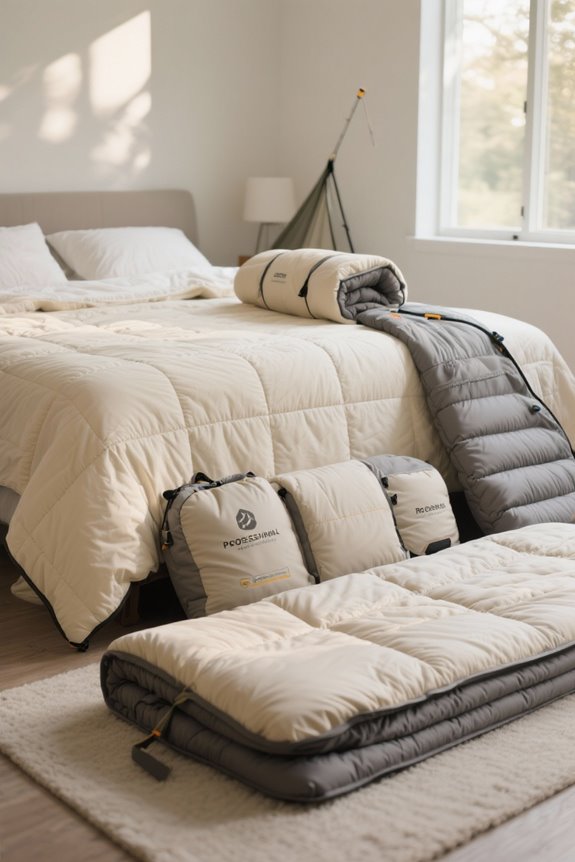

Camping sleep systems consist of insulation measured by R-value, quilts or sleeping bags, and pads for comfort. For winter, choose pads with an R-value above 4.0. Select a quilt for its lightweight benefits, but guarantee you have a sleeping pad for warmth. Sleeping bags provide superior insulation in cold conditions. Assess personal preferences and sleeping styles when making your choice. To optimize your camping experience, consider each component of your sleep system for maximum effectiveness.
Key Takeaways
- Choose sleeping pads with an R-value above 4.0 for winter camping and between 1.0 – 2.5 for summer trips.
- Quilts are lightweight and compressible, ideal for ultralight backpacking, but require a sleeping pad for effective warmth.
- Sleeping bags offer superior insulation and minimize heat loss, making them better for extreme cold and windy conditions.
- Personal sleeping style influences choice; side sleepers may prefer quilts, while those favoring snugness may opt for sleeping bags.
- Evaluate temperature ratings of sleeping gear to ensure compatibility with expected weather conditions for effective trip planning.
Understanding R-Value and Its Importance
Understanding R-value is vital when selecting a camping sleep system. R-value measures the thermal resistance of insulation materials in sleeping pads. For backpacking in winter, choose sleeping pads with an R-value above 4.0 for ideal heat retention. For summer trips, look for R-values ranging from 1.0 to 2.5, as they provide minimal insulation; while shoulder seasons typically require R-values between 2.5 and 4.0. Multi-pad systems can enhance insulation by combining different R-values, leading to comfortable, warm nights even on cold ground. A lower R-value results in quicker heat loss, therefore reducing overall comfort during outdoor adventures. Selecting the right R-value is essential for effective insulation and enjoying your camping experience. Many double sleeping pads, like the FNARMW Double Sleeping Pad, offer a combination of comfort and durability, making them a versatile option for various camping conditions.
Comparing Quilts and Sleeping Bags
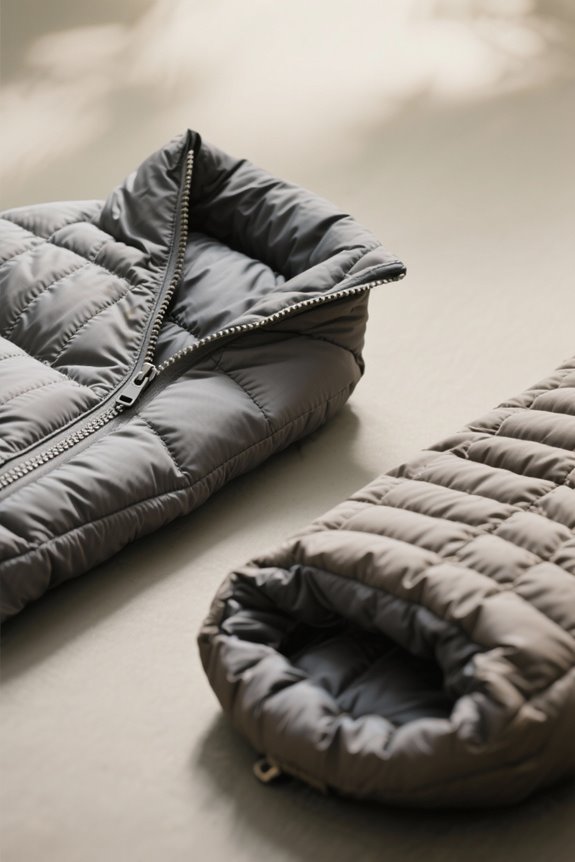
When comparing quilts and sleeping bags, it is essential to recognize their distinct features and benefits. Quilts usually weigh less and compress smaller than traditional sleeping bags, making them popular for backpacking. However, sleeping bags provide superior insulation and seal air effectively, essential for extremely cold conditions. Note that quilts require a sleeping pad to achieve ideal R-value and warmth. Unlike bags, they may encounter drafts, which require proper adjustments. Personal comfort preferences heavily influence choices; those who feel hot or desire flexibility may prefer quilts. Conversely, many select sleeping bags for psychological comfort and convenience. Consider these factors in your decision-making process. Evaluate insulation, warmth-to-weight ratio, and how each option aligns with your outdoor activities. Additionally, some quilts use energy-efficient materials similar to those found in cordless blackout shades, potentially reducing thermal transfer and enhancing warmth retention.
Benefits of Using a Quilt
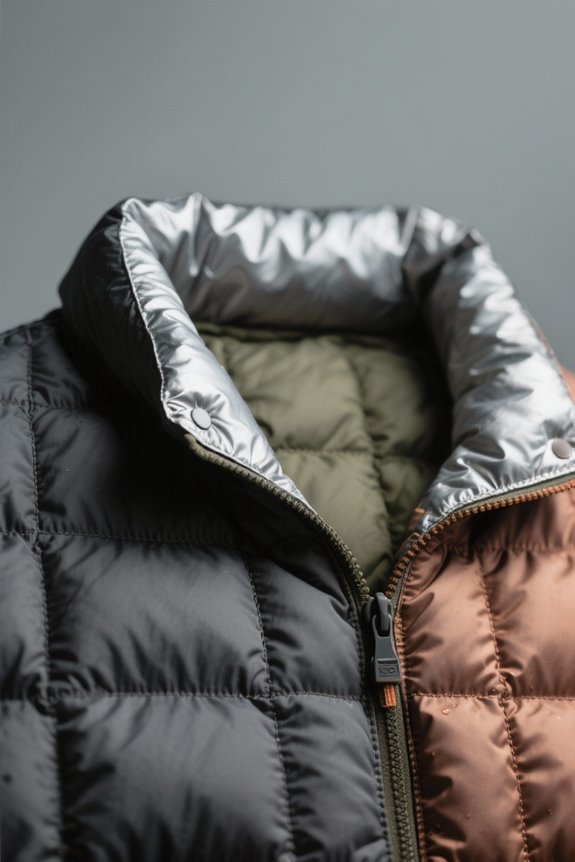
Quilts offer several benefits that make them an appealing choice for outdoor enthusiasts. They are generally lightweight and compressible, which helps backpackers minimize pack weight. Temperature regulation is notable; users can open quilts for ventilation in warm weather or secure them for warmth during colder nights. Many quilts include adjustable features, such as draft collars and attachment systems, which reduce heat loss and improve overall comfort while sleeping. Their minimalist design promotes freedom of movement, accommodating various sleeping positions. Quilts are also versatile, functioning as blankets in non-camping settings. Whether for car camping or backyard gatherings, these attributes contribute to the numerous benefits of using a quilt. Consider portable designs with foldable structures when choosing your camping sleep system.
Drawbacks of Quilts Compared to Sleeping Bags

While quilts offer many advantages, they also come with several drawbacks when compared to sleeping bags. Quilts provide less insulation, making them unsuitable for temperatures below freezing. Users may experience cold air exposure if not properly secured to sleeping pads. This can greatly decrease warmth in chilly conditions. Setting up a quilt requires additional steps, such as using cord or webbing, which sleeping bags do not need. The learning curve for using quilts can be challenging, especially for beginners. It is vital to regulate temperature and guarantee proper coverage throughout the night. Additionally, unlike sleeping bags, quilts may shift during restless sleep, leading to heat loss and disturbed nights. Consider these factors before choosing your sleep system. For those concerned about allergies, selecting sleep systems with hypoallergenic materials can enhance comfort and reduce exposure to allergens.
Benefits of Sleeping Bags

Sleeping bags offer several advantages that make them a strong choice for camping. Their fully enclosed design provides complete insulation, making them perfect for cold conditions. This structure prevents heat loss through drafts, enhancing warm retention. Additionally, sleeping bags cater to various sleeping styles, available in shapes like mummy, semirectangular, and rectangular. While they are generally bulkier and heavier than quilts, their overall warmth retention is essential for extreme cold environments. Features such as hoods and draft collars increase comfort, offering psychological comfort by creating a swaddled feeling. For those new to camping, sleeping bags allow for easy and hassle-free setup, reducing intimidation and increasing usability during outdoor adventures. Ultralight down sleeping bags, with 600 fill power insulation, ensure a balance of weight and warmth, making them ideal for backpackers seeking portability without compromising comfort.
Drawbacks of Sleeping Bags Compared to Quilts
When evaluating sleep systems for camping, it is essential to contemplate the drawbacks of sleeping bags compared to quilts. Sleeping bags are often bulkier and heavier, which can increase overall pack weight during lightweight backpacking trips. Their enclosed design restricts movement, making it difficult for users to change positions while sleeping comfortably. Additionally, the multiple layers of fabric in sleeping bags can hinder packability compared to the minimalist design of quilts. While sleeping bags offer superior insulation in extreme cold, they come with added weight and bulk that may limit their transport ease. Quilts, on the other hand, provide better temperature regulation and versatility, transforming easily into blankets when desired. These factors are significant when making a choice. Furthermore, sleeping bags may not offer the breathable design that many modern quilts incorporate, which helps regulate temperature and provides a more comfortable sleeping environment.
The Role of Sleeping Pads in Your Sleep System
A significant component of any camping sleep system is the sleeping pad. Sleeping pads provide essential insulation from the cold ground. This insulation is measured by R-value, making it necessary for different conditions. For summer outings, choose pads with an R-value of 1.0 to 2.5. For winter camping, select pads with an R-value above 4.0 to prevent heat loss on cold nights. Options include closed-cell foam pads, which are lightweight but bulky, and air pads, which are packable but may puncture. Self-inflating pads serve as a comfortable middle ground. Backpackers can enhance warmth by combining multiple sleeping pads with varying R-values. Prioritize comfort and insulation for a restful night’s sleep during your adventures. When choosing a sleeping bag, consider features like draft tubes and spacious footboxes which enhance warmth and comfort.
Choosing the Right Sleep System for Your Needs
Selecting the right sleep system is crucial for a comfortable outdoor experience. When choosing between sleeping quilts and sleeping bags, consider temperature ratings and insulation quality. For summer backpacking trips, a quilt with an R-value of 1.0 – 2.5 provides adequate warmth. If winter camping or facing temperatures below freezing, opt for a sleeping bag or quilt with an R-value of 4.0+. Quilts offer great flexibility for ultralight backpacking but require a compatible sleeping pad for ideal comfort and warmth. Always check the pad’s R-value to guarantee sufficient insulation. Remember to assess footbox designs, such as sewn versus zippered, as they can impact performance based on your sleeping style and environmental conditions. When selecting pillows for camping, consider adjustable loft and firmness to ensure proper support and alignment, which is essential for a restful sleep.
Personal Preferences and Recommendations
How do personal preferences influence the choice of camping sleep systems? Individual sleeping styles play a significant role. Side sleepers often prefer sleeping quilts for their versatility, while those seeking structure may choose sleeping bags for the swaddled feel. Weather conditions also affect this choice; sleeping bags generally offer better insulation in extreme cold and windy environments. For backpackers, weight and packability are essential, making the lightweight backpacking quilt a favorable option. Additionally, cost considerations impact decisions. Quilts tend to be more budget-friendly due to their simpler designs. Comfort levels are subjective; some users find quilts spacious and cozy, while others prefer the snug fit of sleeping bags, believing they provide better warmth and psychological assurance in colder settings. Many sleeping bags are designed with temperature ratings that cater to various environmental needs, providing an extra layer of consideration for campers planning their adventures.
Frequently Asked Questions
Are Camping Quilts Better Than Sleeping Bags?
Camping quilts may be better for some due to their weight advantages, packability, versatility, and customizable temperature ratings. However, sleeping bags might excel in insulation and draft protection, making user preferences essential in decision-making.
What R-Value Do I Need for a Sleeping Pad?
In the chill of a winter night, the right sleeping pad insulation whispers warmth. For summer camping pads, an R-value of 1.0-2.5 suffices, while winter sleeping systems require values over 4.0 for ideal comfort levels and efficiency.
Do Sleeping Bags Keep You Warmer Than Blankets?
Sleeping bags generally provide superior warmth compared to blankets due to their efficiency, temperature ratings, and insulated layers. Factors like fabric materials, moisture management, compressibility, weight considerations, and gear maintenance also enhance their effectiveness in cold conditions.
Can You Stack Sleeping Pads to Increase R-Value?
Yes, stacking sleeping pads can enhance insulation performance and temperature regulation effects, taking into account pad material types and durability concerns, while considering portability, weight distribution advantages, and comfort level comparisons for ideal outdoor experiences.


