Earplugs are made from materials like foam, silicone, wax, and custom molds. Foam provides expansion for comfort. Silicone offers durability and reuse. Noise Reduction Ratings (NRR) measure effectiveness, ranging between 25 and 33 dB for foam. Calculate effective noise reduction using the formula: (NRR – 7) / 2. Adjust fit by testing snugness and comfort. Maintain earplugs with regular cleaning or replacement. For further information, explore different types and techniques to guarantee peak noise protection.
Key Takeaways
- Earplugs are made from various materials, including foam, silicone, wax, and custom-molded options, each offering unique benefits.
- Noise Reduction Ratings (NRR) indicate earplugs’ effectiveness in reducing noise, ranging typically from 25 to 33 dB.
- Calculate effective noise reduction using the formula: (NRR – 7) / 2, which gives a more realistic noise reduction estimate.
- Achieving the right fit is crucial; foam earplugs should be compressed before insertion, while silicone can be molded to ear shape.
- Maintenance is vital; dispose of single-use earplugs after one use and regularly clean and inspect reusable options to ensure hygiene and performance.
What Are Earplugs Made Of?
Earplugs serve an essential function in reducing noise exposure. They are made from various materials, each tailored to specific needs. Foam earplugs are popular for their convenience. They expand to fill the ear canal, ensuring a snug fit for effective noise blocking. Often, they are single-use for hygiene reasons. Silicone earplugs offer a durable, reusable alternative. They are waterproof, making them suitable for swimming or prolonged use in noisy environments. For those seeking a more personalized option, custom-molded earplugs are created from ear impressions. This design provides a superior fit, enhancing both comfort and noise reduction. Additionally, wax earplugs mold to the ear canal’s shape, offering a comfortable seal that greatly reduces sound exposure. For those looking for additional features, multi-functional sleep masks combining ear protection and eye coverage are available, providing an all-in-one solution for better sleep.
Recommended Products

SUPERIOR TECHNOLOGY: Several years of research and development; Custom hearing protection and amplification

Metal Detectable: Metal bearing embedded in ear plugs allows them to be sensed by a metal detector; Suitable for extended wear with other safety gear
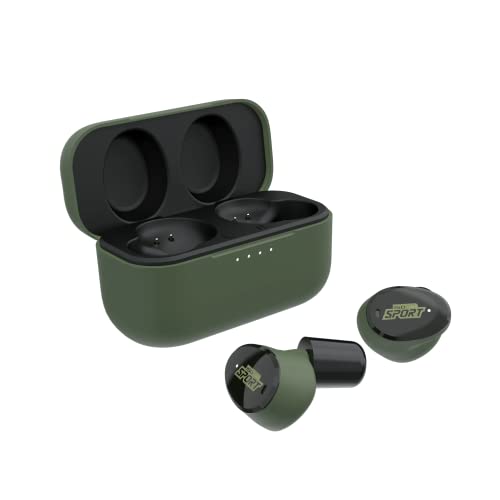
Experience the next generation of shooting ear protection with CALIBER BT Bluetooth hearing protection for shooters. These small, lightweight shooting ear buds merge hearing protection with Bluetooth and electronic ear protection to keep you safe, alert, and connected while at the range. Perform at your peak with less noise and no limits.
Understanding Noise Reduction Ratings (NRR)

Understanding the Noise Reduction Rating (NRR) is vital for effective earplug use. NRR measures how well earplugs reduce noise, expressed in decibels (dB). Typically, foam earplugs provide an NRR between 25 and 33. Higher NRR values indicate greater noise reduction, important for selecting earplugs appropriate for specific environments. However, actual noise reduction may vary due to factors like insertion technique, ear canal shape, and surrounding conditions. To estimate effective noise reduction in practical situations, subtract seven from the NRR and then divide by two. For example, an earplug with an NRR of 30 could offer about 11.5 dB of effective reduction. Understanding these ratings helps guarantee peak noise control for personal comfort and safety. Hypoallergenic materials are commonly used in earplugs, ensuring a safer option for sensitive users, which contributes to both comfort and effective noise reduction.
Recommended Products

Metal-detactable for use in food processing

Sound Blocking: Enjoy superior noise reduction instantly with bulk ear plugs; Ideal for loud work environments, concert venues, shooting practice, quieter sleep, and much more.

Smooth, dirt resistant surface provides better hygiene
How to Calculate Effective Noise Reduction

Calculating effective noise reduction is vital for anyone using hearing protection. To determine this, users should apply the formula: Effective Noise Reduction = (NRR – 7) / 2. For instance, an earplug with a Noise Reduction Rating (NRR) of 30 would offer an effective reduction of approximately 11.5 dB in real-world conditions. It is important to recognize that the actual noise reduction can differ based on the proper fit of the earplugs. Regularly monitoring and adjusting the fit guarantees maximum protection, allowing for more effective hearing in loud environments. Understanding this calculated effective noise reduction helps users grasp how much noise exposure they will be shielded from, enhancing their safety and comfort. For those looking to improve sleep quality at night, considering anti-snore mouth guards can be beneficial, as they are designed to enhance comfort and reduce disruptions.
Recommended Products

SUPREME EAR PROTECTION: Supreme Pro Electronic Earmuffs offer high-performance ear protection with electronic circuits that compress sound, smoothly dropping damaging frequencies in microseconds. The robust, yet intricate electronics allow conversations to occur - even when others are shooting.

Rechargeable electronic earplugs help reduce loud noise while amplifying low level sounds
Sound Blocking: Enjoy superior noise reduction instantly with bulk ear plugs; Ideal for loud work environments, concert venues, shooting practice, quieter sleep, and much more.
Choosing the Right Fit for Your Earplugs
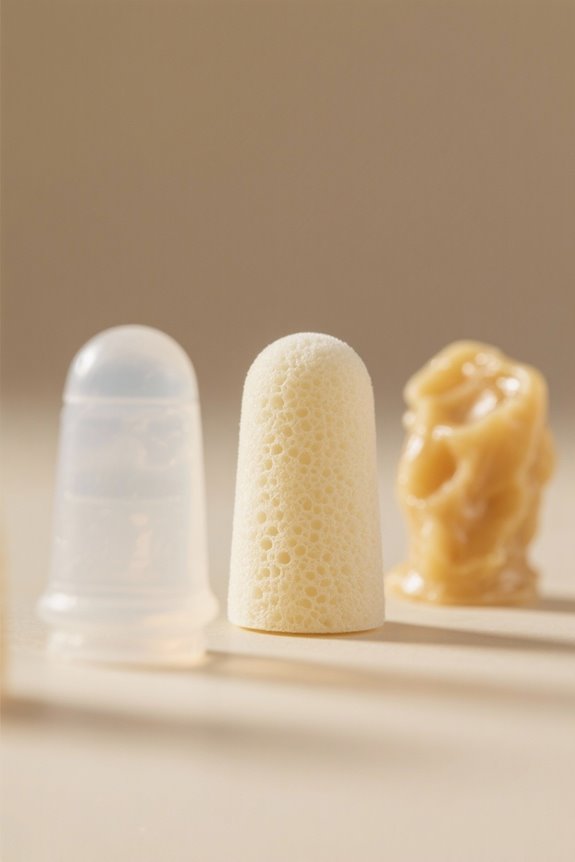
To achieve ideal noise protection, selecting the right fit for earplugs is essential. Improperly sized earplugs can lead to discomfort or inadequate noise reduction, risking hearing damage. For foam earplugs, roll them tightly before insertion. Allow them to expand within the ear canal for a snug fit that maximizes their Noise Reduction Rating (NRR). Silicone earplugs offer comfort during extended wear; they can be molded to the ear for a personalized fit. Custom-molded earplugs provide the best fit, designed specifically for an individual’s ear canal shape. Always test earplugs for fit and comfort before continued use, as various materials and shapes may distinctly suit individual ear configurations and preferences. Choose wisely for effective noise protection. When selecting earplugs, consider ergonomic shape and material quality to ensure both comfort and efficiency in noise reduction, as these factors are crucial for maintaining hearing health.
Recommended Products

THE ORIGINAL AND #1 SELLING - USA’s original and #1 selling moldable silicone ear plugs. Provides safe, non-toxic, non-allergenic waterproof protection and protects hearing from loud noises.

THE ORIGINAL AND #1 SELLING - USA’s original and #1 selling moldable silicone ear plugs. Provides safe, non-toxic, non-allergenic waterproof protection and protects hearing from loud noises.
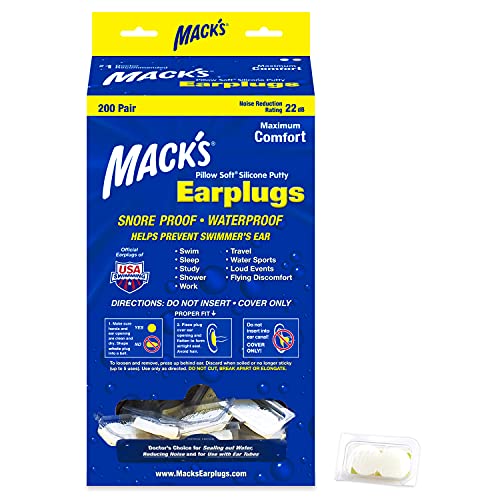
THE ORIGINAL AND #1 SELLING - USA’s original and #1 selling moldable silicone ear plugs. Provides safe, non-toxic, non-allergenic waterproof protection and protects hearing from loud noises.
Tips for Proper Maintenance and Care of Earplugs

Proper maintenance and care of earplugs are essential for hygiene and their overall lifespan. Disposable earplugs should be replaced after each use for ideal cleanliness. For reusable silicone earplugs, clean them regularly with mild soap and water. Confirm proper insertion each time to maintain their noise reduction rating. Inspect reusable earplugs frequently for signs of wear and tear, replacing them if damaged. Store earplugs in a clean, dry case when not in use to prevent contamination. For custom-molded earplugs, check the fit periodically to confirm they still provide an effective seal against noise. Avoid harsh chemicals and abrasive materials during cleaning, as they can degrade the earplugs and diminish their effectiveness. Consider using cooling gel memory foam in earplug designs for enhanced comfort during extended use.
Recommended Products


DESIGNED FOR FOCUS, TRAVEL & WORK - ZovGemy reusable earplugs help reduce distracting noise in busy environments, making them ideal for work, study, flights, train rides, hotel stays, commuting, and daytime rest when you need a calmer space.

DESIGNED FOR FOCUS, TRAVEL & WORK - ZovGemy reusable earplugs help reduce distracting noise in busy environments, making them ideal for work, study, flights, train rides, hotel stays, commuting, and daytime rest when you need a calmer space.
Frequently Asked Questions
What Is a Good NRR for Earplugs?
A good NRR for earplugs, reminiscent of a knight donning armor, typically ranges from 20 to 30 dB. This guarantees ideal noise reduction features while considering earplug comfort across diverse usage scenarios for effective protection.
How Do I Choose the Right NRR for My Needs?
Choosing the right NRR involves evaluating comfort fit techniques, considering individual noise sensitivity levels, and following activity-specific recommendations. Higher NRR suits louder environments, while lower NRR is adequate for moderate noise exposure and casual use.
Is a Higher or Lower NRR Better?
A higher NRR offers greater protection but may yield lower comfort. Individuals must find an ideal balance, choosing earplugs that sufficiently reduce noise without sacrificing comfort, ensuring effective protection without compromising usability in various environments.
What Do Navy Seals Use for Ear Protection?
Navy SEALs rely on specialized ear protection, seamlessly integrated into their tactical gear, much like a silent sentinel guarding against chaos. These advanced earplugs guarantee effective communication while shielding warriors from the tumult of combat’s deafening sounds.