
Room temperature, humidity, and airflow greatly affect sleep quality. Maintain the bedroom temperature between 15°C and 18°C. Keep indoor humidity levels between 40% and 60% for comfort. Use fans or open windows to enhance airflow and improve air quality. Poor airflow can lead to stale air and higher CO2 levels, disturbing sleep. Regular ventilation is essential. Adjust these factors continually to create a restful environment. For deeper insights, explore practical tips for optimizing your sleep conditions.
Key Takeaways
- Maintaining a room temperature between 15°C and 18°C promotes comfort and enhances sleep quality.
- Ideal humidity levels of 40% to 60% prevent respiratory discomfort and skin irritation during sleep.
- High humidity can lead to allergic reactions, while low humidity causes dryness, both disrupting sleep.
- Proper airflow through ventilation mitigates CO2 buildup, aiding in restful and uninterrupted sleep.
- Regularly monitoring and adjusting temperature, humidity, and airflow creates an optimal sleep environment for overall well-being.
The Importance of Sleep Quality
Quality sleep is essential for overall health. It allows for the restoration of the body and mind, making it vital to achieve high sleep quality. Maintain indoor air quality by ensuring appropriate temperature and humidity levels. Aim for a perfect humidity level of 40% to 60% to reduce sleep disruptions. High humidity can cause discomfort, while low humidity may lead to dry skin and respiratory issues. Monitor temperature, as it also affects comfort and sleep quality. Poor air quality can further disturb rest, leading to fatigue and health problems. Consider using quiet air purifiers designed for bedrooms to improve air quality without disrupting sleep patterns. Prioritize ideal conditions in the bedroom for a better night’s sleep. In turn, this will help alleviate fatigue and replenish energy and overall well-being.
Understanding Indoor Environmental Quality (IEQ)

Indoor Environmental Quality (IEQ) plays an essential role in promoting healthy sleep and overall well-being. Focus on critical factors such as temperature, humidity, air quality, and ventilation. Maintain a sleeping temperature between 15°C and 18°C (59°F to 65°F) for ideal comfort. Monitor humidity levels to prevent indoor pollutants, which can disrupt sleep quality. Guarantee proper ventilation to reduce poor air circulation and keep carbon dioxide levels below 800 ppm. Excessive indoor pollutants, dust, and allergens can lead to restlessness and health problems. Keep noise levels under 30 dB in bedrooms, as recommended by WHO. Regularly assess these indoor environmental parameters to enhance sleep quality and mitigate health risks associated with poor IEQ conditions. Consider using zippered pillow protectors to block dust mites and allergens, further contributing to a healthier sleep environment.
The Role of Air Quality in Sleep

Air quality greatly impacts sleep efficiency and overall restfulness. Poor indoor air, filled with allergens and pollutants, can decrease sleep quality. To maintain ideal sleep, guarantee CO2 levels stay below 1,000 ppm. Regularly ventilate your space to combat poor ventilation and prevent nighttime awakenings. Utilize an air purifier to reduce dust and pet dander, both of which disrupt sleep. Be mindful of high humidity, as it can also hinder restful sleep. Aim to keep indoor air clean and fresh by cleaning surfaces weekly and replacing air filters monthly. Consider using an anti-snore mouth guard to improve sleep quality by reducing snoring and minimizing disruptions. Follow these steps to enhance your sleeping environment. By improving air quality, you can markedly boost sleep efficiency and enjoy a deeper, more restorative rest each night.
Recommended Products

The OS12500 is the most powerful portable ozone generator and is perfect for deodorizing and eliminating odors in extra- large spaces such as locker rooms, banquet halls, hotel suits, apartments, offices, restaurants, and commercial properties. It will eliminate even the most severe odors caused by tobacco, smoke, pets, water and flood damage and more

4D Roller & Shoulder Detection - Upgrade UI touch screen massage chair with adaptive 4 level 4D mechanism for personalized experience. Automatically customizes your massage experience by scanning your shoulder position, delivering whole, partial and fixed-point massage

Advanced HyperHEPA Filtration: Designed to remove and trap 99.995% of all airborne particles down to 0.003 microns, the Atem X supplies unequaled protection against dust, pollen, pet dander, smoke from wildfires, and more. True HEPA filtration
How Humidity Affects Sleep

Humidity greatly impacts sleep quality. To achieve comfortable sleep, indoor humidity should be maintained between 40% and 60%. High humidity makes the air feel warmer and can cause allergic reactions. Symptoms like nasal irritation disrupt restful sleep. Conversely, low humidity leads to dry skin and respiratory discomfort, increasing sleep interruptions. Research shows that a 1% increase in relative humidity corresponds to a 0.1% decrease in sleep quality. This highlights how humidity affects sleep and emphasizes the need for ideal humidity levels. Maintaining these levels also aids thermoregulation, promoting deeper and more restorative sleep cycles. Regularly check humidity levels using a hygrometer, and adjust as necessary with dehumidifiers or humidifiers for a better sleep environment. Using distilled water extends the life of humidifier filters, which is crucial to maintaining optimal humidity levels and improving air quality.
The Best Temperature for Restful Sleep

Maintaining an appropriate sleeping temperature is essential for achieving restful sleep. The ideal bedroom temperature is approximately 18°C (65°F). This helps the body’s thermoregulation processes and improves sleep quality. Cooler environments promote melatonin production, which regulates sleep cycles. Aim for a consistent temperature close to 63.5°F (17°C) for best results. Temperatures exceeding this range can cause discomfort and disrupt rest. Even a 1°C increase can greatly impair sleep quality. Additionally, combine this with humidity levels between 40% and 60% for maximum comfort. Avoid excessive heat, as it can worsen humidity effects on sleep quality. Prioritizing these conditions can enhance air circulation and create a conducive environment for peaceful, uninterrupted sleep. Consider using blackout roller shades to further enhance privacy and thermal insulation, contributing to a comfortable sleep environment.
Recommended Products

Cooper&Hunter Series 9,000 BTU Ceiling Cassette Ductless Mini Split AC/Heating System with Heat Pump Wall Thermostat and 16FT Installation Kit

【 179 Bottles Large Capacity 】The 24'' wine chiller has an extraordinarily large storage space that can hold up to 179 different size bottles of your favorite wine. Keep your wine collection perfectly organized and properly alive

Large Capacity Dual-Zone Wine Cooler: Our wine refrigerator features 14 wooden shelves, holding up to 154 standard Bordeaux (750ml) bottles, with a spacious bottom rack for champagne. Dual zones offer 40°F-55°F (upper) and 55°F-65°F (lower) for ideal wine storage. Dimensions: 23.54"W x 27.16"D x 62.99"H.
The Interplay of Airflow and Humidity
How does airflow influence overall sleep quality? Adequate airflow is essential for maintaining ideal humidity levels in indoor air. The best indoor humidity for sleep is between 40% and 60%. Low humidity causes skin dryness and nasal irritation, while high humidity risks mold growth and respiratory problems. Effective air circulation distributes humidity evenly, reducing stagnant air. This helps prevent excessive heat and moisture buildup, which can disrupt sleep stages. A 1% rise in humidity correlates to a 0.1% decrease in sleep quality, highlighting the importance of balance. To promote better sleep, guarantee proper ventilation. Maintaining effective airflow with devices like oscillating fans can enhance comfort and support respiratory function during sleep. Monitor humidity levels and maintain effective airflow to enhance comfort and support respiratory function during sleep.
Recommended Products

High-density XeL50 media provides 80% more evaporation surface compared to normal density media

Experience Superior Cooling: Embrace the evaporative air cooler capabilities of the Hessaire 5,300 CFM! This portable swamp cooler combats heat and dryness while extending air coverage through its unique 3-panel intake system.

Designed to use water evaporation to cool hot, stale air and circulate fresh, refreshing air in areas up to 950 square feet at a rate of 3,100 square feet per minute
Long-Term Benefits of Managing Airflow and Humidity
Effective management of airflow and humidity can lead to lasting benefits for sleep quality and overall health. Maintaining an indoor humidity level between 40% and 60% supports respiratory health, reduces allergens, and prevents mold growth. Balanced airflow enhances indoor air quality, allowing pollutants to dissipate and improving high-quality sleep. Focus on creating a comfortable temperature for sleep to minimize disruptions. Over time, proper airflow and humidity management can help reduce energy consumption, making homes more efficient. This practice protects structural integrity by preventing moisture damage, ensuring long-term family health. By consistently monitoring and adjusting these elements, individuals can foster a restful environment that promotes peak sleep and well-being for years to come. Introducing quiet dehumidifiers into the bedroom can minimize sleep disturbances by operating at low noise levels, thereby contributing to improved rest quality.
Practical Tips for Improving Bedroom Conditions
Creating an ideal sleep environment begins with addressing bedroom conditions. First, maintain indoor humidity levels between 40% and 60%. Use a hygrometer to monitor this effectively. If humidity is too high, utilize exhaust fans after cooking or showering. To improve airflow, consider using fans or opening windows. This will enhance air quality and circulate humidity. Regularly check HVAC systems for peak performance. Incorporate indoor plants or bowls of water to increase humidity naturally in dry conditions. If humidity remains excessive, consider using dehumidifiers or salt bowls. Make sure that the bedroom temperature is comfortable, generally between 60°F and 67°F. Large humidifiers with smart technology can also help maintain optimal humidity levels, ensuring a healthier indoor environment. Improving these factors will foster a more conducive environment for restful sleep and overall well-being.
Recommended Products
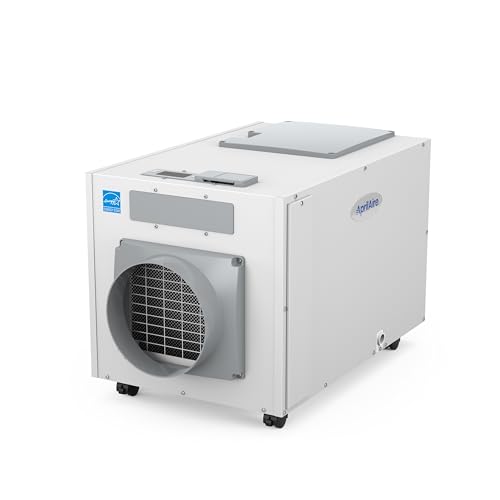
PROTECT YOUR HOUSE - Reduces & controls basement & whole home humidity to help prevent damp carpeting and furnishings, mold, mildew, and odors, and mold, termites, structural wood rot, and odors in a sealed crawl space

700W/1300W DUAL-SPEED HEATING & DOUBLE-WALL SAFETY:This electric water vapor fireplace features a double-walled construction filled with high-temperature resistant insulation fiber cotton, ensuring the exterior (except the heating zone) stays safe to touch. Choose the energy-saving 700W for gentle warmth in mild weather, or the powerful 1300W to quickly heat small-to-medium spaces. Adjustable temperature settings enable efficient control, reducing power consumption while providing continuous comfort for household use.

(3D Water Vapor Fireplace, Realistic Flame & Dual Heating): This premium steam fireplace features dimmable lifelike flames and optional crackling fire effects. It is smokeless, ash-free and flameless, equipped with 650W/1300W dual heating modes. The fanless natural airflow delivers gentle warmth without drying out indoor air.
Creating Your Ideal Sleep Environment
An ideal sleep environment combines several key factors that promote restful nights. First, set the bedroom temperature around 18°C (65°F). This cooler temperature enhances melatonin production for peak sleep. Next, maintain indoor humidity levels between 40% and 60%. Too low humidity causes discomfort, while too high may foster mold growth. Additionally, guarantee proper airflow by using fans or keeping windows open. This promotes better air quality and comfort during sleep. Regularly monitor temperature and humidity to prevent disturbances. Aim for a balance, as a 1% rise in humidity can decrease sleep quality by 0.1%. Oil-filled radiators, known for their energy efficiency and quiet operation, can help maintain an optimal temperature without disturbing sleep. By addressing these aspects, individuals can create a conducive sleep environment that effectively supports restful, uninterrupted sleep.
Recommended Products

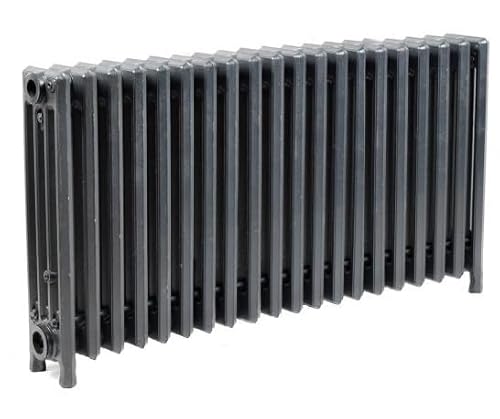

GX Patented Design :GX features an exclusive four-stage compression system paired with an integrated water-cooled compressor structure, powered by an genuine 350W high-performance motor. It is very stable when working, and it is very quiet with only 70db. At the same time, it is equipped with a double-pointer pressure gauge, and the two-level setting auto-stop pressure, which is more secure. This distinguishes it from others, which merely add water circulation devices to small shoebox-style compressors on market.
Frequently Asked Questions
Does Room Humidity Affect Sleep?
Could humidity levels greatly influence one’s ability to achieve restful sleep? Indeed, ideal humidity enhances breathing comfort, maintains skin hydration, and prevents nighttime sweating, while extremes may foster mold growth and compromise overall sleep quality.
How Does Room Temperature Affect Your Sleep?
Room temperature greatly influences sleep performance, as ideal temperatures enhance thermal comfort and regulate body temperature. Individual preferences may vary, but maintaining best conditions is essential for uninterrupted sleep cycles and overall sleep quality.
What Is the Best Room Temperature and Humidity for Sleeping?
The best sleeping conditions feature an ideal temperature around 63.5°F and humidity levels between 40% to 60%. Personal preferences may vary, but maintaining airflow is essential for enhancing comfort and overall sleep quality.
Is 70% Humidity Too High for a Bedroom?
Seventy percent humidity levels are too high for a bedroom environment, negatively impacting sleep quality and comfort zone. Increased humidity may cause nocturnal sweating, elevate health risks, and conflict with personal preferences for ideal rest conditions.