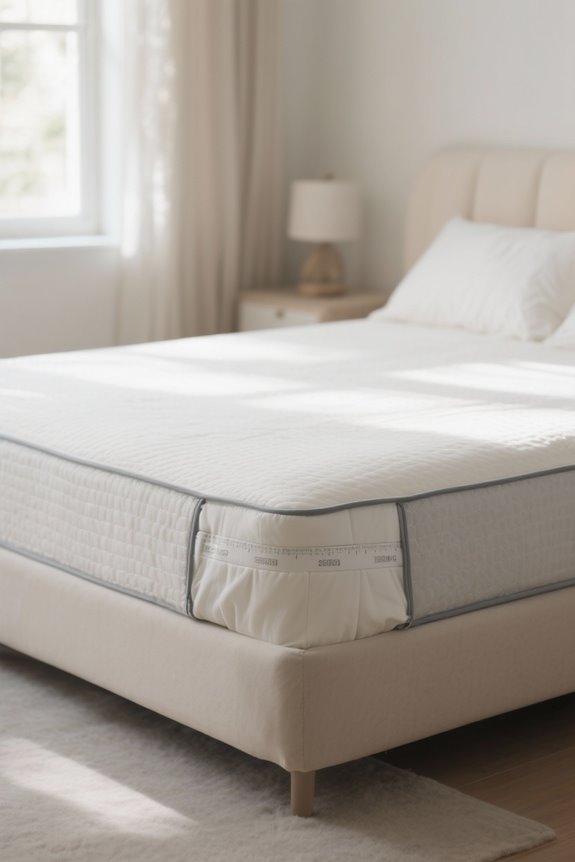

To guarantee a proper mattress protector fit, measure mattress thickness for depth selection. Choose protectors that extend at least one inch beyond the mattress height. Consider various elastic types, such as fitted-sheet styles for security or all-around elastic for stability. Evaluate encasing methods, with full encapsulation providing thorough protection. Prioritize breathable materials like cotton, and check for waterproof features. Understanding these elements will guide the selection of an appropriate mattress protector. More insights on this topic await.
Key Takeaways
- Ensure mattress protector depth exceeds mattress thickness by at least one inch for a secure fit and maximum protection.
- Choose fitted-sheet style protectors for snugness or skirted designs for full coverage on thicker mattresses.
- Opt for all-around elastic for enhanced stability and minimal shifting during sleep.
- Full encapsulation models provide comprehensive protection against allergens and pests, while partial coverage exposes mattress sides.
- Select breathable materials like cotton or bamboo combined with waterproof layers for comfort and moisture control.
Understanding Mattress Protector Depth
Understanding the depth of a mattress protector is vital for proper fit. The mattress protector depth should exceed the thickness of the mattress by at least an inch to guarantee a secure fit. Typical protectors accommodate mattresses up to 14 inches thick, but deeper pocket protectors are available for thicker models or those with additional toppers. It is important for users to measure the thickness of the mattress accurately using a ruler or a wood piece. A snug fit prevents liquids and pests from infiltrating, so elastic edges must conform tightly without gaps. High-quality protectors often feature deeper pockets and enhanced elasticity, promoting durability and functionality over time. Waterproof encasements can further enhance protection by creating an inhospitable environment for bed bugs. Choose wisely to safeguard your mattress investment effectively.
Types of Elastic Fits

A proper fit is essential for mattress protectors, and various elastic types guarantee this. Elastic fits include fitted-sheet style, which features elastic bands around the edges for a secure hold, preventing movement during sleep. Deep pocket designs accommodate thicker mattresses, allowing for extra comfort layers, like mattress toppers. Many mattress protectors now have all-around elastic for enhanced stability and coverage, providing a 360° grip that minimizes shifting. The elasticity of these protectors can vary; high-quality protectors often use spandex blends for better stretch and durability. Encased models, featuring zippers and elastic edges, offer thorough protection against bedbugs and allergens while ensuring a tight fit around the mattress. Select the best option based on your specific needs. For those who prioritize noise levels, choosing protectors designed to minimize crinkling sounds can enhance sleep quality by reducing disturbances.
Recommended Products
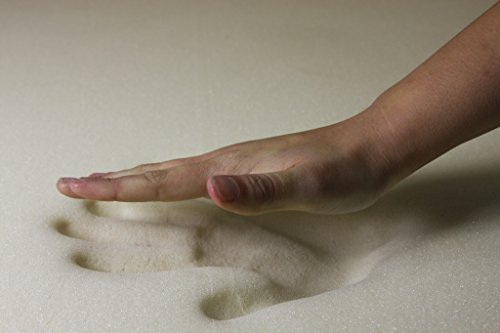
Includes 1/2 inch of Gel Memory Foam for cooling and 3 inches of 4 pound density memory foam which instantly makes sleeping more restful, comfortable, and supportive similar to zero gravity.

COMFORTABLE MEDICAL-GRADE SHEEPSKIN: High-quality Sofsheep sheepskin provides soft cushioning and even weight distribution for individuals spending extended time in bed.
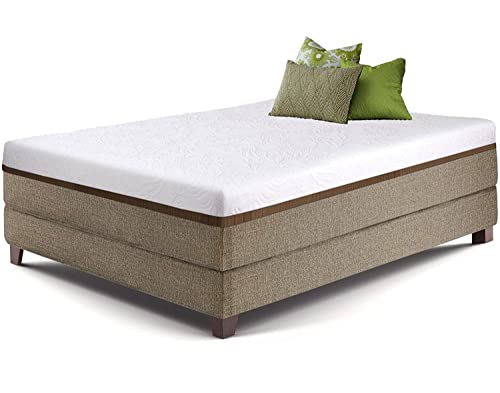
PERFECT CONTOUR. Queen size mattress cradles you in a deluxe cushion of 2.5” Premium Air-Flow MF over 1” of Gel-Infused Memory Foam plus 8.5” of High Density Polyurethane Base. Extra-thick profile brings luxury hotel touch
Fitted Sheet Style vs. Skirted Designs

Fitted sheet style and skirted design mattress protectors each offer unique advantages for mattress coverage. Fitted sheet models use elastic around the edges for a snug fit, similar to a traditional fitted sheet. This type guarantees convenience, as they are easy to remove and wash regularly. Skirted designs accommodate thicker mattresses or added toppers, providing a secure fit and 360-degree coverage. Proper depth measurement is vital; too shallow may leave the mattress exposed, while excess depth could lead to shifting during use. Although both mattress protectors fulfill a protective function, the ease of use and installation varies. Customers should weigh their preferences regarding convenience and secure fit when choosing between fitted sheet styles and skirted designs. It is important to ensure size compatibility when selecting a mattress protector, especially for deep pocket designs, to maintain a snug fit and prevent slippage.
Recommended Products

● Hybrid Design for Comfort -- Inofia King mattress combines the support of traditional innerspring coils with the comfort of gel memory foam, offering a supportive yet comfortable sleep experience.

ERGONOMIC KING TOPPER THAT STAYS IN PLACE- Dormeo’s RV King mattress topper conforms to your body’s natural contour for pressure-relieving, balanced support. Our Octaspring king mattress topper has an anti-slip bottom which keeps the topper in place.

SHEEX Original Performance Sheets - Transfers moisture away from your skin, helping to reduce sweating, keeping you dry and comfy as you sleep. Split King set includes 2 Twin/TwinXL fitted sheets, 1 king flat sheet, and 2 king pillowcases in Bright White.
Full Encapsulation vs. Partial Coverage

When choosing between full encapsulation and partial coverage mattress protectors, consider the level of protection needed. Full encapsulation protects the entire mattress, encompassing all sides against allergens, spills, and pests. This type often features a zipper closure for a snug fit, minimizing gaps. It is particularly beneficial for allergy sufferers, as it offers a barrier against dust mites and other irritants. In contrast, partial coverage guards only the top surface, typically resembling fitted sheets. While easier to apply and remove, this method leaves the sides and bottom exposed. Review both mattress encasement protectors for material differences. High-quality polyester materials ensure comfort and durability, making them a preferred choice for allergy mattress protectors. Ultimately, weigh extensive protection against ease of use to choose the ideal option for your mattress needs.
Recommended Products

Quilted to Soothe, Not Just to Cover – Crafted with a delicately padded, cloud‑soft surface, this protector elevates your mattress with a gentle layer of refined comfort. The quilting isn’t purely aesthetic—it adds a subtle plushness that quiets the body and calms the mind, inviting you into a deeper, more composed sleep.
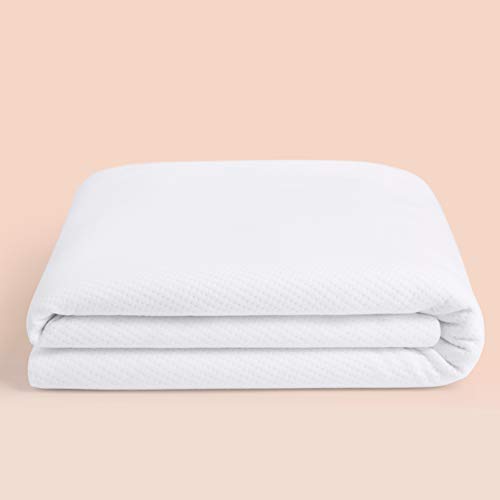
WATERPROOF DESIGN: Keeps your mattress dry and clean, even when life gets messy

Consciously Crafted: We're proud to offer a certified organic mattress protector waterproof design with a 180GSM pique top and 140GSM jersey bottom layer for balanced comfort and protection
Importance of Snug Fit

An adequately snug fit for a mattress protector is important for maximizing protection. A snug fit prevents liquid damage and allergens from penetrating the mattress. Verify that the pocket depth of the protector exceeds the thickness of your mattress by at least one inch. This will enhance durability and maintain thorough protection over time. High-quality protectors with elastic skirts fit securely across various mattress sizes, reducing shifting that can expose areas to spills and stains. An ill-fitting mattress protector may lead to increased wear and tear on both the protector and the mattress. As a result, select a product that offers a snug fit to safeguard against dirt, allergens, and other damaging elements effectively. It is also crucial to consider waterproof protection standards to ensure that the protector effectively defends against spills and allergens.
Considerations for Mattress Thickness
Selecting the right mattress protector involves careful consideration of mattress thickness. First, measure the height of your mattress, including any additional toppers. Standard mattress sizes may not fit well on thicker mattresses exceeding 12 inches. Look for mattress protector sizes that accommodate mattress thickness adequately. Confirm the protector’s depth measurement exceeds your mattress thickness by at least one inch for effective use. Examine the elastic skirts; they should provide a snug fit to prevent slippage. A waterproof protector is advisable to prevent damage from spills and allergens. Choosing the appropriate size and depth will help maintain your mattress’s integrity, guaranteeing it lasts longer. Always prioritize a tight protector fit for best protection against wear and exposure.
Recommended Products

The information below is per-pack only

Instant-Cooling Ver-Tex Fabric: Advanced Ver-Tex technology delivers an instant-cooling feel while enhancing airflow to help reduce heat buildup and keep hot sleepers comfortable throughout the night

Icetech fabric instantly cools for a comfortable sleep
Evaluating Material Quality and Breathability
Evaluating material quality is vital for choosing a mattress protector that enhances sleep comfort. Select mattress protectors made from breathable materials like cotton or bamboo to improve airflow and reduce heat buildup. These materials also aid in moisture mitigation and preventing bacteria growth, essential for a healthy sleep environment. Make certain the product includes waterproof layers for spill protection while maintaining comfort. Look for certifications, such as OEKO-TEX, that guarantee the absence of harmful chemicals in the fabric. Prioritize options that balance breathability and protective features. Regularly assess your mattress protector to confirm it meets comfort and safety standards. Bamboo mattress pads offer hypoallergenic properties, making them a great choice for individuals with sensitive skin or allergies. By focusing on these factors, you can considerably enhance your sleep experience and protect your investment.
Recommended Products

SOFT, STRETCHY + ADAPTIVE: A little bit of stretch maximizes mattress comfort, particularly when paired with Purple’s GelFlex Grid mattresses.
Water-Resistant: Able to resist the penetration of water to some degree, but not entirely. Provides a barrier against light moisture or brief contact with water. Suitable for mild protection — e.g., light spills or sweat. A water-resistant mattress protector may repel small splashes but could absorb water if left wet for long periods.

[PEACEFUL SLEEP] Our mattress protector so soft and cooling that it feels like a gentle breeze on your skin. It ensures you stay cool and comfortable throughout the night, so you can finally wake up refreshed
Frequently Asked Questions
What Is the Difference Between a Mattress Encasement and a Mattress Protector?
“A stitch in time saves nine.” A mattress encasement offers superior allergen protection, moisture barriers, and bedbug prevention, while mattress protectors prioritize ease of cleaning and comfort level, impacting lifespan, warranty coverage, and cost comparison.
Do Mattress Protectors Come in Different Depths?
Mattress protectors indeed come in various depths to accommodate different mattress dimensions. The appropriate depth guarantees bedding compatibility, enhances comfort level, and supports durability factors against spills and allergens, including options for waterproof protective layers.
Are Fitted or Zippered Better?
In a domain of sleep, fitted protectors offered ease, while zippered ones stood as fortresses. Consumer preferences swayed between maintenance ease and protection levels, balancing durability and price in a quest for ultimate safety and comfort.
Do Mattress Encasements Actually Work?
Mattress encasements demonstrate effectiveness in bed bug prevention and allergens protection, providing a moisture barrier. User reviews highlight durability factors, maintenance ease, and health benefits, while warranty implications emphasize their importance for mattress longevity and integrity.