
When choosing sheets, consider both thread count and weave type for comfort. Percale sheets have a crisp, breathable feel, ideal for hot sleepers, with suitable thread counts between 250 to 300. Sateen sheets offer a soft, silky finish, better for cooler environments, with thread counts ranging from 300 to 600. Focus on high-quality yarns, like long-staple cotton, for improved durability and softness. Understanding these factors will guide informed choices in selecting bedding that enhances sleep quality and comfort.
Key Takeaways
- Thread count primarily indicates thread density but doesn’t guarantee quality; focus on cotton quality for enhanced comfort.
- Percale offers breathability and crispness, ideal for hot sleepers, while sateen provides a soft, luxurious feel for cooler nights.
- Sateen sheets tend to be less prone to wrinkling, making them easier to care for compared to percale, which may wrinkle easily.
- Long-staple cotton enhances durability and softness; prioritize single-ply options for better breathability and overall comfort.
- Evaluate your sleeping temperature and preferences to choose between the crispness of percale or the silky smoothness of sateen.
Understanding Thread Count: What You Need to Know
Thread count is a key aspect of fabric quality. It measures the number of threads per square inch, combining both warp and weft threads. For high-quality sheets, aim for an ideal thread count between 300 and 600. This range provides a balance of softness, breathability, and durability without becoming too dense. A 300-thread-count sheet made from high-quality long-staple cotton can often feel more luxurious than a higher count sheet made from poorer fibers. Be cautious with high thread counts above 600, as they may result from inflated numbers due to multi-ply yarns. Always consider the quality of the cotton and weave type alongside thread count to achieve true comfort in your bedding choices.
The Significance of Weave Type in Bedding

Weave type greatly influences the characteristics of bedding materials. Percale and sateen are two common weaves that affect texture and breathability. Percale features a simple one-over-one under pattern, resulting in a cool finish that is ideal for hot sleepers. Sateen, on the other hand, employs a one yarn under and three to four yarns over pattern, creating a denser fabric with a luxurious feel. Ideal thread counts also vary; percale typically ranges from 250 to 300, while sateen excels with counts between 300 and 600. Personal preference plays a vital role in this choice. Those who favor lightweight, breathable bedding may opt for percale, while individuals seeking a plush experience often prefer sateen as their bedding option. When choosing bedding, it is important to consider material quality as natural fibers like cotton provide both comfort and durability.
Percale Sheets: Characteristics and Benefits

Percale sheets are known for their crisp texture and breathable qualities. Typically, they feature a thread count ranging from 250 to 300, ensuring a balance of softness and breathability. The one-over-one under weave gives percale sheets a smooth, matte finish, which contributes to their lightweight feel. This structure makes them ideal for warm climates and hot sleepers. Durability is another advantage; percale sheets become softer with each wash. However, they may be prone to wrinkling after laundering. The excellent moisture-wicking properties of percale sheets promote comfort by keeping the body cool and dry. Overall, they are particularly suited for summer months, ensuring a restful night’s sleep. Choose percale sheets for a fresh sleeping experience. Many brands incorporate sustainable production methods in the manufacturing of their sheets, supporting eco-conscious practices.
Recommended Products

ELEVATE YOUR SANCTUARY WITH LUXURY: Immerse yourself in the understated sophistication of the Sferra Estate Collection. Crafted with precision in Italy, this bedding ensemble is a symphony of crisp white, long-staple cotton percale, and lustrous sateen appliqué details. It's the perfect addition to your queen or king size bed, offering a backdrop of sheer elegance that's perfect for elevating your space.

FIVE-STAR HOTEL-QUALITY: Sleeping in a five-star hotel is a marvelous experience. Now you can enjoy that one-of-a-kind enjoyment from your own home with the Sferra Grande Hotel Collection. Styled after crisp cotton sheets found in some of the finest hotels around the world, this quality-made bedding is crafted by Italian masters. Get ready to upgrade your sleeping experience with a touch of five-star luxury!

Sferra'S Grande Hotel Collection Is Styled After The Sheets That Grace The Beds Of Some Of The Finest Hotels In The World. If You Have Ever Wondered Why You Always Sleep So Well In A Five-Star Hotel, This May Be The Answer. These Crisp 200Tc White Sheets Are Framed In Tailored Double Rows Of Colored Satin Stitching. Made In Italy Of 100% Italian Egyptian Cotton Percale. Note: Bottom Fitted Sheets Do Not Have No Embroidery
Sateen Sheets: Characteristics and Benefits

Sateen sheets offer a distinct luxurious feel and aesthetic. Their unique weave, featuring one thread under and three or four threads over, creates a silky finish. Sateen sheets typically range from 300 to 600 thread counts. Higher thread counts provide a softer feel and reduce snagging risks. The dense weave makes these sheets warmer, making them ideal for cooler climates or those who feel cold at night. Additionally, sateen sheets are wrinkle-resistant, simplifying maintenance. They require less ironing compared to other weaves. However, it is important to note that sateen sheets may retain heat, which is not ideal for hot sleepers. Overall, they enhance the sleep environment with comfort and style, meeting diverse needs. For those considering purchasing, OEKO-TEX certification can ensure the sheets are safe and environmentally sustainable.
Recommended Products

LUXURY DESIGN: Made with 100% Egyptian Cotton and 1000 thread count; Buttery-soft texture with a subtle shimmer from sateen weave finish; Solid pattern is available in a variety of color options to update any bedroom

WHAT'S INCLUDED: Sateen Pillowcase Set of 2, Sateen Sham Set of 2, Sateen Fitted Sheet, Sateen Top Sheet, Sateen Duvet Cover, Waves Bedcover, and Waves Euro Sham Set of 2.

𝐒𝐔𝐁𝐓𝐋𝐄 𝐒𝐎𝐅𝐓𝐍𝐄𝐒𝐒: Made of high quality Egyptian Cotton, this material is breathable and durable; all pieces feature a buttery smooth feel, Egyptian Cotton textiles are designed for ultimate comfort; OEKO-TEX Certified
Comparing Comfort: Percale vs. Sateen

When selecting bed sheets, comfort is a key factor. Percale sheets provide a crisp feel and are lightweight, making them ideal for hot sleepers. They are breathable and soften with each wash, offering durability. The best thread count for percale ranges from 250 to 300. In contrast, sateen sheets have a silky texture and a subtle sheen, creating a warmer experience. They are favored by those who enjoy luxurious softness but may be more prone to pilling. High-quality sateen typically features a thread count between 300 and 600. Ultimately, personal preference plays a significant role in comfort choice. Consider your sleeping habits to determine whether you prefer the crisp feel of percale or the smooth texture of sateen. Quality sheets contribute significantly to overall sleep quality and comfort, and investing in them can lead to better health and well-being.
Recommended Products

100% Luxury Ultra Soft Premium long-staple Egyptian Giza Cotton 4pc Sheet Set and 3pc Duvet Set
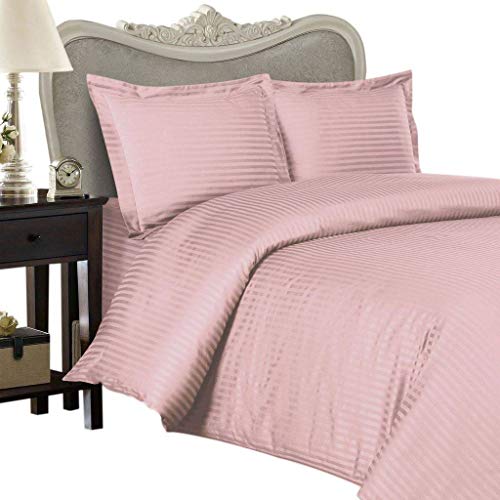
100% Luxury Ultra Soft Premium long-staple Egyptian Giza Cotton 4pc Sheet Set and 3pc Duvet Set

100% Luxury Ultra Soft Premium long-staple Egyptian Giza Cotton 4pc Sheet Set and 3pc Duvet Set
The Ideal Thread Count for Percale Sheets
Choosing the right thread count for percale sheets is essential for achieving maximum comfort. The ideal thread count typically ranges from 250 to 300. This range balances breathability and durability effectively. Sheets with a thread count of at least 200 are acceptable for average quality. However, those in the 400 to 500 range may indicate finer yarns, enhancing overall feel. Average-quality options often lie around a thread count of 180, which can lack desired crispness. Percale sheets are known for being lightweight, making them ideal for hot sleepers. Their breathable fabric promotes a comfortable sleeping environment. Invest in higher thread counts for increased quality, ensuring durability while maintaining a cool, pleasant sleep experience. When selecting sheets, consider options with OEKO-TEX certification to ensure safety from harmful substances.
Recommended Products

100% Luxury 250TC long-staple Egyptian Giza Cotton 4pc Sheet Set and 3pc Duvet Set

100% Luxury 250TC long-staple Egyptian Giza Cotton 4pc Sheet Set and 3pc Duvet Set

100% Luxury 250TC long-staple Egyptian Giza Cotton 4pc Sheet Set and 3pc Duvet Set
The Ideal Thread Count for Sateen Sheets
The ideal thread count for sateen sheets ranges from 300 to 600. This range guarantees quality sheets that provide maximum softness and durability. Selecting sheets within this ideal thread count assures a luxurious sleeping experience, as they feel both comfortable and warm. Higher thread counts may enhance durability by minimizing snagging due to longer weft yarns. However, counts exceeding 600 can lead to a denser fabric that sacrifices breathability and overall comfort. Average-quality sateen sheets typically lie between 250 to 300 thread count and may offer a silky feel, but for best results, aim for that 300 to 600 range. This balance helps maintain the sheet’s softness while maximizing comfort and breathability for restful nights. For added assurance, consider sheets that are OEKO-TEX certified as they guarantee safety and the absence of harmful substances in bedding.
Recommended Products

CALIFORNIA KING SIZE WHITE COTTON PERCALE SHEET SET WITH HEMSTITCH: California King Size Fitted Sheet 72"x84", King Size Hemstitched Top Sheet 112"x112" and Pair of Hemstitched King Pillowcases 21"x37". Fully elasticated deep pocket fitted sheet to fit mattresses up to 16". Long staple cotton percale sheets woven in Italy.

Winner of the 2026 Good Housekeeping Best Bedding Award - Bulk Pack of 6 King Size Sheets Set: Includes 6 flat sheets (112 inches wide by 102 inches long), 6 fitted sheets (78 inches wide by 80 inches long) with deep pockets (fits 8-16 inch mattresses), and 12 king pillowcases (21 inches wide by 40 inches long); well sized king sheets for comfort. Independently tested to earn the prestigious Good Housekeeping Seal.

✔ COMPLETE 8-PIECE BED IN A BAG SET: Luxury california-king size bedding set includes everything you need: 1 down comforter in white color (Duvet Insert), 4-piece sheet set, and 3-piece duvet cover set (color per selection). Perfect all-in-one solution for a stylish and comfortable bedroom upgrade.
The Impact of Yarn Quality on Sheet Performance
Understanding yarn quality is essential for selecting quality sheets. The choice between single-ply yarns and multi-ply options greatly impacts comfort and durability. Single-ply yarns are breathable and long-lasting, while multi-ply can feel heavy without enhancing quality. Opt for sheets made from long-staple cotton, like Egyptian or Pima cotton, as these fibers create smoother, more durable fabrics. Combed cotton is another excellent choice; it is processed to eliminate shorter fibers, resulting in stronger and softer sheets. Remember that high-quality sheets transition from multi-ply to single-ply yarns, improving overall fabric performance. Focus on finer long-staple yarns for that luxurious softness you desire. Consult healthcare professionals when considering supplements like magnesium glycinate, as they can ensure appropriate dosing based on individual health needs. Prioritize these factors to enjoy comfortable, durable sheets that maintain quality wash after wash.
Marketing Tactics: Misleading Thread Count Claims
While shoppers may believe that a higher thread count guarantees better quality sheets, they often overlook marketing tactics that can mislead them. Many manufacturers inflate thread counts using creative counting methods. This includes twisting multiple lower-quality threads together or counting warp and weft threads multiple times. High thread count sheets often utilize multi-ply construction, which does not equate to superior comfort or durability. For example, a 1,000-thread-count sheet may feel no better than a 300-thread-count sheet made from high-quality, long-staple cotton. To make informed choices, shoppers should focus on the quality of the cotton, consider the weave type like percale vs sateen and pay attention to their own comfort preferences rather than just thread count alone. It’s also important to consider hypoallergenic materials as they can significantly enhance comfort for individuals with sensitivities or allergies.
Selecting the Right Sheet for Your Sleep Style
How does one choose the right sheets for their sleep style? Begin by identifying your preferences for comfort and temperature. If you sleep hot, opt for breathable percale sheets with a thread count between 250 and 300. They offer a crisp, cool feel. Alternatively, if you enjoy a cozier experience, choose sateen sheets with a thread count ranging from 300 to 600. These provide a softer touch and a luxurious sheen. Consider your skin sensitivity as well; sateen is often better for sensitive skin due to its softness. Evaluate durability too: percale wrinkles easily but softens with every wash, while sateen resists wrinkles but may pill. For added protection, consider using a 100% waterproof protector to guard against spills and allergens, ensuring your sheets and mattress remain in top condition. Make careful selections based on these criteria for ideal sleep satisfaction.
Exploring Material Options Beyond Thread Count and Weave
Three primary material options influence the comfort and performance of bed sheets. First, consider cotton quality. Long-staple cotton, particularly Egyptian and Pima, offers unmatched softness and durability compared to standard cotton. Second, opt for organic cotton sheets when possible. These sheets support sustainability and typically avoid harmful pesticides, enhancing comfort and environmental impact. Third, explore natural fibers like linen and bamboo lyocell. Linen excels in breathability and moisture-wicking, while bamboo lyocell provides a soft, hypoallergenic alternative. Remember that blends, such as cotton with polyester, can reduce breathability. Choose 100% natural fibers when seeking ideal comfort and durability. Always assess material quality, as it greatly affects your overall sleeping experience beyond thread count and weave type.
Frequently Asked Questions
Is Percale or Sateen More Comfortable?
Comfort preferences between percale and sateen vary widely based on fabric characteristics. Percale offers breathability and crispness for hot sleepers, while sateen provides softness and warmth, making buyer experiences reflect different seasonal suitability and maintenance ease.
What Is the Comfiest Thread Count?
The comfiest thread count typically lies between 300 to 600, balancing comfort preferences and fabric durability. Higher counts may affect material breathability and skin sensitivity, directly influencing personal comfort and bedding longevity through quality and washability factors.
Do Luxury Hotels Use Percale or Sateen Sheets?
Luxury hotels often utilize both percale and sateen sheets, depending on hotel standards and guest experiences. Their sheet preferences reflect fabric differences, enhancing sleep quality through material durability, while accommodating diverse needs through thread variations and cleaning practices.
What Is the Most Comfortable Material for Bed Sheets?
In a cozy cabin, soft bamboo sheets drape over a bed, showcasing their unparalleled softness and sustainability. Meanwhile, luxurious cotton excels in quality, blending comfort with durability, complemented by the breathability of linen and warmth of flannel.