To create a sleep routine, start your wind-down at least 60-90 minutes before bed. Dim lights using amber bulbs to support your circadian rhythm. Incorporate calming sounds, such as white noise or gentle music, to enhance relaxation. Engage in relaxing activities like journaling or gentle stretches. Disconnect from screens 30-60 minutes before sleep to reduce blue light exposure. Maintain a cool room temperature between 60-67°F for comfort. Further strategies can enhance your sleep quality.
Key Takeaways
- Establish a consistent wind-down routine 60-90 minutes before bed with calming activities like gentle stretches or reading to signal relaxation.
- Dim bedroom lights using amber-colored bulbs to support the circadian rhythm and promote better sleep quality.
- Maintain a comfortable bedroom temperature of 60-67°F and utilize blackout curtains to eliminate light disturbances.
- Introduce soothing sounds or white noise to mask external disturbances, enhancing the sleep environment for deeper rest.
- Limit screen time and blue light exposure at least 30-60 minutes before bedtime to improve sleep onset and overall quality.
The Importance of a Wind-Down Routine
Establishing a wind-down routine is essential for those seeking better sleep quality. This routine should begin 60-90 minutes before bedtime. It signals the brain that it is time to relax, promoting melatonin release. Incorporate calming activities, such as gentle stretching, reading, or journaling, to reduce racing thoughts and physical tension. Limit blue light exposure from screens at least 30-60 minutes prior to sleep; this will help prevent melatonin suppression. Consistency is key; maintain a regular sleep schedule to reinforce the brain’s association with nightly rituals. Over time, practicing a wind-down routine will help establish healthier sleep habits, leading to lasting improvements in overall relaxation and sleep quality. Consider integrating nightstands with charging stations to keep your bedside organized and charge devices efficiently while maintaining a clutter-free environment.
Recommended Products

Convenient Charging - This side table has a built-in charging station with USB ports & three-prong plugs. Gone are the days of hunting for a wall outlet or untangling or dealing with tangled cables. This convenient charging is ideal for the living room.

Ample Storage: Three drawers, including a soft fabric-lined top drawer for delicate items.
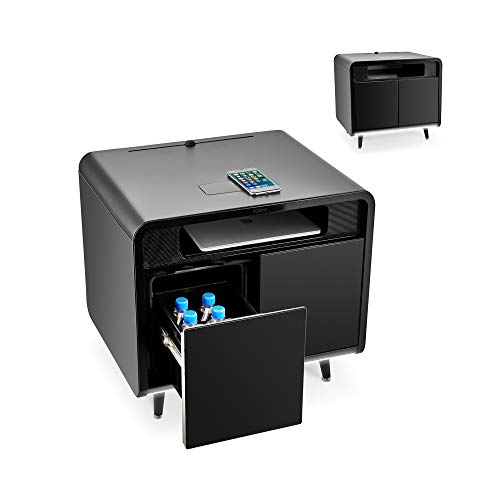
SMART SIDE TABLE: The most connected side table. Bluetooth speakers with rich sound quality. WiFi enabled and remote management with the Sobro App. Firmware updates keep your table future proofed.
Optimal Timing for Your Wind-Down Process
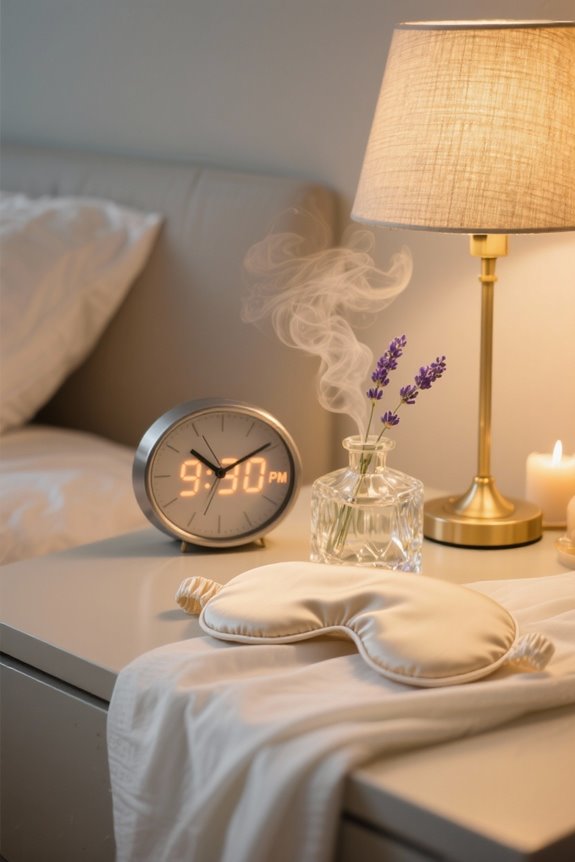
To achieve ideal results from a wind-down routine, timing plays a crucial role. Begin your wind-down activities 60 to 90 minutes before bedtime. This timeframe allows sufficient relaxation and changeover into sleep. Engage in calming activities during this period. This can help lower cortisol levels, which may impede melatonin production and delay sleep. Limit screen time for 30 to 60 minutes before bed to reduce blue light exposure. Starting the wind-down process before feeling exhausted prepares both the mind and body for rest. Maintain consistent timing in your sleep routine to enhance sleep quality. Over time, your brain will associate these cues with relaxation and sleep, making it easier to unwind effectively. Incorporating high-quality materials, such as Egyptian cotton for luxury, in your bedding can further enhance the sleep environment by providing comfort and breathability.
Managing Evening Meals for Better Sleep

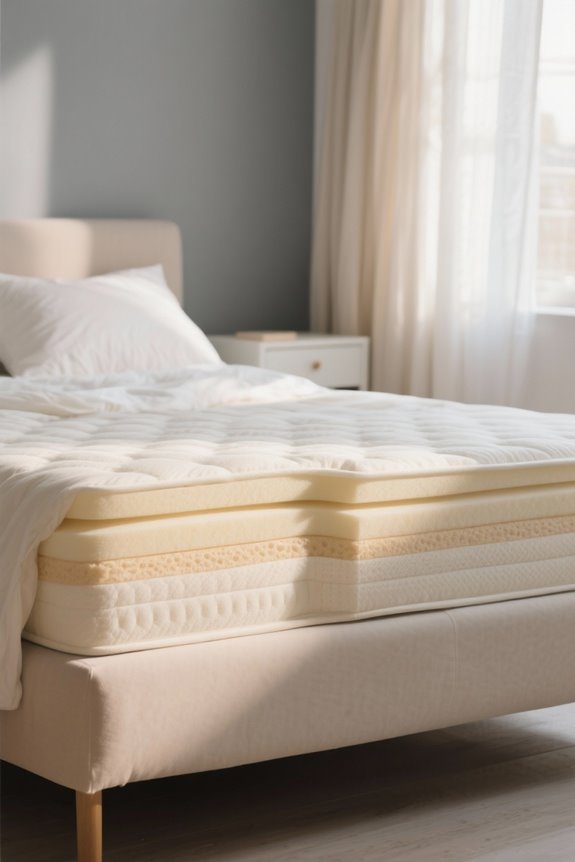
A well-planned evening meal can greatly enhance sleep quality. Manage evening meals by finishing dinner at least 2-3 hours before bedtime to allow for ideal digestion. Avoid heavy meals that may cause indigestion and disrupt your sleep cycle. Instead, choose healthier dinner options, such as lean proteins or vegetables, which support better sleep. Stay clear of high-sugar snacks or beverages in the evening, as they lead to blood sugar spikes and energy crashes. Additionally, limit caffeine intake by avoiding it after mid-afternoon to maintain sleep quality. Alcohol should also be consumed in moderation and well before bedtime to prevent interruptions in REM sleep. Incorporating a cooling mattress topper can further enhance sleep quality by regulating body temperature and providing additional comfort. Following these guidelines will help promote a more restful night.
Recommended Products

Solid Construction: Built to last with durable solid rubberwood and hand-applied finishes for enduring quality and style
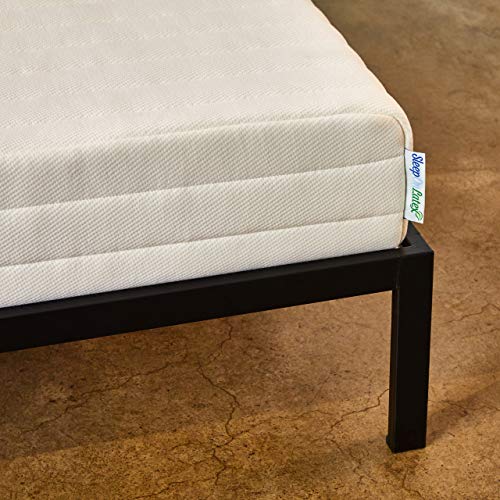
Firm - Very Supportive and Strong with Just Enough Give to Help Alleviate Pressure Points
Medium Firmness - Great for Side Sleepers, Back Sleepers and Couples
Disconnecting From Work and Screen Time

How can disconnecting from work and minimizing screen time improve sleep quality? First, establish a boundary by disconnecting from work at least 30 minutes before bedtime. This promotes mental decompression and reduces evening stress. Next, limit screen time two hours before sleep to decrease blue light exposure. This light suppresses melatonin production, disrupting natural sleep patterns. Instead, engage in non-digital activities like reading or journaling to encourage relaxation and clear mental clutter. Prioritize planning and creating to-do lists earlier in the evening. This helps prepare the mind for the next day without taking work stress to bed. Finally, activate “Do Not Disturb” modes on devices and keep them away, fostering a calming environment for an effective wind-down routine. Incorporating soothing sounds or nature melodies into your bedtime routine can also enhance relaxation and improve sleep quality by masking disruptive noises.
Recommended Products
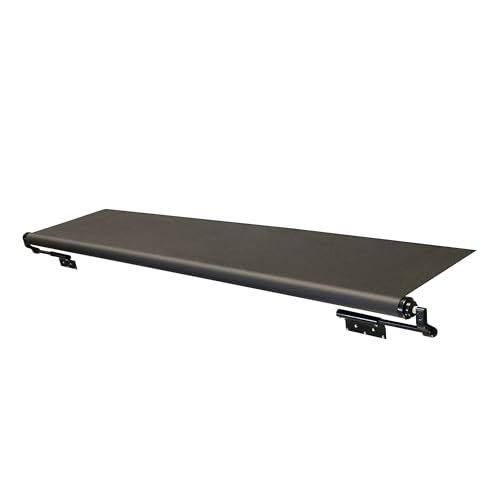
Select the size that extends a minimum of 2 ½" beyond each side of your slide box width

TWO PANELS: Sold per 1 pair (2 panels). Each window drape adopt 1.6 inch inner diameter rustproof grommets, fit well with standard or decorative curtain rods. Easy to install and slide. 6 grommets for 42" width; 8 grommets for 52" width; 10 grommets for 72" width; 12 grommets for 84" width; 14 grommets for 100"W; 16 grommets for 120"W; 22 grommets for 150"W; 28 grommets for 200"W; 36 grommets for 250"W.

FLAT HOOKS TOP CURTAIN: Sold per pair (2 panels). Each panel measures: 100 W x 180 L inches. Come with adjustable plastic pin hooks. 10 hooks for 52" width; 21 hooks for 100"W. Easy to install and slide.
Relaxation Techniques to Incorporate

Establishing a consistent sleep routine involves incorporating effective relaxation techniques. Start with breathing exercises, like the 4-7-8 method, for five minutes to activate relaxation. Include light stretching or yoga to release muscle tension and improve sleep quality. Practice mindfulness for a few minutes to manage racing thoughts; consider simple meditation techniques. Engage in calming activities, such as reading a physical book, avoiding genres that stimulate the mind. Limit blue light exposure by choosing non-digital sources. Journaling for ten minutes can clear lingering thoughts and organize your mind. Evaluate design aesthetics when creating a calming environment, ensuring that lighting and decor align with a peaceful atmosphere. These techniques promote a peaceful sleep environment and prepare the body for a restful night. Incorporate these strategies regularly for the best results.
Recommended Products

【Detachable Full-Body Wraparound Design】Designed with a detachable upper and lower layer structure, this red light therapy mat can be used flat or wrapped into a cocoon-style sleeping bag for immersive head-to-toe light coverage. This red light blanket full body is Ideal for home use, daily relaxation, after-work relief fatigue, post-workout relaxation, and improve sleep at nighttime routines.

【Multi-Functional Futon Sofa Bed】This sofa bed couch quickly converts into a floor sofa, chaise, recliner, and sofa bed. Ideal for reading, surfing the Internet, watching TV, exercising, or relaxing. It also works as a futon mattress for unexpected sleepover guests

Create Your Sacred Workout Space – Move freely and comfortably on any hard surface with the Sensu hot yoga mat! At 9' x 6' and 9mm thick, it transforms any area into a supportive space for yoga, stretching, or fitness. Comes complete with a waterproof carry bag, sticky mat grips, and a large microfiber towel for versatile use anywhere.
Creating a Calm and Inviting Sleep Sanctuary
Creating a calm and inviting sleep sanctuary starts with the physical environment. Maintain a bedroom temperature between 60-67°F for ideal comfort and deeper sleep. Install blackout curtains to eliminate light disturbances. This increases melatonin levels, helping the body fall asleep faster. Dim the lights in the evening, using amber-colored bulbs, to signal wind-down time and support the circadian rhythm. Introduce white noise or soothing sounds to block external disturbances, promoting relaxation. Keep electronics away from the bed. This minimizes distractions and reinforces the association of the bedroom with restful sleep. Under bed storage can also be utilized to maximize space while keeping the bedroom clutter-free and organized. By following these steps, one can create a sleep sanctuary that enhances relaxation and improves overall sleep quality.
Recommended Products

【Full Black‑Coated Inner Lining + Removable Privacy Curtain】 Our entire inner tent is covered with a black‑coated lining, achieving >90% light blocking. You can sleep soundly even at noon, and the interior stays 10‑15°F cooler than ordinary inflatable tents. And a built‑in removable privacy curtain easily divides the space into separate bedroom & living area: kids play, women change, friends chat late without disturbing each other. Simply remove curtain to restore open space when not needed.

PINCH PLEATED CURTAIN: Sold per 1 pair (2 panels). Come with adjustable plastic pin hooks. 5 or 6 pleats for 27" width; 9 or 10 pleats for 52" width. Please noted that round metal rings are not included. Workable for track or rods with rings. Easy to install and slide.

【Space-Saving All-in-One Design】 This loft bed with desk integrates a sleeping area, workstation, and storage into a single footprint. It's the ultimate space-saving solution for bedrooms, dorms, and apartments, maximizing your floor space for living, not just furniture
Consistency and Patience in Building Sleep Habits
Maintaining a consistent sleep routine proves beneficial for overall health. Establish a regular bedtime and wake-up time within a 30-minute window to support your circadian rhythm. This consistency enhances your sleep quality over time. Building effective sleep habits requires patience; it can take an average of two months to adjust fully. Incorporate relaxation techniques during your wind-down process, such as deep breathing or gentle stretching. These methods contribute to your emotional well-being and promote healthier sleep patterns. If you miss a night in your routine, do not be discouraged. Quickly return to your established habits to maintain consistency. Remember, patience and commitment will enhance your overall sleep experience and well-being. Additionally, consider incorporating natural sleep aids like sleep gummies with valerian root to support your nightly routine.
Tailoring Your Routine to Personal Needs
Tailoring a sleep routine to individual needs enhances overall restfulness and can markedly improve sleep quality. Start by identifying personal preferences for relaxing activities, such as reading or journaling, within 30 to 90 minutes before bedtime. Integrate warm lighting, like amber or red tones, to signal the body that it is time to wind down. Incorporate calming music or white noise to create a soothing environment, effectively drowning out distractions. Personalize your wind-down activities; consider a warm bath followed by gentle stretches. Consider using plant-based, non-toxic products free from harsh chemicals, such as lavender pillow mists, to safely enhance relaxation. Regularly evaluate your routine and adjust as needed based on sleep quality changes. Such adaptations help maintain effective practices, ultimately supporting overall well-being and making it easier to fall asleep.
Frequently Asked Questions
What Is the 5 3 3 Rule for Sleep?
The 5-3-3 rule for sleep involves 5 minutes of calming activities, 3 minutes of relaxation techniques like breathwork, and 3 minutes ensuring an ideal sleep environment, enhancing sleep hygiene and bedtime rituals for better rest.
What Is the 10 4 3 2 1 Rule?
The 10 4 3 2 1 rule enhances sleep hygiene through structured bedtime rituals: stopping caffeine 10 hours prior, avoiding snacks 4 hours before, refraining from exercise 3 hours out, limiting screen time 2 hours before, and engaging in mindfulness practices 1 hour before sleep.
What Is the 3 2 1 Rule for Bedtime?
The 3 2 1 rule for bedtime encourages healthy bedtime habits: stop eating three hours before, limit screen time to two hours, and engage in one hour of calming activities, enhancing relaxation techniques and sleep hygiene.
What Is the 10 3 2 Rule?
Like a well-tuned orchestra, the 10 3 2 rule harmonizes sleep hygiene: ten hours without caffeine, three without alcohol, and two to three hours before bed for sleep-friendly foods, ensuring a soothing evening routine.