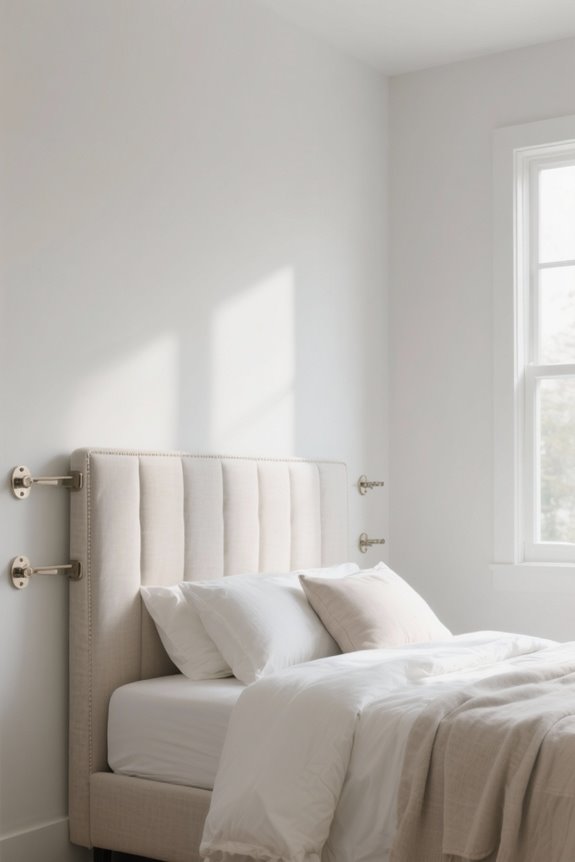

To install a wall-mounted headboard, measure its height to be 48 to 54 inches from the floor. Locate wall studs using a stud finder; mark their positions for secure mounting. Use appropriate wall anchors based on weight; choose heavy-duty options for over 30 lbs. Align the headboard with mounting hardware and attach it firmly. Regularly check for stability and wear. Following these steps will help guarantee a safe and secure installation while enhancing your bedroom’s aesthetic. More details are available.
Key Takeaways
- Use a stud finder to locate wall studs, ensuring a secure installation for heavier wall-mounted headboards.
- Choose appropriate wall anchors; use toggle bolts for drywall and masonry screws for concrete or brick walls.
- Select wall anchors rated for at least double the expected load to ensure safety and stability.
- Mark stud locations clearly and ensure proper alignment before drilling to avoid wall damage.
- Regularly inspect the headboard installation for wear and tear to maintain safety and effectiveness.
Measuring Your Wall-Mounted Headboard
When measuring for a wall-mounted headboard, precise calculations are essential. Start by measuring the distance from the floor to the hooks on the headboard. Add one inch to accommodate the bed’s height. Record the spacing between the hooks for accurate alignment with wall fittings. Aim to mount the headboard 48 to 54 inches above the floor to guarantee the best visibility and comfort. Use painter’s tape to outline the headboard’s footprint on the wall, assisting in accurate positioning. It is advisable to maintain a minimum of six inches between the headboard’s top and the ceiling, preventing visual clutter. Once measurements are complete, gather a stud finder and the appropriate drill for securely mounting the headboard. Additionally, consider the noise reduction properties of blackout curtains to create a serene and comfortable bedroom environment.
Identifying Wall Studs
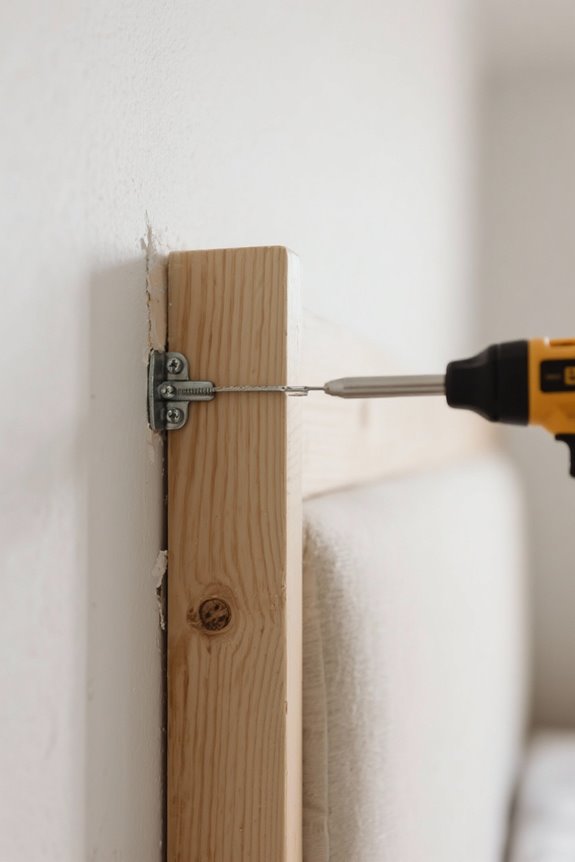
Identifying wall studs is a vital step in securely mounting a headboard. Use a stud finder to accurately locate the wall studs, which are typically spaced 16 or 24 inches apart. If a stud finder is unavailable, tap the wall to listen for solid sounds, indicating the location of a stud. Measure 1.5 inches from a corner or outlet to estimate where studs might be positioned. Once a potential location is found, confirm it by inserting a small nail or drill bit to verify solidity. This confirmation is critical, especially considering the weight of your headboard. Mark the stud locations clearly, as they will provide a secure base for your mounting brackets and any necessary pilot holes. For additional support, consider heavy-duty construction which can provide enhanced stability and ensure your headboard remains securely mounted.
Planning the Placement of Your Headboard

Planning the placement of the headboard requires careful consideration of various factors. Begin by measuring the width of the bed frame to find the center point on the wall for headboard alignment. Choose a headboard height between 48 to 54 inches from the floor to align with or be below the mattress top. Use painter’s tape to mark the headboard outline for precise placement reference. Next, use a level to draw horizontal lines indicating where the mounting brackets should go. Guarantee a minimum 6-inch gap exists between the headboard and ceiling for visual balance. Finally, check for wall damage before drilling, and employ a stud finder to guarantee secure attachment and stability during use. When choosing a mid-century platform bed, consider materials like bamboo for a sustainable and healthy sleeping environment.
Selecting the Right Wall Anchors
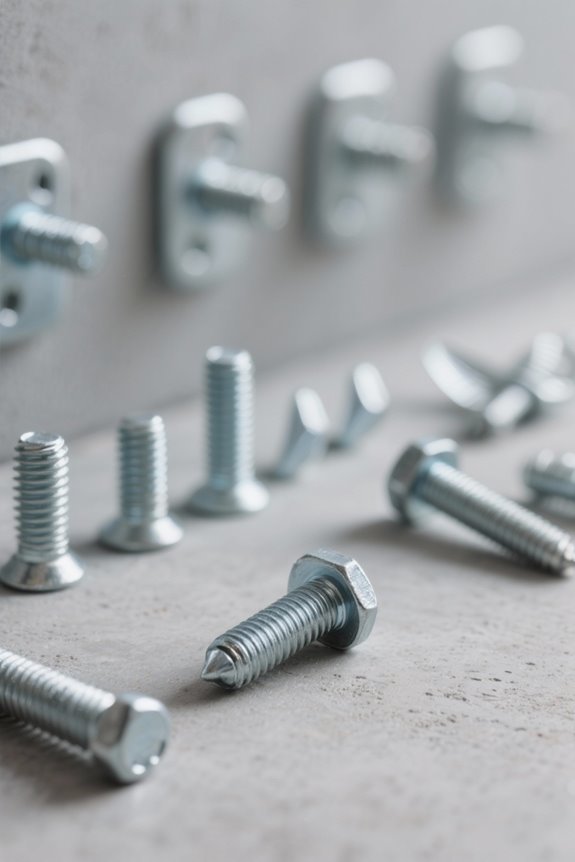
Selecting the appropriate wall anchors is essential for a secure headboard installation. First, identify the wall type. For drywall, use toggle bolts; for concrete or brick, choose masonry screws. Consider the weight of the headboard when selecting anchors. If it exceeds 30 lbs, opt for heavy-duty anchors like toggle bolts or molly bolts for stability. Always confirm anchors are installed into solid surfaces, as hollow walls may need reinforcement. Use a stud finder to locate wall studs, as mounting to the studs provides better support and minimizes the reliance on anchors. It is advisable to select anchors rated for at least double the expected load to confirm safety and account for wear over time. Additionally, ensure that any treatment products used during installation, such as natural bed bug sprays, are safe for use around household members to avoid exposure to harmful chemicals.
Recommended Products

Organized Storage with 3 Doors: Triple flip-down compartments Of the floating tv cabinet hides clutter while keeping remotes, game consoles, routers, DVDs, and books within reach—your clean, modern entertainment center.
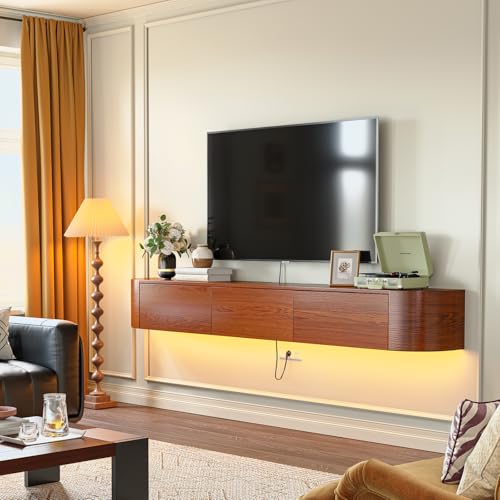
[Fully Assembled TV Console] Skip the hours of frustration. This floating tv console arrives fully assembled. Simply use the included professional hardware to mount it to your wall and enjoy your new space instantly.

STUNNING FRAMELESS RECTANGLE MIRROR DESIGN - Experience crystal-clear undistorted reflections with our 1/4 inch (6mm) thick tempered glass mirror featuring an elegant 1-inch polished beveled edge that adds sophisticated modern style and catches natural light beautifully in any bathroom vanity or living space.
Installation Process for Wall-Mounted Headboards
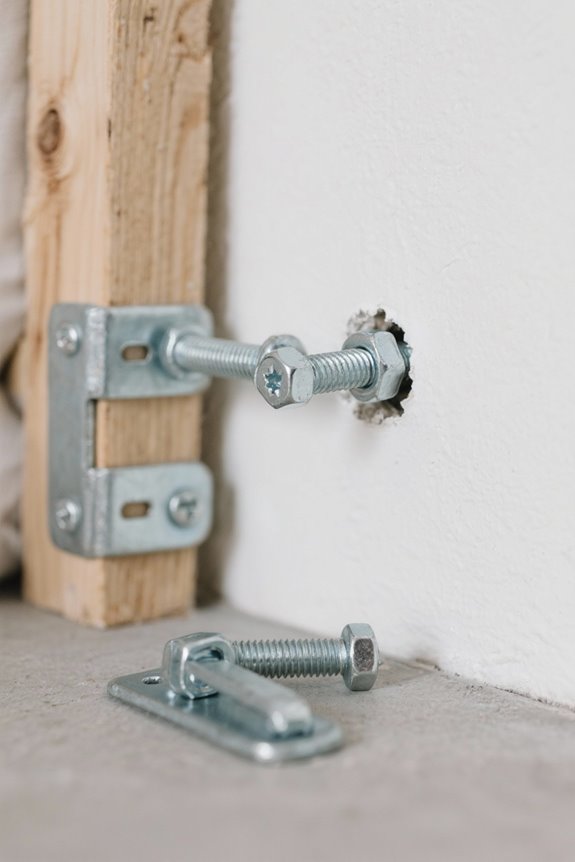
The installation process for wall-mounted headboards begins with accurate measurements. Determine the desired height, typically between 48 and 54 inches from the floor. Use a stud finder to locate wall studs, which provide vital stability. Mark the areas for mounting hardware according to the headboard’s design. If the studs do not align, install appropriate wall anchors, such as toggle bolts for drywall or masonry screws for concrete walls. Align the headboard with the installed mounting hardware and carefully lower it into place. Check that it fits securely against the wall. Verify all hardware is tightened to prevent wobbling. Proper installation is essential for both safety and aesthetics, aligning with the manufacturer’s recommendations for a stable and secure headboard. Regular inspection for wear and tear is crucial to ensure the continued effectiveness and safety of the installation.
Testing Stability and Safety
Once the wall-mounted headboard is installed, it is crucial to verify its stability and safety. Start by gently shaking the headboard to check for any movement or wobbling, which indicates secure mounting. Check that all screws and anchors are tightly fastened; loose fittings can compromise stability. Confirm the headboard aligns correctly with wall mounts or cleats to maintain proper load distribution. Misalignment can lead to safety issues. If the headboard is particularly heavy, consider adding supports like angle iron to reinforce installation. Regularly inspect the headboard’s stability, especially if movement occurs in the bed frame, as this can affect its security. Prioritize these steps to guarantee a safe and stable installation. For individuals experiencing occasional sleep disturbances, melatonin gummies can provide a natural sleep aid without causing morning grogginess.
Enhancing Your Bedroom Aesthetic With a Headboard
In many cases, a well-chosen headboard can greatly enhance bedroom aesthetics. Wall-mounted headboards create a sleek, modern look that maximizes floor space. They allow for unique designs, from upholstered panels to wooden beams behind the bed. When attaching your headboard, make certain to use a stud finder to guarantee a secure fit. Follow a step-by-step guide for installation, focusing on safety and stability. Elevated headboards enhance the room’s style and functionality, providing a sense of height while serving as a focal point. This approach allows for personalization, transforming the entire ambiance of the space while contributing to an organized and inviting environment. Ultimately, investing in a headboard offers both practical benefits and design enhancements. Canopy bed frames, made from high-quality metal, offer a durable and stylish option for bedroom decor, complementing the aesthetic appeal of wall-mounted headboards.
Frequently Asked Questions
Can You Anchor a Headboard to the Wall?
Yes, a headboard can be anchored to the wall using various mounting techniques suitable for different wall materials. Safety considerations, installation tools, and headboard types all influence the design aesthetics and stability of the installation.
Why Does No One Use Headboards Anymore?
Many homeowners abandon headboards due to evolving modern trends favoring minimalist designs, practical storage solutions, and streamlined bedroom aesthetics, deeming headboard benefits unnecessary for comfort factors, thereby diminishing their presence in contemporary interior design.
How to Get Headboard to Stop Hitting Wall?
To prevent a headboard from hitting the wall, explore noise reduction techniques, wall padding options, and headboard cushion installation. Additionally, consider adjustable headboard designs and vibration dampening materials for effective and creative wall solutions.
What Size Bolts Do I Need to Attach a Headboard?
To attach a headboard, choose bolts based on headboard materials and wall weight, typically ranging from 1.5 to 3 inches. Strong elements complement style options, while proper installation tips guarantee lasting durability and support.