
To guarantee a healthy sleep environment, choose hypoallergenic bedding made from organic cotton or bamboo. Look for materials certified to be free of harsh chemicals. Wash bedding in hot water, at least 130°F, every one to two weeks. Use fragrance-free, hypoallergenic detergents. Inspect bedding regularly for damage, and tumble dry on high heat to eliminate dust mites. Following these care routines will support your child’s comfort. More insights on creating a safe sleep space await further exploration.
Key Takeaways
- Choose hypoallergenic materials like organic cotton or bamboo to minimize allergens and promote a healthier sleep environment for kids.
- Look for bedding with certifications from organizations like AAFA to ensure the absence of harsh chemicals and pesticides.
- Use microfiber bedding to effectively block dust mites and allergens, reducing allergic reactions during sleep.
- Maintain bedding by washing it in hot water (at least 130°F) every 1-2 weeks with fragrance-free, hypoallergenic detergents.
- Inspect bedding regularly for wear and tumble dry on high heat to eliminate dust mites and sustain its effectiveness.
Understanding Hypoallergenic Materials for Kids’ Bedding
What makes bedding hypoallergenic? Hypoallergenic materials minimize allergic reactions. For children’s bedding, choose options made from organic cotton or bamboo. These natural fibers are gentle on sensitive skin. Specialty fabrics like microfiber and tightly woven cotton effectively block dust mites and their allergens due to small pore sizes. Always look for certification from organizations like the Asthma and Allergy Foundation of America (AAFA) to guarantee quality. Additionally, hypoallergenic bedding should be free of harsh chemicals and dyes, essential for kids with skin sensitivities. Follow care instructions by washing bedding regularly in hot water, ideally at 130°F or 54.4°C. This practice will eliminate dust mites and maintain a clean sleep environment for your child. A high thread count enhances breathability and durability of hypoallergenic bedding.
Benefits of Using Hypoallergenic Bedding
Using hypoallergenic bedding offers significant benefits for children, especially those with allergies or asthma. This type of bedding is designed to minimize allergens like dust mites, which can disrupt sleep and irritate a child’s skin. Natural materials, such as organic cotton and bamboo, create a soft, breathable surface that reduces skin irritation. Improved sleep quality is also a key benefit, as hypoallergenic bedding helps lower nighttime allergy symptoms, promoting more restful, uninterrupted sleep. Regular maintenance is essential; wash bedding in hot water and use hypoallergenic detergents to effectively remove allergens. By choosing hypoallergenic bedding, parents create a healthier sleeping environment, supporting their child’s physical and cognitive growth. Prioritize your child’s comfort for better overall well-being. Additionally, bamboo lyocell sheets, known for their moisture-wicking properties, can further enhance comfort by keeping the sleeping surface cool and dry.
Key Features to Look for in Hypoallergenic Bedding
When selecting hypoallergenic bedding for kids, certain key features stand out. Choose bedding made from natural materials like organic cotton or bamboo. These fabrics enhance breathability and reduce skin irritation, promoting better child’s sleep. Look for a smooth cotton sateen weave to diminish friction, guaranteeing comfort for sensitive skin. Verify the bedding is certified by reputable organizations, confirming it is free from harsh pesticides and chemicals. Opt for products with a pore size of 6 microns or less to block house dust mite allergens effectively. Bamboo materials are naturally resistant to dust mites and bacteria, promoting a healthier sleep environment for your child. Finally, select machine washable bedding that can endure high-heat washing and drying. Regular cleaning is essential for maintaining an allergen-free sleeping environment for children.
Recommended Products
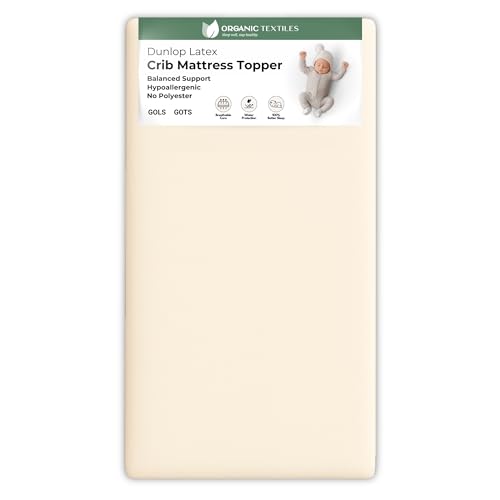
Water-Resistant: Able to resist the penetration of water to some degree, but not entirely. Provides a barrier against light moisture or brief contact with water. Suitable for mild protection — e.g., light spills or sweat. A water-resistant mattress protector may repel small splashes but could absorb water if left wet for long periods.

ORGANIC LATEX CRIB MATTRESS TOPPER: Our organic latex baby crib toppers are made from 100% GOLS Certified Organic Latex. This Crib Mattress Topper features a good support and contains enough density for your baby to twist and turn easily and have an ideal air circulation system that prevents your baby from sweating during the night.

Baby Latex MATTRESS TOPPER: Our Baby Latex toppers are made from GOLS Certified Latex. This Baby Mattress Topper features a good support and contains enough density for your to twist and turn easily and have an ideal air circulation system that prevents your from sweating during the night.
Recommended Fabrics for Allergies and Sensitive Skin
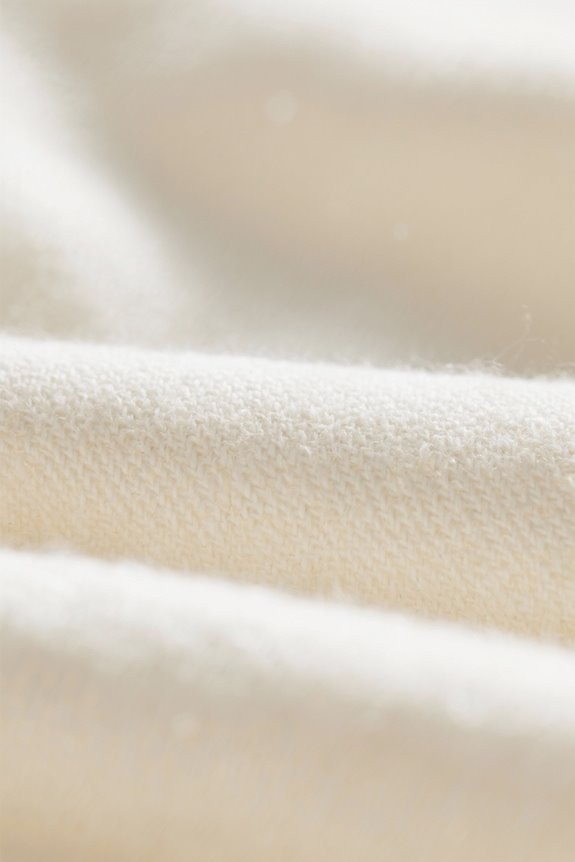
Selecting the right fabrics is essential for bedding that caters to allergies and sensitive skin. Choose hypoallergenic materials like organic cotton and bamboo. These fabrics are breathable and free from harsh chemicals or pesticides. Opt for cotton sateen weaves, as their smooth texture minimizes skin friction. This makes them gentler for sensitive skin. Consider microfiber bedding for its effective allergen resistance. Microfiber is soft, durable, and provides comfort while reducing exposure to irritants. Always verify certifications from organizations like the Asthma and Allergy Foundation of America (AAFA) for allergen resistance. Avoid synthetic fabrics, particularly polyester, since they can irritate sensitive skin and disrupt peaceful sleep. Prioritize these recommendations for ideal comfort and health. Bamboo blankets, with their moisture-wicking properties, are especially beneficial for hot sleepers or those experiencing night sweats.
Recommended Products

ORGANIC MATTRESS: Our 100% GOTS certified mattresses pass all government flammability requirements while maintaining UL/GREENGUARD certifications for low chemical emissions

FLANNEL SHEET SET: Velvety soft and breathable, this artisan-made set includes a fitted sheet, flat sheet, and two pillowcases finished with a time-intensive brushing and shearing process to reduce pills.

FINALLY, A PLASTIC-FREE CRIB MATTRESS - Many mainstream crib mattresses are glorified plastic - research shows that many emit Volatile Organic Compounds that are harmful to babies. Our organic crib mattress is here to change that
Care Routines for Maintaining Hypoallergenic Bedding

Maintaining hypoallergenic bedding requires a consistent care routine to preserve its protective qualities. Wash bedding in hot water, at least 130°F or 54.4°C, every 1-2 weeks. This effectively removes house dust mites and allergens. Use fragrance-free, hypoallergenic detergents to prevent irritation on sensitive skin. Regularly inspect bedding for any signs of wear or damage. This guarantees the bedding remains effective against allergens. Tumble dry bedding on high heat when possible. This further kills dust mites and promotes a fresh and clean feel. Always follow the manufacturer’s care instructions specific to each product. Breathable materials like polyester in allergy mattress protectors ensure comfort by preventing heat retention and moisture buildup. These steps are essential for achieving good nights of sleep while maintaining a healthy and safe sleeping environment for kids.
Recommended Products

100% PURE MULBERRY SILK: Mulberry silk is a natural protein fiber with 18 types of amino acids, which fits the human skin. Mulberry silk has excellent breathability and temperature regulation functions, making it warm in winter and cool in summer, suitable for those who sleep hot and cold. Low friction can effectively protect hair from damage.

🍃Whimsical Design: Abstract stripes, number motifs, and soccer ball designs to convey sporting passion and team glory, ideal for fan culture immersion and athletic-themed home spaces.The vivid and durable print brings every detail to life, ensuring it remains vibrant over time

PERFECT FOR SENSITIVE SKIN: Our Soft Bed Sheets are Woven at 600 Thread Count per square inch- Single Yarn Ply and made of 100% Tencel Lyocell from Eucalyptus Trees as You Can Sleep Comfortably With These Silky Soft and Naturally Pure Abripedic Sheet Set
Tips for Creating a Safe Sleep Environment
Creating a safe sleep environment for children is essential for their health and well-being. Maintain indoor humidity levels below 50% to discourage dust mites and allergens. Regularly wash kids bedding in hot water, ideally at 130°F, every one to two weeks to eliminate dust and irritants. Select hypoallergenic materials, such as organic cotton or bamboo, for added protection. Implement a cleaning routine that includes damp dusting and vacuuming with HEPA filters to reduce dust accumulation in the sleep space. Keep stuffed animals and soft toys in a clean environment; wash them often or freeze them for 24 hours to kill mites. Hypoallergenic pillow protectors can also enhance the overall sleep quality by reducing allergens. Following these tips will foster a healthier sleep area for children.
Recommended Products

CAT'S PAW DESIGN: Made of 100% wool yarn, the Cat's Paw Hand Micro-Hooked Wool Rug is hand micro-hooked with a finer-gauge loop and tighter construction. These rugs are durable, require little maintenance, and are soft underfoot. Perfect for high-traffic areas like living rooms, kids' rooms, staircases, and hallways.
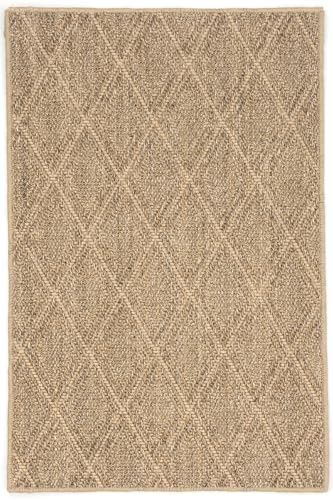
DIAMOND DESIGN: Part of our Designer Favorites collection of go-to rugs in timeless styles and a variety of durable constructions. Constructed from a jute-derived fiber, this diamond-pattern woven sisal rug is an eye-catching, extradurable addition to any floor.
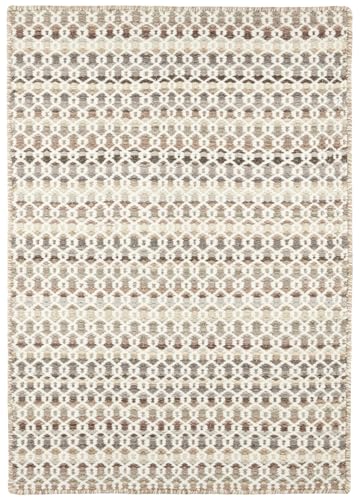
POPPY DESIGN: Our bestselling Poppy Handwoven Wool Rug instantly enlivens any space with its intricately handwoven stripes. Durable, densely woven, and softly textured, it's low-maintenance and will hold up well in busy spaces. Place it in a hallway or living room to add warmth and carefree sophistication.
Additional Considerations for Allergies and Eczema Management
When managing allergies and eczema in children, it is essential to prioritize hypoallergenic bedding options. Select bedding made from natural materials like organic cotton or bamboo. These materials minimize skin irritation and allergen exposure. Choose a smooth cotton sateen weave to reduce friction against sensitive skin. Wash hypoallergenic bedding in hot water, at least 130°F (54.4°C), every 1-2 weeks. Use fragrance-free detergents to avoid aggravating eczema. In the child’s bedroom, keep soft toys to a minimum and wash them regularly. Regularly vacuum and dust surfaces to lessen exposure to dust. Consider using a HEPA filter in air purifiers to enhance air quality. Hypoallergenic materials used in mattress encasements can also provide a protective barrier against allergens and pests. Such practices support overall allergy and eczema management effectively.
Recommended Products

CAMBAY MATTRESS – The firmest possible option, the Cambay mattress features a single layer of palm coir (4"). A healthy option for those who may suffer from aches or pains, this bed is for those who desire stiff support for their body. Appeals to those who have some experience sleeping on very firm bedding, or even the floor!
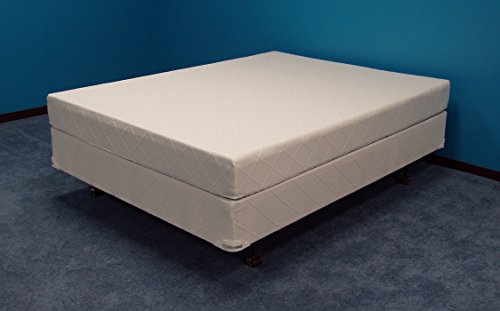
Patented Leak-Proof Double-Wall Waveless Water Mattress with Feathertop Molded Surface Reduces Body Pressures for Greatest Comfort

【300 Thread Count Tencel Organic Cotton Shell】 Encased in a downproof, 300-thread-count shell crafted from 50% Tencel lyocell and 50% organic cotton and finished with fine double-needle edge piping. OEKO-TEX Standard 100 certified, this naturally soft and breathable fabric provides excellent moisture-wicking properties and helps regulate temperature for comfortable lasting comfort. Perfect for those seeking cooling comfort.
Frequently Asked Questions
What Is the Best Material for Hypoallergenic Bedding?
In the world of restful slumber, organic cotton, bamboo fabric, and microfiber sheets emerge as top contenders for hypoallergenic bedding, while silk pillowcases and wool bedding add luxurious alternatives, maximizing comfort and minimizing allergens.
What Is the Best Material for Bedding for Kids?
For children’s bedding, natural fibers like organic cotton and bamboo are recommended. Such fabric choices enhance sleep environment safety, reduce allergy symptoms, and complement bedtime routines, ensuring a comfortable and healthy space for kids.
What Is the Healthiest Material for Bedding?
The healthiest bedding material encompasses organic cotton benefits, bamboo fiber advantages, wool insulation properties, silk allergen resistance, and microfiber cleanliness tips, nurturing a serene sleep environment while minimizing allergens and enhancing comfort for all.
What Fabric Material Is Hypoallergenic?
Natural fibers like organic cotton and bamboo are hypoallergenic, offering greater allergy prevention compared to synthetic fibers. Material comparison reveals natural options reduce skin irritation, while proper fabric care guarantees longevity and ideal performance for sensitive individuals.