Jet lag and shift work can disrupt sleep, but certain strategies can help. Gradually adjust your bedtime by one hour daily. For eastward travel, seek bright light exposure in the morning. For westward travel, use evening light. Maintain consistent sleep schedules and create a calming pre-sleep routine. Use light therapy boxes rated at 10,000 lux to enhance alertness. Keep your sleep environment dark, quiet, and cool, ideally between 60-67°F. More effective approaches await further exploration.
Key Takeaways
- Gradually adjust your sleep schedule by shifting bedtime an hour earlier or later each day before traveling or starting a night shift.
- Expose yourself to bright morning light if traveling eastward to advance your circadian rhythm, ensuring adjustment.
- For westward travelers, seek evening light exposure to help delay your internal clock.
- Use a light therapy box rated at 10,000 lux for effective circadian adjustments during shift work or jet lag recovery.
- Maintain a consistent sleep environment by keeping the room dark, quiet, and cool to enhance sleep quality.
Understanding Jet Lag and Its Impact on Sleep
When traveling rapidly across multiple time zones, individuals often experience jet lag, which disrupts their sleep patterns. This condition arises due to a misalignment between the internal biological clock and the new local time. Symptoms of jet lag include daytime sleepiness, insomnia, headaches, and irritability. The average adjustment time is roughly one day for each time zone crossed. For example, crossing six time zones may require about six days to adapt fully. Recognize that eastward travel can exacerbate sleep problems more than westward travel due to circadian rhythm differences. Light exposure is vital for resetting the circadian clock effectively. Consider using a white noise machine with adjustable sound options to aid in creating a calming environment, which may assist in managing sleep disturbances caused by jet lag. Embrace strategic light exposure to manage your sleep schedule, easing the adjustment while traveling across time zones.
The Role of Light Exposure in Circadian Alignment

Light exposure fundamentally influences the body’s circadian rhythms and aids in adjusting to new time zones. To reset the internal clock, seek bright light exposure before 9:00 AM. This is crucial for eastward travelers, as morning light advances circadian rhythms. Conversely, evening light is beneficial for those traveling west, helping to delay rhythms. Timed light therapy can assist in shifting circadian cycles one to three hours per day when combined with exercise and meal timing. Avoid bright light in the evening, especially before your body’s temperature minimum. This practice improves sleep quality and facilitates quicker adjustment to new sleep schedules. By strategically managing light exposure, individuals can effectively combat jet lag and enhance overall well-being. Additionally, utilizing dynamic star patterns from galaxy projectors can create a calming atmosphere that promotes relaxation and aids in aligning sleep schedules.
Strategies to Adjust Sleep Schedules Effectively
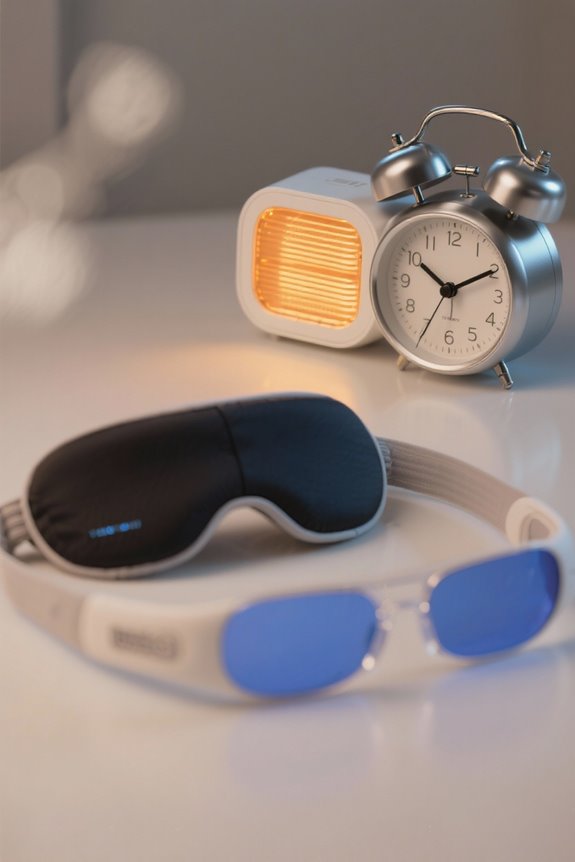
Adjusting sleep schedules is essential for adapting to new time zones or work shifts. Begin by gradually shifting your bedtime one hour earlier or later each day. Incorporate bright light exposure in the morning for eastward travel or minimize morning light for westward travel. Maintain a consistent sleep schedule, even on days off, to improve sleep quality, especially for night shift workers. Establish a pre-sleep routine by dimming lights and avoiding screens at least two hours before bedtime. Consider strategic power naps of 20-30 minutes during night shifts to boost alertness without disrupting the main sleep period. These strategies help realign the circadian rhythm, ensuring effective adjustment to sleep schedules while managing jet lag and shift work. Additionally, incorporating sleep gummies with valerian root can support relaxation and improve sleep quality, especially when adjusting to new routines.
Coping With Shift Work and Its Challenges
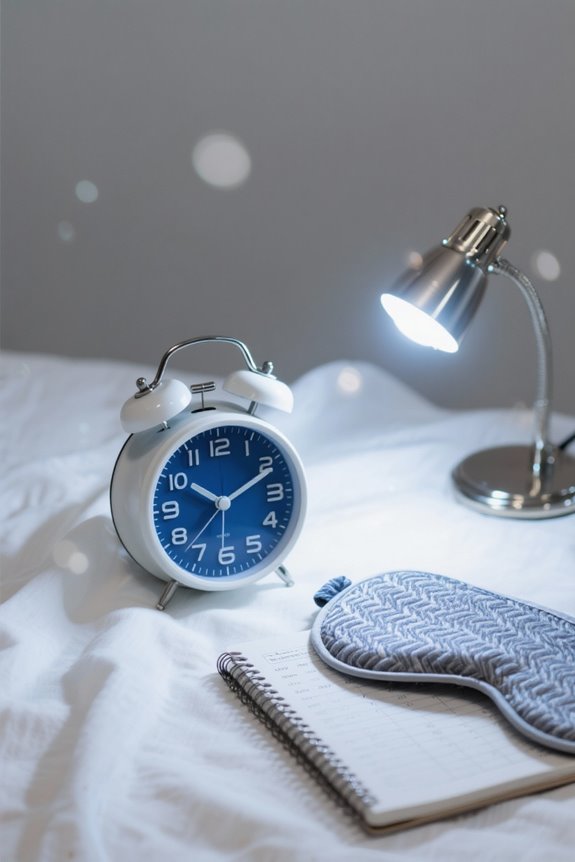
Shift work presents unique challenges that require effective coping strategies. Workers often experience 2 to 4 hours less sleep than traditional schedules, increasing insomnia risk. To combat this, implement a consistent sleep schedule, allowing the body to adjust its internal clock. Prioritize light exposure during shifts; bright light can enhance alertness and combat feelings similar to jet lag. For night shifts, take a 90-minute nap before starting work. This strategy improves alertness and performance. When possible, rotate shifts clockwise, as this adjustment is easier on the body. Finally, if juggling multiple commitments, plan sleep times carefully to minimize disturbances. By following these strategies, workers can better cope with the challenging demands of shift work. Incorporating customizable designs from anti-snore mouth guards can also enhance sleep quality, providing additional support against sleep disruptions commonly faced by shift workers.
Bright Light Therapy: Timing and Benefits
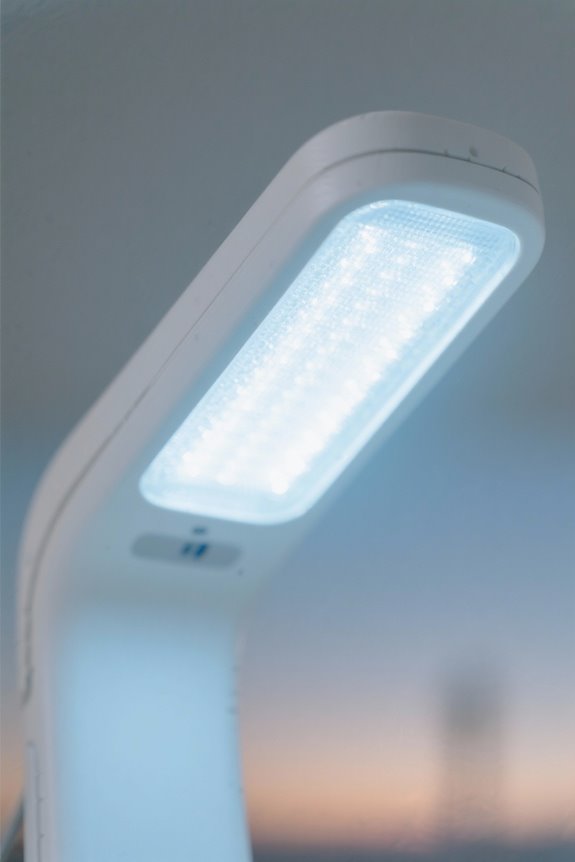
Effective management of sleep schedules can greatly benefit from bright light therapy. This therapy involves artificial light exposure that mimics sunlight, helping individuals adjust their circadian rhythms. For those experiencing jet lag, morning light exposure is essential. Avoid evening light to help advance the sleep schedule. A light therapy box rated at 10,000 lux can notably promote alertness and assist in this adjustment. Aim for bright light exposure before the body’s temperature minimum, occurring 90 minutes to 2 hours before waking. This strategy can improve sleep quality and facilitate a smoother shift to new time zones. Research indicates that proper light management can allow for an adjustment rate of one to three hours per day. Incorporating satin pillowcases into your sleep routine can further enhance sleep quality by reducing hair breakage and minimizing friction.
Creating an Optimal Sleep Environment for Recovery
Creating a comfortable sleep environment is essential for recovery from jet lag and shift work fatigue. Aim for an ideal sleep environment that prioritizes darkness, comfort, and quiet. Use blackout curtains to eliminate light exposure and reinforce the body’s circadian rhythms. Turn off phones and disconnect doorbells to reduce disruptive sounds. Utilize white noise machines or earplugs for deeper, uninterrupted sleep. Establish a consistent sleep routine, even on days off, to aid adaptation to new time zones or shift patterns. Temperature regulation is vital; maintain cooler room temperatures around 60-67°F (15-19°C) to improve sleep quality. Consider investing in percale cotton sheets for their breathability and crisp feel, which can help enhance sleep comfort. Follow these steps to create an ideal sleep environment and enhance recovery from fatigue.
Frequently Asked Questions
How Long Does It Take to Adjust to a New Time Zone?
Time zone adjustment typically requires one day per time zone shifted. Disruption affects circadian rhythm, leading to travel fatigue and sleep deprivation. Optimizing light exposure and melatonin levels enhances adaptation strategies and mitigates jet lag remedies.
Can Dietary Choices Affect Jet Lag and Sleep Quality?
Dietary choices act as a compass for sleep quality; food timing, caffeine impact, and hydration levels influence adjustment. Nutrient balance, meal frequency, and moderation of sugar and alcohol enhance digestive health, improving overall restfulness.
What Are the Long-Term Effects of Chronic Shift Work?
Chronic shift work impacts mental health and emotional well-being, increasing risks of sleep disorders, cardiovascular issues, and metabolic syndrome. It can lead to chronic fatigue, diminished workplace productivity, and strained family relationships despite long-term adaptation efforts.
Are There Specific Supplements That Aid in Reducing Jet Lag?
Melatonin supplements, magnesium citrate, and valerian root are useful for reducing jet lag, while vitamin B6, L-theanine capsules, and adaptogen herbs promote relaxation. Additionally, caffeine timing and omega-3 fatty acids can enhance overall wakefulness.
How Can I Measure My Circadian Rhythm Health?
Circadian rhythm health can be measured using circadian assessment methods, including sleep cycle monitoring, melatonin levels, and activity tracking devices. Additionally, evaluating lifestyle habits, environmental factors, and sleep quality questionnaires aids in biological clock analysis.