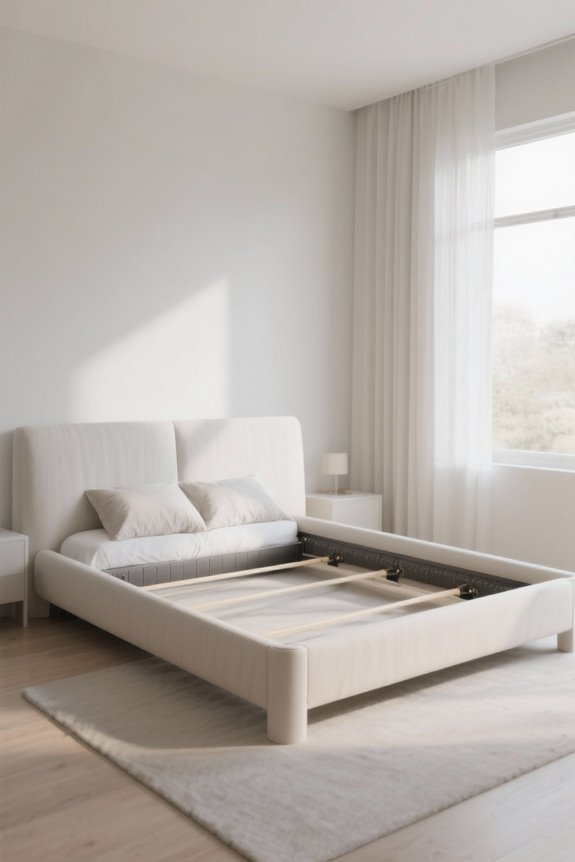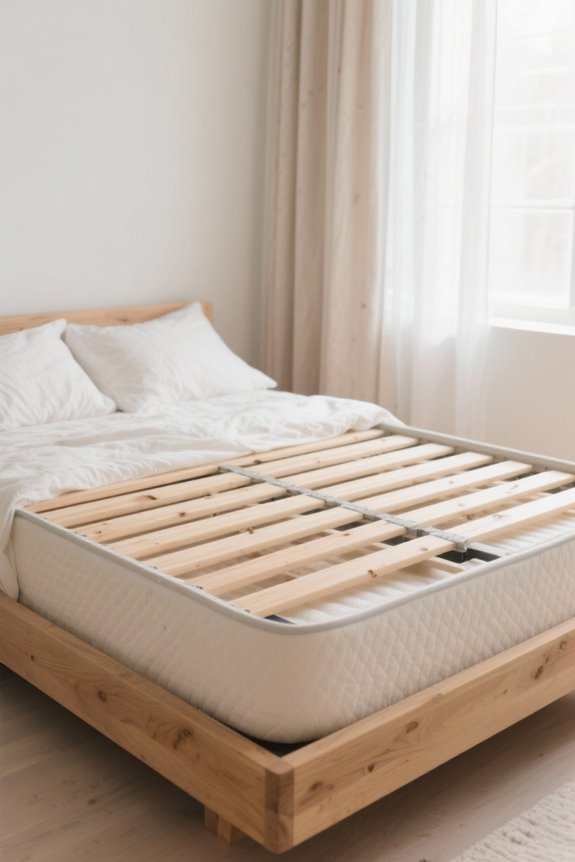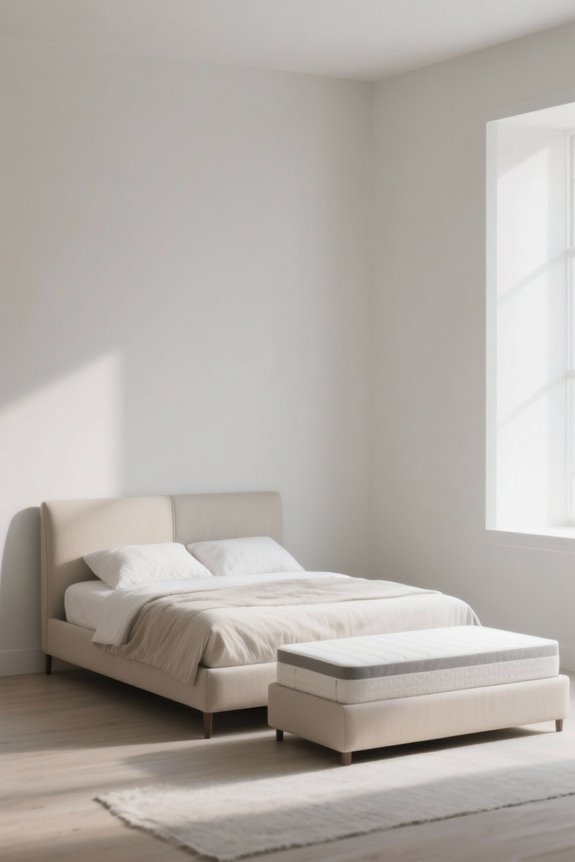

Understanding bed frames and platform beds is crucial for sleep support. Traditional bed frames often need box springs, which can impact stability. In contrast, platform beds offer solid surfaces or closely spaced slats for better support. This creates a firmer foundation, suitable for foam and hybrid mattresses. Proper slat spacing is essential to prevent sagging. Consider personal comfort and aesthetics when choosing a frame type. More detailed comparisons can provide further insight into selecting the best option for restful sleep.
Key Takeaways
- Traditional bed frames often require box springs for support, while platform beds have built-in systems for direct mattress support.
- Platform beds feature closely spaced slats or solid surfaces, reducing sagging risk and improving structural integrity for optimal sleep support.
- The choice of bed base affects mattress performance; platform beds enhance the lifespan of foam and hybrid mattresses, unlike traditional frames.
- Proper slat spacing in platform beds ensures even weight distribution, which is crucial for maximizing comfort and support, especially for memory foam.
- Aesthetics differ; traditional frames often emphasize ornate designs, while platform beds favor minimalist styles that serve smaller spaces efficiently.
Understanding Bed Frame Basics
A bed frame is a foundational element in any bedroom setup. It provides essential support for the mattress, elevating it off the ground and protecting it from moisture, dirt, and pests. Choose a bed frame that complements the mattress type to guarantee proper support and alignment. Stability is critical for a good sleep environment, as a sturdy bed frame reduces sagging and enhances comfort. Different bed frames, like platform beds, offer unique benefits, including improved airflow that can help regulate temperature. Remember, a well-chosen bed frame not only maintains the mattress warranty but can also impact the aesthetics of the room. Adjustable height legs on bed frames provide versatility for various bed types, enhancing both stability and comfort. Always prioritize quality and sturdiness when selecting a frame to guarantee a restful night’s sleep.
Key Features of Platform Beds

Platform beds offer a modern solution for bedroom furniture needs. They provide a sturdy base with either solid surfaces or closely spaced slats for maximum support. Verify slats are no more than 3 inches apart to prevent mattress sagging. This distance promotes even weight distribution for better sleep. Platform beds typically feature a lower height than a traditional bed, enhancing the room’s aesthetic. Many platform beds include built-in storage options, making them ideal for smaller spaces. This feature promotes better organization and maximizes bedroom functionality. The strong, flat surfaces of platform beds work particularly well with foam and hybrid mattresses, allowing them to perform effectively and last longer. Choose a platform bed for a stylish, practical, and functional sleeping arrangement. It is important to select beds with a minimum weight capacity of 3,000 lbs for optimal durability and support.
Recommended Products

Solid Acacia with Acacia veneer
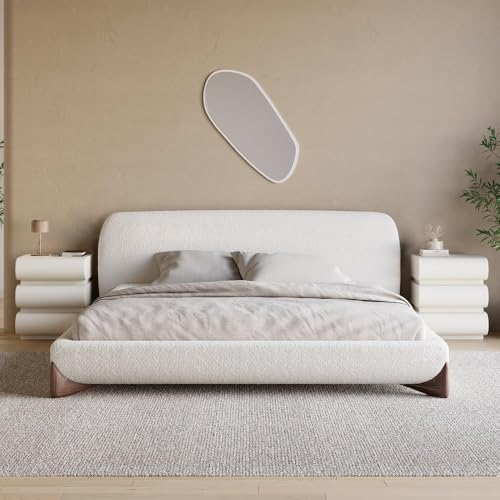
[Complete Bedroom Set with King Bed & 2 Three-Drawer Nightstands]- This modern bedroom set includes a king-size upholstered bed and two three-drawer nightstands, offering a perfect combination of comfort, storage, and style for your master bedroom or guest room. Homary nightstands feature 3 spacious drawers, providing ample storage for your essentials

Cloud-Like Headboard Comfort: Designed with an oversized cloud-inspired headboard, this modern bed frame creates a cozy visual centerpiece while offering soft foam padding for relaxed reading and lounging in your bedroom bed.
Comparing Structural Support: Bed Frames vs. Platforms

When comparing structural support between bed frames and platforms, several key differences become evident. Traditional bed frames often rely on a box spring to support your mattress, which can affect stability. In contrast, platform beds feature a built-in slatted or solid surface that directly supports the mattress. This design enhances structural integrity by distributing weight evenly, minimizing the risk of mattress sagging. Additionally, platform beds offer better airflow, which can help with temperature regulation, while traditional frames may trap heat. For ideal support, verify slat spacing in platform beds is no more than 3 inches apart. Ultimately, choosing between bed frames and platforms will depend on individual preferences and specific sleep needs. If you’re considering outdoor sleeping options, mosquito protection capabilities in hammock camping gear can ensure a comfortable and pest-free experience.
Recommended Products
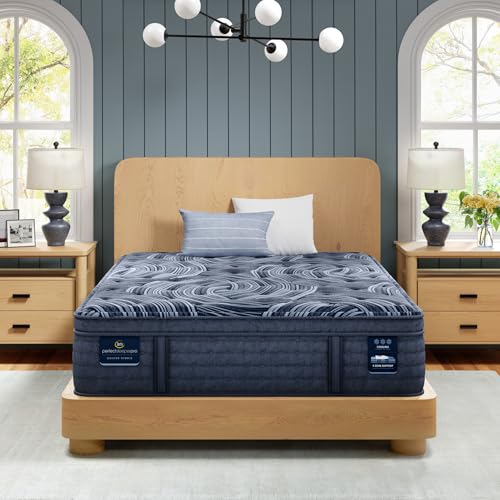
Compatible and Certified: Our king size hybrid mattress works well with most bed frames, including traditional frames, box springs, platform frames, slatted frames, bunky boards, and adjustable frames; CertiPUR-US Certified

World’s First 5-in-1 Modular Galvo Laser System: Creality T1 is the only modular galvo laser engraver on the market, supporting 5 interchangeable laser modules: Diode 20W/40W, Fiber 20W, MOPA 60W, and UV 5W. One machine, multiple laser sources—buy the base once and scale your business by simply upgrading modules. A truly future-proof solution for growing creators, makers, and small businesses.

Crafted in 100% solid moso bamboo; Contains no MDF, plywood, or Particle Board
Impact on Mattress Performance

The type of bed base greatly affects mattress performance. Platform frames offer a sturdy foundation directly supporting the mattress. This eliminates the need for a box spring and reduces sagging risks, enhancing mattress longevity. Traditional bed frames rely on box springs, which may create inconsistent mattress support. This impacts comfort and spinal alignment, making proper slat spacing essential. Verify slats are no more than three inches apart for even weight distribution. Platform frames are also ideal for small spaces, maximizing usability. Memory foam mattresses perform better on solid or closely spaced slatted platforms. Avoid box springs that retain heat, as they can negatively affect temperature regulation in sensitive materials, like memory foam. Choose wisely for peak sleep quality. When selecting a latex hybrid mattress, consider material quality and certification, such as GOLS and FSC, to ensure durability and safety.
Recommended Products
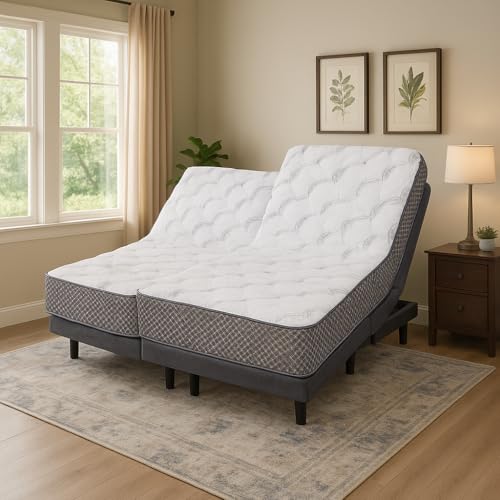
ADJUSTABLE BASES: Upper Body Incline up to 60 degrees - Lower Body Incline up to 40 degrees 2 - Controls (one for each side), Dual Massage, 3 presets, USB ports on each side, Zero Gravity, No Snore, Phn App can control bed Under bed light

PATENTED TILT TECHNOLOGY – Sleep comfortably on your side or stomach while elevating your upper body to ease congestion, snoring, and heartburn with our patented Tilt Technology.

Crafted in 100% solid moso bamboo; Contains no MDF, plywood, or Particle Board
Aesthetic Differences Between Bed Frames and Platforms
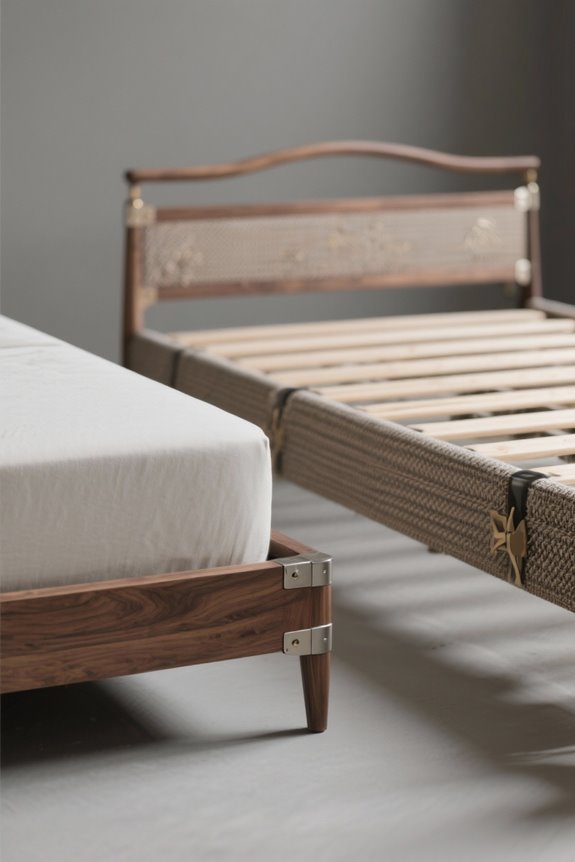
Aesthetic differences between bed frames and platforms are significant and should influence personal choices. A new bed frame offers various decorative elements for aesthetic customization. Traditional styles, such as wooden frames or metal beds, deliver a classic look. Bed frames can feature ornate headboards, footboards, and intricate carvings. This allows for personalization in traditional or adaptive bedroom styles. In contrast, platform bases focus on a minimalist design with sleek silhouettes. They generally prioritize function over visual appeal, creating a modern aesthetic. The height of bed frames varies greatly, accommodating various decorative features. Decide what style aligns with your preferences. Choose wisely, as the aesthetic can transform the entire bedroom environment. Make your selection based on desired design and functionality. Some canopy bed frames come with built-in features such as LED lights for ambiance or under-bed storage to maximize space efficiency.
Height and Accessibility Considerations
Height directly impacts accessibility in choosing between bed frames and platforms. Standard bed frames usually range from 20 to 24 inches high, making it easier to get in and out of bed. This height is beneficial for those without mobility issues. Conversely, platform beds are generally lower, around 10 to 15 inches, which may pose challenges for individuals with mobility issues. Consider how height affects comfort and ease of access. Elevated bed frames also accommodate under-bed storage, optimizing space in smaller rooms. Additionally, proper height enhances airflow under the mattress, aiding in temperature regulation. When selecting your bed, evaluate how height contributes to your overall bedroom functionality and supports your lifestyle needs.
Durability and Maintenance Requirements
When selecting a bed, durability and maintenance requirements should be key considerations. Traditional bed frames often need regular inspections to check for sagging slats or loose box springs, which can compromise sleep support. In contrast, platform beds feature solid frameworks or closely spaced slats, reducing sagging and extending support without frequent upkeep. Wooden frames may require periodic tightening of joints and treatments against pests, while metal frames usually offer enhanced durability with less maintenance. Upholstered platform beds should be cleaned regularly to manage dust, whereas solid wood or metal frames are easier to wipe down. Overall, platform beds typically provide better long-term durability, potentially lowering replacement costs compared to traditional bed frames that may need more frequent replacements. Additionally, hypoallergenic options in bed products, similar to those in nasal strips, can be beneficial for individuals with sensitive skin, ensuring comfort and reducing irritation.
Compatibility With Mattress Types
Often overlooked, compatibility with mattress types is vital for best sleep quality. Memory foam and latex mattresses perform ideally on platform beds, which provide a solid foundation for your mattress and guarantee consistent support. Innerspring mattresses, however, benefit from box springs due to their shock absorption capabilities. Hybrid mattresses are versatile, compatible with both platform bases and box springs, depending on preferences for firmness and elevation. Using the wrong bed base may void your mattress warranty, making it imperative to choose correctly. For specific sleep posture needs, check guidelines provided by manufacturers. Additionally, adjustable beds offer unique options for customizing support, but always verify compatibility with your selected mattress type to secure a restful night’s sleep. It is important to note that organic latex mattresses are naturally resistant to dust mites and mold, reducing allergy symptoms and promoting healthier sleep.
Recommended Products

UNBEATABLE VALUE – Comfort meets value with this mattress and platform bed frame. This mattress is also available as an 6-inch, 8-inch, 12-inch mattress, making it the perfect fit for any bedroom—from a kid’s room to a primary suite.

ADJUSTABLE BED FEATURES : Split Queen zero gravity adjustable bed bases designed for independent comfort on each side of the bed. Features include dual controls, head and foot articulation, four preset positions, zero gravity, and a relaxing massage function. Supports up to 800 lbs lifting capacity, includes three adjustable leg heights, under-bed lighting, dual phone ports

COMPLETE SPLIT QUEEN SYSTEM: Split queen 30" x 80" adjustable bed set includes two 11" medium firm hybrid mattresses and a massaging base with zero-gravity positioning for customized comfort and support
Choosing the Right Option for Your Sleep Needs
Selecting the right bed frame or platform is essential for optimizing sleep quality. When choosing the right bed, consider your mattress type. Platform beds typically provide solid or slatted surfaces that support your mattress well, especially for foam and latex options. In contrast, traditional bed frames usually require a box spring, offering better shock absorption for innerspring mattresses. Assess different sleep positions as well; side sleepers often prefer the flexibility of platform beds, while back sleepers benefit from the support of traditional frames. Remember, platform beds are lower to the ground, suitable for modern aesthetics and smaller spaces. Confirm your choice provides adequate support for a foundation that promotes better sleep and aligns with your personal comfort preferences. Many models, such as those offered by PELONIS, provide energy-saving features for cost-effective operation.
Recommended Products
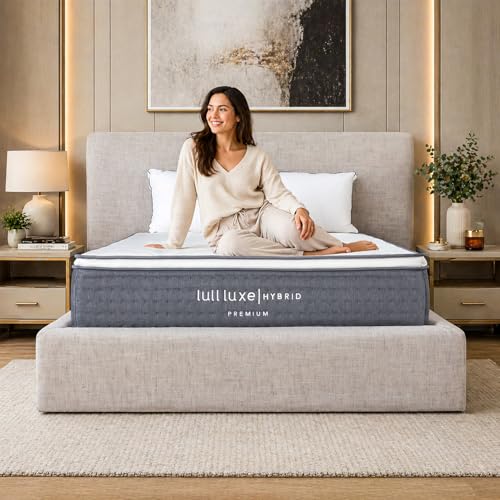
HIGH-DENSITY MEMORY FOAM FOR ULTIMATE COMFORT & SUPPORT: The Lull 7 layered best queen mattress with 15 Inch Memory Foam offers the perfect balance of comfort and therapeutic support with its high-density memory foam. Designed to adapt to all sleeping positions, it promotes healthy spinal alignment for a restful sleep. This medium-firm queen mattress provides optimal support and ideal for individuals who want a mattress that combines luxury and comfort.

All solid wood construction from kiln dried Sengon Tekik wood with a clear, matte lacquer finish

BestEdge Foam Encasement Technology: This king bed mattress provides an extra-deep foam rail to help reduce edge roll-off and extend the sleep surface
Frequently Asked Questions
Can a Bed Frame Affect Your Sleep?
A bed frame greatly influences sleep quality. The right frame guarantees mattress compatibility, optimizing sleep posture while delivering pressure relief. Its height, movement isolation, and durable materials create a serene environment essential for restful, restorative slumber.
What Are the Disadvantages of a Platform Bed?
Platform bed drawbacks include stability concerns, height restrictions, and limited mattress compatibility. Aesthetic limitations and storage issues may arise, while noise factors might emerge from the minimalist design, potentially affecting overall comfort and sleep quality.
What Is the Difference Between a Platform Bed Frame and a Regular Bed Frame?
In a world of hardwood castles, platform beds offer modern advantages with low heights and minimalist designs, while traditional frames provide ornate elements. They differ in mattress compatibility, assembly complexity, and price, appealing to diverse preferences.
How to Make a Platform Bed More Stable?
To enhance stability in a platform bed, employ stabilizing techniques like using robust frame materials, ensuring proper weight distribution with support slats, performing DIY modifications, and selecting mattress compatibility alongside aesthetic enhancements for improved structural integrity.