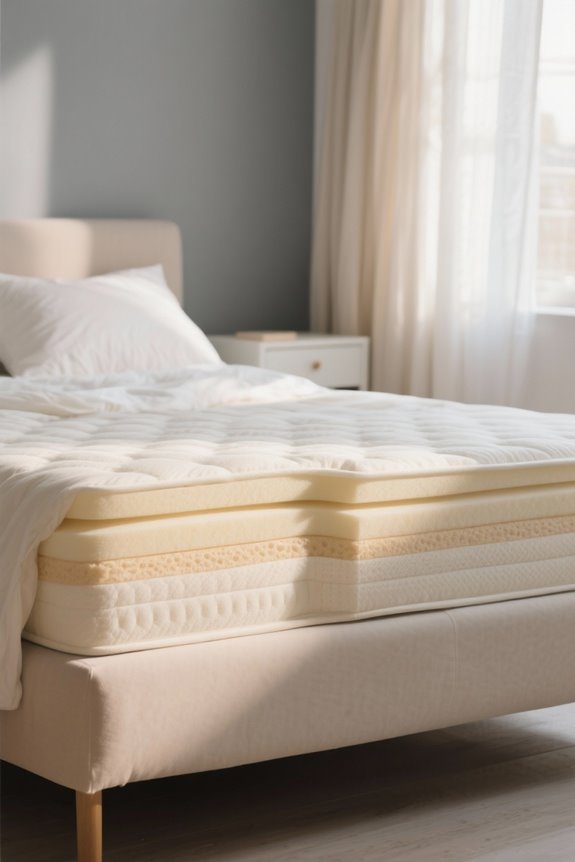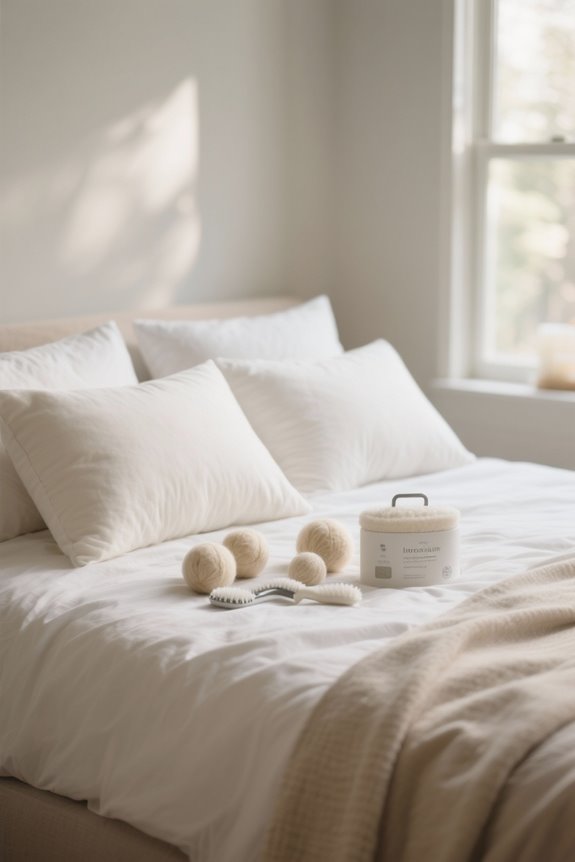

To maintain pillows effectively, clean them every 3 to 6 months. Use gentle machine cycles or hand-wash with mild detergent. Dry pillows on low heat, adding dryer balls for fluffiness. Regularly fluff pillows daily to keep them comfortable and encourage shape retention. Utilize allergen-resistant covers to reduce dust mites and allergens. Vacuum pillows occasionally to prevent buildup. Follow these practices to enhance longevity and comfort. Further methods can improve your pillow care routine.
Key Takeaways
- Regularly fluff pillows daily to maintain their shape and distribution of filling for optimal comfort.
- Use dryer balls when drying pillows to keep them fluffy and prevent clumping.
- Clean pillows every 3 to 6 months to reduce allergens and dust mites effectively.
- Apply allergen-resistant covers to pillows for enhanced protection against allergens.
- Ensure pillows are thoroughly dried on low heat to prevent mold growth and maintain hygiene.
How Often Should You Clean Pillows?
How often should one clean pillows? It is recommended to clean pillows every 3 to 6 months. This regular cleaning helps eliminate dust mites and allergens that thrive in warm, moist environments. To maintain cleanliness, vacuuming pillows lightly each month can effectively remove dust and reduce accumulation. Additionally, using pillow protectors that can be washed regularly dramatically decreases the frequency of cleaning pillows. For added protection against allergens, consider using hypoallergenic materials in your pillow protectors. When minor stains occur, perform immediate spot cleaning with a mild solution to prevent setting, which may prolong the need for full washing. Following these guidelines not only removes allergens but also extends their lifespan, ensuring pillows remain fresh and supportive for a longer period.
Preparing to Clean Your Pillows

Before beginning the cleaning process, it is essential to prepare properly. First, check the care instructions on your pillows. This guarantees that their materials remain unharmed during washing. Gather essential cleaning supplies, including mild detergent and water. A front-loading washing machine is recommended for cleaning to minimize agitation and prevent damage. Inspect for stains on your pillows that may require spot cleaning prior to washing. Complete any necessary spot treatments before proceeding. Also, remember to air out your pillows between washes to help reduce allergens and moisture. This practice extends the lifespan and maintains hygiene. Finally, verify that your pillows are machine washable to avoid any complications during the washing process. Consider using pillowcases made from natural fibers like cotton, which are preferred for comfort and breathability, to further enhance your pillow maintenance routine.
How to Wash Pillows in the Washing Machine

Washing pillows in a machine requires following specific steps to guarantee cleanliness and care. First, check the care label to confirm if the pillows are machine washable. Use a front-loading washing machine on a gentle cycle with warm water and mild detergent for down and feather pillows. Make sure to wash an even number of pillows for balance. For synthetic pillows, a more vigorous cycle with hot water is acceptable. After washing, rinse thoroughly and consider an extra spin cycle to eliminate excess moisture. When drying, set the dryer to low heat. Add dryer balls or tennis balls to the dryer to help maintain fluffiness and prevent clumping as the pillows dry. Allergy protection features are vital for individuals with sensitivities, ensuring a healthier sleep environment as you maintain your pillows.
Recommended Products

WINTERWEIGHT: Hypoallergenic PrimaLoft Luxury Down Alternative fill mimics the weight and gentle loft of down. Choose from three weights to suit your ideal sleep temperature. Available in Full/Queen and King/California King sizes

Luxuriously Soft Organic Cotton: Crafted from 100% GOTS certified long staple organic cotton in a smooth sateen weave, this duvet cover offers a silky-soft touch with a subtle sheen. Naturally breathable and cozy, it’s ideal for cool sleepers seeking all-night comfort.

Cloud-Like Softness & Warmth – Crafted from thick, brushed organic cotton, these luxurious flannel sheets feel like cashmere for your bed, delivering velvety warmth and cozy comfort for a restful night's sleep.
How to Hand-Wash Pillows

Hand-washing pillows offers an alternative method for maintaining cleanliness and care. Begin by filling a basin or large sink with warm water mixed with a mild detergent. Submerge the pillows gently and press down repeatedly to release dust and oils. Avoid twisting or wringing the pillows, as this can damage the filling. Rinse thoroughly under running water until all soap is removed; residual soap can irritate the skin. After washing, allow the pillows to air dry in a well-ventilated area. Do not expose them to direct sunlight or heat sources. To maintain fluffiness, regularly fluff the pillows during drying. Ascertain they are completely dry before using them again to prevent mold and mildew growth. Gusseted down alternative pillows often have enhanced structural integrity, which helps them retain their shape better and last longer.
Recommended Products

100% Pure Mulberry Silk 25 Momme - Compared to 19 Momme, 25 Momme silk has almost 30% more silk per square inch. That results in a more durable, longer lasting silk. Silk's natural properties help to keep skin moisturized and hair smooth

【100% PURE MULBERRY SILK】THXSILK 25-momme 100% mulberry silk sheets are constructed with natural protein fibers. 25-momme silk outshines 19/22-momme alternatives with its denser weave, delivering richer luster, superior durability against snags and wear, and a luxuriously fluid drape that retains shape beautifully—making it the premium choice for timeless quality that feels as exceptional as it looks. Through OEKO Tex certification, ensure that fabrics are made from healthy and natural material.
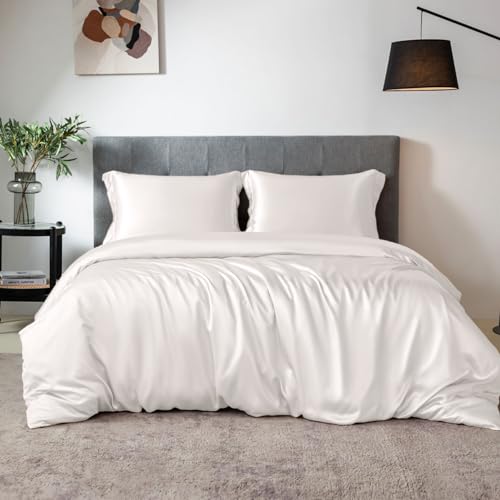
PACKAGE INCLUDES: You will have an exquisite california king size set includes: 1 Duvet Cover (110" x 96"), 1 Fitted Sheet (72" x 84" + 16"), 2 Pillow Shams(20" x 40" + 2"). The depth of the bedsheet is 16 inches, which can effectively secure the mattress.
How to Properly Dry Pillows

Drying pillows correctly is essential to confirm they retain their shape and comfort. First, wash them regularly to maintain cleanliness. When drying, use dryer-safe alternatives like dryer balls or rolled-up towels. These help keep pillows fluffy and prevent clumping. Set your dryer to a low heat setting to avoid damage. Always verify the care label instructions to align with the pillow’s fabric and fill type. Avoid overloading the dryer; this guarantees even drying and ideal airflow. Regularly check pillows during the drying process to remove excess moisture. This prevents cool spots, which can lead to mildew. Following these steps diligently will enhance pillow care and prolong their lifespan considerably. To improve your sleep environment, consider incorporating a mental health journal to track sleep quality, mood, and stressors, which can contribute to better sleep hygiene.
Recommended Products

LUXURIOUS SUPER SOFT PLUSH MICROFIBER - The comforter is made with premium quality cotton-feel brushed microfiber for an amazing night’s sleep

REDISCOVER THE SIMPLE LUXURY OF DEEP SLEEP - Crafted from 100% microfiber, Ayelet queen size comforter set envelops you in a whisper-soft embrace softness and warmth. Plus the color block design creates a visually clean, calming, and aesthetically pleasing environment that promotes relaxation and reduces stress. Imagine drifting off to sleep surrounded by the luxurious comfort.

Loomed from long loops of pure organic cotton, our best-selling towel embraces you in the natural performance of premium fibers. A twill weave enhances the natural variations in texture for drying off quickly and efficiently. Durable and dense, Air Weight’s full range of colors elevates your bathroom with superior absorbency that only gets better with time
Long-Term Pillow Maintenance
To guarantee pillows remain comfortable and last longer, regular maintenance is essential. Fluffing pillows daily can help redistribute the filling and maintain their shape. Use wear-resistant pillow protectors to keep your pillows clean and reduce allergens. Aim to wash pillows every three to six months. This not only combats dust mites but also enhances the life of your pillows. Hypoallergenic options are recommended for allergy relief and maintaining a clean sleep environment. Every few months, air out your pillows to reduce moisture buildup. Utilizing dryer balls, like tennis balls or wool dryer balls, during drying helps keep your pillows fluffy and prevents clumping. Remember, different types of pillows may require specific care, so always read the labels for tailored instructions to guarantee effective long-term pillow maintenance.
Tips to Keep Pillows Fluffy and Fresh Longer
Pillows remain fluffy and fresh longer when proper care is applied. Regularly use pillow protectors to prevent stains and reduce dust. This minimizes the need to clean your pillow frequently, helping to maintain pillow fluffiness. Fluff pillows daily to redistribute the filling, preventing clumping. Rotate different types of pillows during use for even wear and enhanced comfort. Store extra pillows in breathable containers to combat mustiness and maintain their freshness. When drying pillows, limit dryer loads to guarantee even fluffiness; consider adding dryer balls for better results. Hypoallergenic pillow protectors help reduce exposure to dust mites, pollen, and pet dander, extending the life of pillows and enhancing overall sleep quality by reducing allergens. Finally, clean your pillows as recommended by the manufacturer, following any specific guidelines to extend their lifespan and keep them in top condition.
Recommended Products

Pillow Encasement Pack of 40 - Perfectly fits Queen sized pillow, measuring 20 by 28 inches each

DEEP SOFT (DS) TALALAY LATEX PILLOW: Made from pure, sustainably harvested talalay latex, our soft latex bed pillows offer a healthy, green alternative to synthetic materials. Provides a naturally supportive and comfortable sleep experience. Enjoy peace of mind knowing you’re choosing a product that is both good for you and the planet.

Moisture-Wicking Technology: The Dri-Tec removable cover of the Bedgear Balance Performance Pillow features lightweight, moisture-wicking fibers that pull moisture away from your body, keeping you dry and comfortable throughout the night.
Alternatives to Tennis Balls for Drying Pillows
Finding effective options to replace tennis balls when drying pillows can greatly enhance the drying process. Suitable alternatives to tennis balls include wool dryer balls, which are natural and reusable. They help prevent clumping and improve airflow. Consider using rolled-up towels for gentle agitation, as they maintain pillow loft and prevent fills from sticking together. Lightweight sneakers or dryer-safe shoes can also fluff down-alternative fills effectively. Clean t-shirts or sweaters provide soft agitation, reducing fabric damage while encouraging even drying. For ideal results, combine multiple alternatives, like wool dryer balls and towels. Remember, different pillows require different approaches when washing your pillows. Additionally, opt for high-density foam in roll-up mattresses to improve spinal alignment and enhance the overall sleeping experience. Using heat appropriately can maximize fluffiness and prolong the lifespan of bed pillows.
Recommended Products
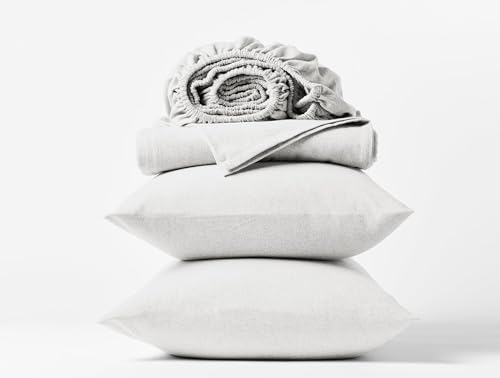
Cloud-Like Softness & Warmth – Crafted from thick, brushed organic cotton, these luxurious flannel sheets feel like cashmere for your bed, delivering velvety warmth and cozy comfort for a restful night's sleep.
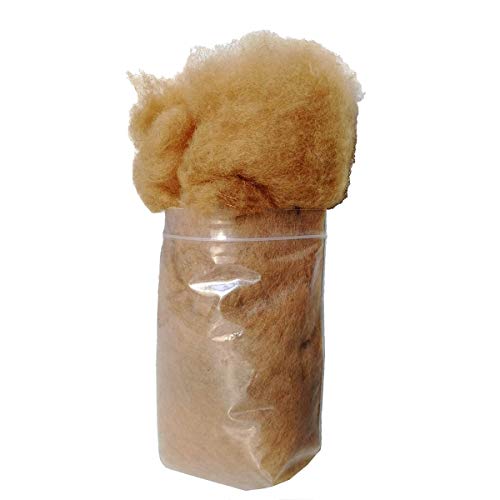
100% Natual Camel Wool, taking from the belly fine hair of the Mongolian Camel. Natual brown — CLEANED & CARDED

100% Organic Cotton – GOTS & Fair Trade Certified Made with long-staple organic cotton, sustainably grown and ethically woven. Free from harmful chemicals, these sheets are a safe, eco-conscious choice for your home and family.
Frequently Asked Questions
Do Dryer Balls Help Fluff Pillows?
Dryer balls effectively assist in pillow care by enhancing pillow drying and fluffiness. They prevent clumping in various pillow types during drying, offering a maintenance tip alternative to fabric softeners for achieving fluffy pillows post washing.
What Is the 2 2 1 Pillow Rule?
Ironically, while people cling to their old pillows, the 2 2 1 rule suggests replacing one of every two pillows every two years. This helps manage allergen sources and extends pillow lifespan through proper maintenance tips and care instructions.
What Can I Use Instead of Dryer Balls for Pillows?
Instead of dryer balls, one can utilize rolled-up towels, lightweight sneakers, or clean t-shirts for effective pillow care. These natural alternatives enhance fluffiness, support longevity, and provide practical laundry tips for ideal drying methods and fabric considerations.
Does Washing Pillows Get Rid of Allergens?
Washing pillows every 3 to 6 months greatly reduces allergens, such as dust mites, across various pillow materials. Using hypoallergenic cleaning solutions and effective drying techniques enhances allergen resistance, positively impacting allergy types and sleep quality.