

Potty training at night requires effective tools such as bed wetting alarms, absorbent pads, and protective bedding. Use alarms to help children recognize a full bladder and wake up on their own. Incorporate waterproof covers for mattresses and quick-change pads for easy cleanup after accidents. Establish a consistent bedtime routine to foster success. Track progress with charts to motivate your child. For additional techniques and strategies, explore further resources and expert advice on nighttime training.
Key Takeaways
- Bedwetting alarms effectively train children to wake up and recognize a full bladder, achieving a long-term success rate of 60-80%.
- Waterproof mattress covers and absorbent pads are essential for protecting the mattress and ensuring easy cleanup of nighttime accidents.
- Involve children in the potty training process to promote ownership and motivation for consistent nighttime routines.
- Establish a calming bedtime routine to reduce anxiety and encourage peaceful sleep, aiding in successful potty training at night.
- Celebrate small milestones, such as dry nights, to reinforce positive behavior and build the child’s confidence throughout the training process.
Understanding Bed Wetting Alarms
Bed wetting alarms are effective tools for managing nighttime enuresis. They detect moisture and alert the child, helping link a full bladder to waking up. For successful nighttime potty training, choose from wired, wireless, or bell-and-pad models. Each offers unique comfort and usability options. Incorporate the alarm into your child’s routine to support their progress. Consistent use may achieve a long-term cure rate of 60-80%. Alarms emit sound and vibration to guarantee the child awakens. Select hypoallergenic sensors for easy cleaning and enhanced reliability. Familiarize your child with how the alarm works for maximum effectiveness. Monitor their progress regularly to provide encouragement and adjustments. Establish a routine that maintains motivation and reinforces the goal of nighttime dryness. For added protection, consider using eco-friendly and non-toxic bed bug sprays on bedding to ensure safety and cleanliness.
Benefits of Using a Bed Wetting Alarm

Using a bed wetting alarm offers numerous benefits in the journey to nighttime dryness. These alarms have a long-term cure rate of 60-80% for bedwetting. They train a child’s brain to recognize a full bladder, leading to better awareness. When moisture is detected, the alarm emits auditory or tactile signals, prompting the child to wake up and use the bathroom. Regular use of a bed wetting alarm promotes independence by encouraging active management of bedwetting. Additionally, incorporating this device into a nighttime routine reinforces bathroom habits. Modern bed wetting alarms feature improved technology, offering efficient moisture detection that surpasses traditional models. Consider using an alarm to support your child’s path to staying dry overnight. Furthermore, waterproof barriers like those found in zippered allergy mattress protectors can safeguard mattresses from spills and liquid contamination, ensuring a clean and comfortable sleep environment.
Choosing the Right Bed Wetting Alarm for Your Child
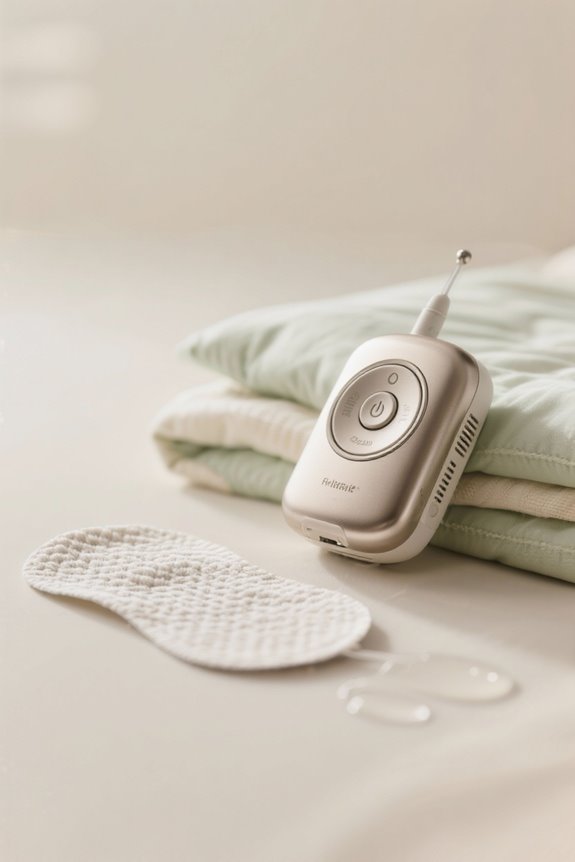
Selecting the right bed wetting alarm is crucial for effective nighttime potty training. Begin by deciding between wired and wireless models for your child’s comfort. Wired alarms may be cumbersome, while wireless options allow for more freedom of movement. Look for bedwetting alarms with both sound and vibration alerts to enhance effectiveness. Choose a sensor that is hypoallergenic and easy to clean, which will help maintain hygiene. Assess the size and portability of the alarm, especially for travel and sleepovers, ensuring consistency in night time potty training. For additional protection during the training process, consider using waterproof mattress encasements that provide a barrier against spills and accidents. Finally, review the alarm’s specific features, such as volume levels and warranty options, to select a reliable option that meets your child’s needs effectively.
Recommended Products

Unlimited Access: Includes unlimited license for the interactive software program (designed for one patient).

Our Most Advanced System - Completely Invisible: The bed sensor pad goes UNDER the mattress, hidden from sight and feel. No wires or sound at the bedside, no pad to crinkle, nothing for your loved one to push away. Plus a chair sensor pad for total coverage. Lunderg sends every alert wirelessly to a pager YOU carry.

No Wire. No Bedside Blast. No Holding Them Back: Federal CMS guidance classified in-room bed alarms as a potential restraint - loss of dignity, agitation, fear. They were phased out in 2017. Lunderg sends every alert wirelessly to a pager YOU carry. Your loved one keeps their dignity. You keep your peace of mind.
How to Properly Use a Bed Wetting Alarm
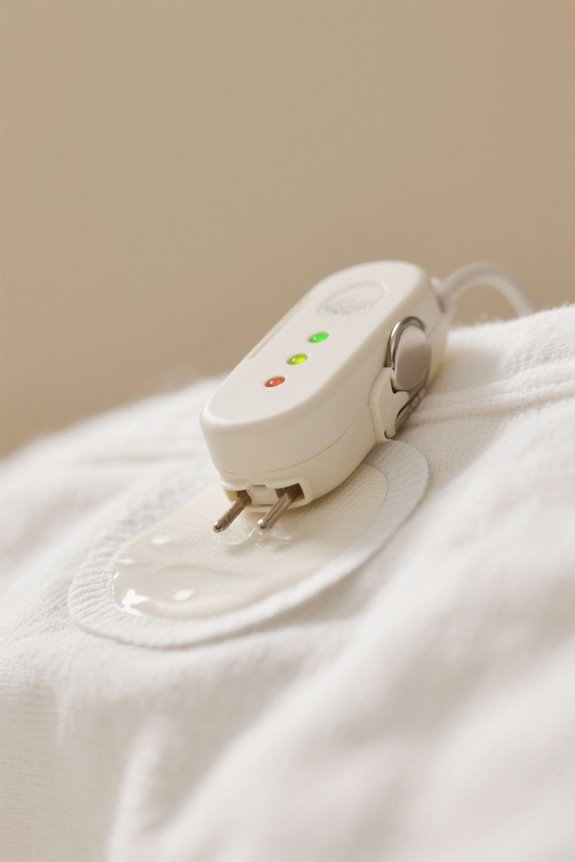
Proper use of a bed wetting alarm can greatly aid in nighttime potty training. Begin by securely attaching the sensor to the child’s underwear, ensuring it maintains contact to accurately detect moisture. Next, connect the sensor to the alarm unit nearby, allowing it to promptly alert the child when wetting occurs. Be sure to follow the manufacturer’s instructions for setup, including adjusting volume levels according to the child’s sensitivity. Involve your child in the process; this helps them feel motivated and in control. Consistently use the alarm every night to reinforce learning. Gradual exposure will help the child wake for bathroom needs, ultimately leading to successful nighttime dryness with the effective use of bedwetting alarms. Additionally, consider using a waterproof mattress protector to safeguard the bed from any accidents during the training process, ensuring a clean and comfortable sleeping environment.
Recommended Products

Large Size & Enhanced Coverage -- Our bedwetting monitor features an extra-large 80*60cm waterproof pad, providing superior coverage and protection for beds of all sizes. Perfect for kids bedwetting solutions or adult incontinence care.

Durable & Versatile Design: The waterproof urinary pad protects against spills and stains, making it perfect for all types of accidents. Once your child has overcome bedwetting, the mat can still be used as a regular urinary pad, adapting to your family's needs over time.

Our #1 Recommended Alarm. This alarm combines light, sound and vibration to help even the deepest sleeper wake. Gives you the option of choosing either eight variable tones or a single tone to wake your child.
Essential Bedding Protections for Nighttime Training

To guarantee a successful nighttime potty training experience, it is essential to implement effective bedding protections. Start with waterproof mattress covers and plastic mattress protectors to shield against accidents. Layer the mattress with extra sheets and absorbent bed pads for quick changes. This method minimizes disturbances during sleep. Choose high-quality materials that endure frequent washings, ensuring hygiene and comfort. Regularly wash all bedding protections with mild detergents to prevent stains and odors. Monitor for any signs of wear or damage. Explain these protective measures to your toddler to ease their shift to nighttime training. Combine these strategies with bed wetting alarms for additional support in their training journey. Careful preparation can lead to successful outcomes. Consider using protectors with high customer satisfaction ratings to ensure a reliable and comfortable night’s sleep for your child.
Recommended Products

7-Piece Set Includes: Convertible Crib | 6-Drawer Dresser | Crib Mattress | Sheets | Changing Top | Changing Pad | Crib converts to toddler bed, daybed and sofa (Daybed/Sofa and Toddler Rails included)

6-PIECE SET INCLUDES: Convertible Crib | 3-Drawer Dresser | Crib Mattress | Fitted Sheets | Changing Top | Changing Pad | Crib converts to toddler bed, daybed and sofa (Daybed/Sofa/Toddler Guardrail not included)

Sleep Essentials: Tuft & Needle knows that a good night’s sleep starts with the essentials. With the Tuft & Needle Kin 10" Hybrid Bundle you will get (1) Tuft & Needle Kin 10" Hybrid Medium Plush California King Size Adaptive Foam Mattress, (1) California King Size Waterproof Mattress Protector, and (2) King Size Down Alternative Pillows.
Strategies for Creating a Supportive Sleep Environment
Creating a supportive sleep environment is essential for successful nighttime potty training. Begin by shifting your child to a toddler bed. This change encourages independence and provides easier access for nighttime potty trips. Establish a consistent bedtime routine that includes calming activities like reading or gentle stretches. This routine fosters a peaceful atmosphere conducive to better sleep and bladder control. Safety-proof the child’s room to allow for safe navigation to the bathroom during the night. Additionally, incorporate visual aids such as color-changing nightlights or alarm systems. These tools help children understand bedwetting rules while alleviating nighttime fears. For outdoor adventures, using a mosquito net with 360 coverage ensures a restful sleep free from insect disturbances. A well-structured sleep environment enhances confidence and maximizes the chances of success during nighttime potty training.
Managing Nighttime Accidents: Tips and Tricks
Managing nighttime accidents requires practical strategies and preparation. First, protect the bed by using waterproof mattress covers and layering absorbent pads. This helps simplify clean-up during bedwetting incidents. Keep extra changing pads nearby for quick access, reducing interruptions during the night. Maintain a positive atmosphere while supporting your child’s training. Celebrate small achievements to build their confidence. Establish a regular cleaning routine for protective covers, washing them with mild detergent to guarantee hygiene and protect sensitive skin. Consider selecting protectors made from breathable materials like organic cotton to enhance comfort and ensure a hygienic sleeping environment. Assess your child’s readiness and sleeping patterns closely to set realistic expectations. This evaluation aids in effectively managing nighttime accidents and supports the potty training process, guaranteeing a smoother experience for both the child and caregiver.
Recommended Products

Sleep Essentials: Tuft & Needle knows that a good night’s sleep starts with the essentials. With the T&N Original Hybrid Mattress Bundle you will get (1) Tuft & Needle Original Hybrid Medium California King Size Adaptive Foam Mattress, (1) California King Size Waterproof Mattress Protector, and (2) King Size Down Alternative Pillows.
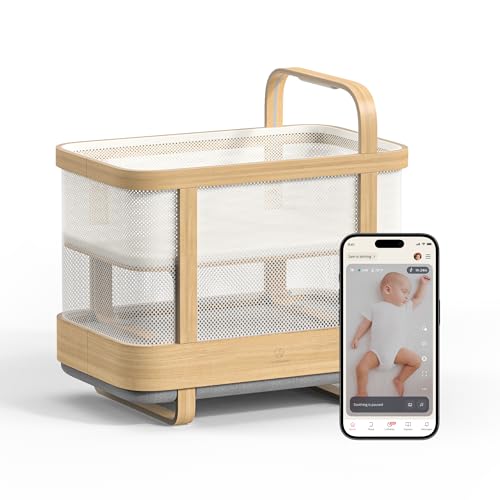
PREDICTIVE AUTO-SOOTHING TECHNOLOGY: Built-in sensors & AI camera detect early wake cues and activate a gentle bounce to soothe babies before they fully wake, supporting longer sleep stretches for both the baby and the parents

1 of Babyletto Harlow 3-in-1 Convertible Crib, White Finish and Base/Acrylic Slats
Progress Tracking During Nighttime Potty Training
Tracking progress during nighttime potty training is essential for parents. Maintain a chart to record dry nights versus wet nights. This visual tool helps reveal improvements over time. Involve children in this process; it fosters motivation and ownership. Note consistent use of a bedwetting alarm, as it aids in developing routine and bladder awareness. Celebrate small milestones, such as a successful dry night, to reinforce positive behavior and build confidence. Regularly assess the child’s progress by reviewing sleep patterns and strategies used. Make informed adjustments to nighttime routines based on these evaluations. Establish a routine—a key element in effective nighttime potty training. Clear progress tracking can lead to successful outcomes over time, enhancing the child’s development. Consider using anti-shake tools to stabilize beds and reduce nighttime disturbances, promoting a more restful sleep environment.
Common Challenges and Solutions in Nighttime Training
Nighttime potty training often presents various challenges. Deep sleep can inhibit a child’s ability to wake for their nighttime potty needs. Bedwetting alarms are effective tools to help raise awareness of bladder fullness. Parents should establish a routine, implementing protective bedding consistently. Layering waterproof covers and absorbent pads can minimize mess and reduce stress from accidents. Emphasizing a supportive environment is essential. Encourage positive reinforcement and celebrate each achievement, no matter how small. Inadequate preparation for bedtime changes can increase anxiety. Develop a calming bedtime routine and allow time for adjustments. If bedwetting persists past age five, consult a healthcare professional. Tailored strategies can enhance success in managing the child’s nighttime potty training journey. Consider using door draft stoppers to create a more peaceful environment, which can aid in minimizing disturbances during sleep.
Recommended Products
![McKesson Underpads Disposable Bed Pads 30" x 36" [500 Count], Heavy Absorbency, Ultra Incontinence Chux Pads for Adults, Elderly, and Baby, Pee Pads](https://m.media-amazon.com/images/I/51eImAwB5FL._SL500_.jpg)
Highly Absorbent Bed Pads: McKesson Ultra disposable underpads offer heavy-duty protection for severe urinary incontinence, keeping bedding, seat cushions, floors, and furniture dry and protected

EFFECTIVE PROTECTION: Guard against accidents, spills and stains. Our bed underpad stays soft, is leak proof, and absorbs all fluids. Great for those with children, pets, or incontinence.

EFFECTIVE PROTECTION: Guard against accidents, spills and stains. Our bed underpad stays soft, is leak proof, and absorbs all fluids. Great for those with children, pets, or incontinence.
Additional Resources for Parents on Potty Training
Accessing additional resources can greatly benefit parents managing nighttime potty training. Various online platforms and forums can help parents connect and share experiences regarding nighttime challenges. Blogs focused on potty training provide practical tips and anecdotal evidence to guide strategies, including the use of alarms. Parents may also consider enrolling in courses or consultations for tailored advice on bedwetting issues. Books dedicated to potty training often contain sections that specifically address nighttime challenges and preparation techniques. Bedwetting alarms, with features like customizable alert modes, can play a significant role in supporting motivation and fostering positive habits in children. Additionally, children’s health organizations and pediatricians typically offer informational pamphlets or websites with resources for effective potty training. Parents should explore these options to find the most appropriate and supportive methods for their family’s unique situation.
Frequently Asked Questions
What Is the 10 10 10 Rule for Potty Training?
The 10 10 10 rule for potty training assesses nighttime readiness by requiring consistent daytime dry periods for ten consecutive days. This indicates a child’s bladder control, suggesting they may be ready for nighttime training.
What to Put a Toddler in at Night When Potty Training?
In the dreamlike domain of sleep training, nighttime underwear emerges as a gentle guide. Parents may use these symbols of independence, encouraging toddlers to embrace the nighttime journey while fostering awareness of their growing needs.
At What Age Should a Child Be Fully Potty Trained at Night?
By ages 4 to 6, most children reach nighttime readiness, achieving full potty training largely influenced by developmental milestones. Individual variations in readiness can extend this timeframe, affected by emotional and environmental factors.
How to Protect a Mattress During Potty Training?
Like a shield against moisture, waterproof mattress covers and absorbent pads safeguard the mattress during potty training. This protective layer promotes a hygienic sleep environment, ensuring comfort and quick cleanup for peaceful nighttime routines.