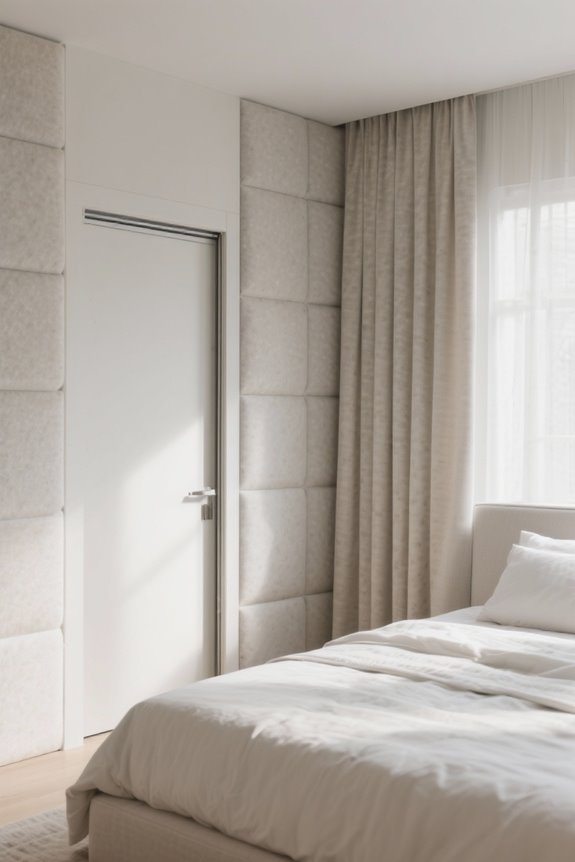

To effectively soundproof a bedroom, start with doors and windows. Use solid wood doors for better insulation and seal gaps with acoustic caulk. Hang soundproof curtains, which can absorb noise and block light completely. Incorporate thick rugs and soft furnishings to minimize ambient noise. Consider using acoustic blankets to cover hard surfaces. Finally, regularly evaluate your soundproofing methods for best results. Further insights into techniques and materials can enhance your soundproofing journey.
Key Takeaways
- Upgrade to solid wood doors and seal gaps with weatherstripping to improve sound insulation substantially.
- Use soundproof curtains and acoustic blankets to absorb external noise and maintain temperature in the bedroom.
- Incorporate acoustic foam panels to reduce echo and reverb, creating a quieter environment.
- Strategically place thick upholstered furniture and area rugs to enhance sound absorption within the room.
- Regularly evaluate and adjust soundproofing measures to ensure they effectively minimize noise intrusion.
Understanding the Impact of Noise on Sleep
Noise greatly impacts sleep quality and overall health. Excessive noise pollution can lead to serious health issues, affecting mental and physical well-being. To improve sleep, aim for bedroom noise levels below 30dB, as recommended by the World Health Organization. Implement sound insulation measures to reduce noise from outside sources. Consider sealing windows and using thick curtains to block sound. Soft furnishings, such as rugs and pillows, can also absorb noise, creating a calmer environment. For those concerned about children, reducing noise can enhance memory, reading, and speech development. Prioritize a quiet sleeping space to avoid elevated blood pressure and other health risks associated with interrupted sleep. Consider using a white noise machine with night light options to mask external sounds and create a consistent sleep routine. Design your bedroom carefully to foster restful nights and improved overall health.
Why Doors Are the Weakest Link in Sound Insulation

Doors often represent the most significant gap in a home’s sound insulation. Common internal doors are often hollow core and provide poor sound blocking capabilities. They typically have Rw values between 15-20, which means they allow noise to pass easily. External doors often have weak seals and gaps around their frames, worsening sound penetration. To improve soundproofing, consider upgrading to solid or acoustic doors, which can achieve Rw values of 42 or higher to greatly reduce sound. Additionally, seal gaps around doors using weatherstripping, caulk, and acoustic sweeps. Door Draft Stoppers are effective in minimizing drafts, reducing noise pollution, and maintaining a stable indoor climate. These soundproofing materials are essential for enhancing the effectiveness of doors in blocking noise, making your bedroom a quieter and more restful space.
Key Principles of Effective Soundproofing
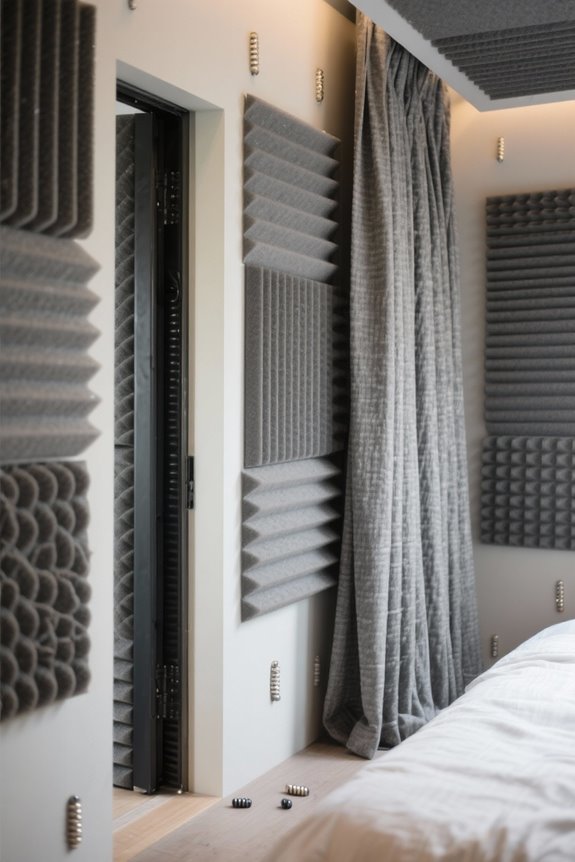
To effectively soundproof a bedroom, various principles must be understood and applied. First, increase the mass of door materials. Use solid wood doors instead of hollow core doors for better sound blocking. Second, seal any gaps around doors. Apply weatherstripping and acoustic caulk for effective noise reduction. Third, consider incorporating acoustic curtains. These heavy curtains help dampen sound waves. For ideal results, combine multiple soundproofing techniques. Along with curtains, use door sweeps and acoustic seals to create a thorough barrier. Finally, remember that each improvement contributes cumulatively. Evaluate your bedroom’s soundproofing and make adjustments as necessary. Following these key principles will greatly enhance soundproofing efforts, resulting in a quieter and more peaceful living environment. Additionally, opt for heavier fabrics such as those used in NICETOWN Noise Reducing Blackout Curtains, which significantly enhance sound absorption.
Techniques for Soundproofing Doors

While soundproofing is often overlooked, effective techniques for enhancing a door’s acoustical performance are essential. Start by sealing gaps around the door with weather stripping and acoustic caulk. Install door sweeps at the bottom to reduce sound infiltration. Consider adding mass by replacing hollow core doors with solid or acoustic models, which generally improve Rw values to 42 or above. Explore soundproofing enhancements such as Mass Loaded Vinyl (MLV) and soundproof blankets to increase sound isolation. You may also use acoustic curtains, as they reduce echo and block light, though they won’t fully seal air gaps. Combining these methods greatly contributes to soundproofing a door and minimizing noise pollution in your bedroom. Additionally, integrating a high-density memory foam cushion on seating surfaces can alleviate discomfort and promote better spinal alignment, enhancing the overall comfort and functionality of the space.
Recommended Products

Blocks noise from entering or leaving your space with soundproofing technology featuring a proven STC rating of 20. Soundsulate Mass Loaded Vinyl (MLV) is highly effective at blocking airborne sounds such as voices, music, street noise, and engine noise. Ideal for use in walls, floors, ceilings, doors, home theaters, automobiles, boats, and RVs.
✅[ NOT YOUR TRADITIONAL MLV ] - See, feel and hear the difference. The enhanced flexibility of Soundsulate Flex makes it a versatile material for addressing various soundproofing challenges in different surroundings. This material is so flexible that some may think of it as a fabric.

True Noise Barrier Performance: 1lb mass-loaded vinyl soundproofing fused to closed cell foam; blocks airborne noise from road, engine, neighbors, and equipment; STC 28 barrier layer reduces mid to high frequency transmission in floors, ceilings, and cabins
The Benefits of Soundproof Curtains
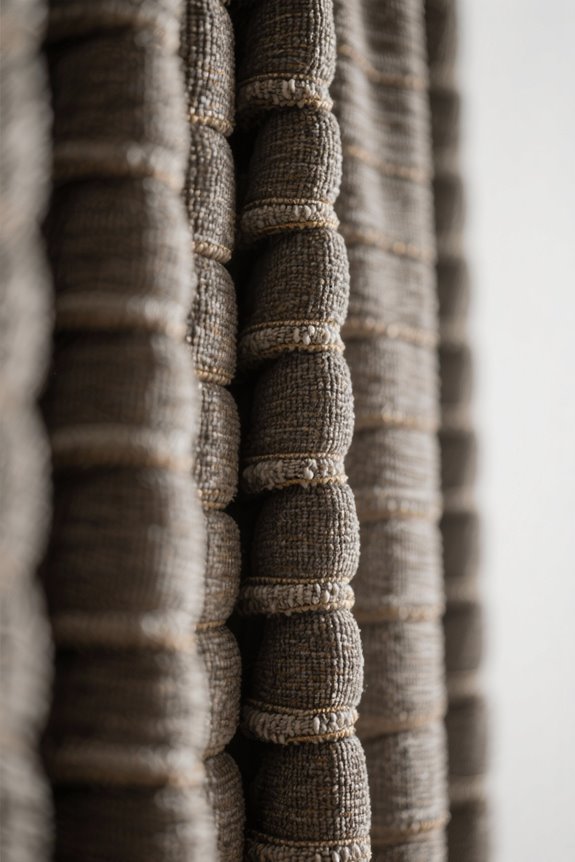
Soundproof curtains serve as an effective solution for enhancing bedroom acoustics. These curtains can reduce external noise levels by up to 21dB, considerably improving overall comfort. They excel at blocking noise from traffic and construction, ensuring a quieter living space. Additionally, soundproof curtains provide 100% blackout capabilities, which minimize light disturbances and promote restful sleep. Constructed with thick, insulated materials, they also help maintain a temperature difference of up to 12°F, contributing to a cozy environment. Customers rate soundproof curtains at an average of 4.83 out of 5, reflecting their effectiveness in noise control. When seeking a practical method to enhance sleep quality and noise reduction, consider soundproof curtains as a valuable investment. Not only do these curtains block 85%-99% of light for improved sleep quality, but they also offer thermal insulation, making them suitable for year-round use.
Recommended Products

4-IN-1 HEADER: Sold per 1 pair (2 panels). 4 kinds of hanging options (rod pocket, back tab, flat hook and hook belt) meet most hanging need. Work with with traverse rod, rod with rings or track, rod with clip rings according to your need. Come with pin hooks, but not include rod clip rings.

PINCH PLEAT TOP CURTAIN: Sold per 1 panel. Come with adjustable plastic pin hooks. 15 pleats for 80“ width; 19 pleats for 102" width; 25 pleats for 132" width; 27 pleats for 144" width; 28 pleats for 156" width; 33 pleats for 180"W; 35 pleats for 200"W; 45 pleats for 250"W. Easy to install and slide.

Blocks out Lights - If you're tired of the bright lights of day, Block Out Curtains can help you sleep during the day and still enjoy a late-night viewing experience. If you work a night shift and need to sleep during the day, these curtains are the perfect solution to block light and darken the room significantly. They can be used not only in homes where an area is used for both sleeping and entertaining, but also in homes with separate TV rooms with complete home theatre sets.
Enhanced Solutions for Windows and Doors
Enhancing soundproofing for windows and doors is essential for a peaceful bedroom environment. Start by installing solid core or acoustic doors, which are great for reducing noise with Rw values of 42+. Next, add acoustic door sweeps and weatherstripping around the door frame. This seals small gaps, greatly reducing sound leakage. For windows, use acoustic curtains that provide a 21dB noise reduction and complete blackout capabilities. Layer these curtains with thick, dense fabrics for improved sound absorption. Additionally, apply acoustic caulk or soundproof sealant around window and door frames to block any remaining sound pathways. Consider using the NICETOWN Thermal Insulated Blackout Curtains for optimal noise absorption and thermal insulation. This combination of upgrades will create a quieter and more comfortable sleeping space. Implement these strategies for ideal soundproofing results.
Recommended Products

XCLUDER RODENT PROOF ROLL-UP DOOR SEAL KIT is designed for corrugated, roll-up doors that accept a T-retainer only. Kit includes everything needed for installation: retainer, door seal, brush seal, mounting screws and instructions.

Replacement for 1983-1994 S10 Blazer & S-15 Jimmy
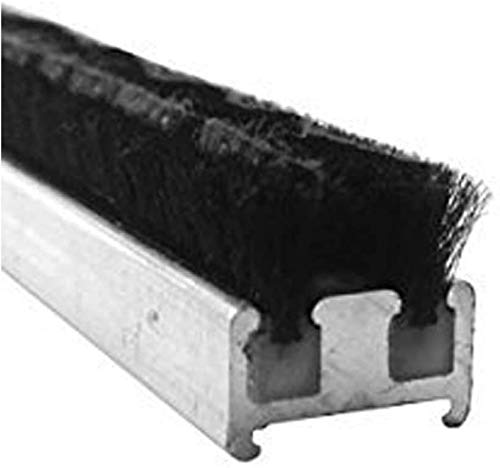
Commercial door astragal seal
DIY Methods for Upcycling Curtains for Sound Absorption
Improving bedroom sound absorption can be achieved through creative DIY methods using upcycled curtains. Start by doubling up existing curtains by folding them, which enhances thickness. Use a curtain rod that guarantees full coverage of your windows. Incorporate multiple layers of fabric by sewing sound-absorbing materials, like towels or quilted fabrics, between the upcycled curtain layers. Old duvet covers provide additional sound insulation due to their dense filling. Choose thicker fabrics, such as velour or upholstery materials, to better absorb sound frequencies. Seal any gaps around the edges of the curtains to effectively reduce noise intrusion. These methods can greatly enhance sound dampening and create a quieter, more peaceful bedroom environment. Consider using blackout canopy bed curtains for additional privacy and light blocking, which also contributes to improving the overall soundproofing of your sleeping space.
Recommended Products

SPECS - Length: 96" | Width: 80" | Material: Cotton and Polyester with Zig-Zag Stitching | Weight: 12 lbs each | Blanket and Thread Color: Black | Use: Sound Absorption, NOT Sound Blocking or Sound Proofing | NRC Rating: 0.35 | Quantity: (60) Sound Blankets

✅ Blocks out Lights - If you're tired of the bright lights of day, Block Out Curtains can help you sleep during the day and still enjoy a late-night viewing experience. If you work a night shift and need to sleep during the day, these curtains are the perfect solution to block light and darken the room significantly. They can be used not only in homes where an area is used for both sleeping and entertaining, but also in homes with separate TV rooms with complete home theatre sets.
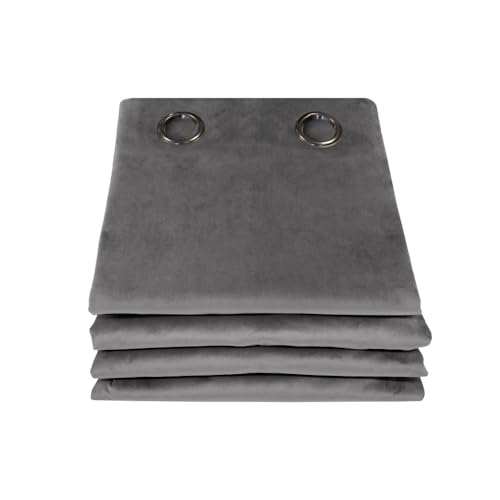
PATENTED 3-IN-1 SOLUTION | Thanks to its patented technology, this Moondream curtain provides 3-in-1 soundproofing, thermal insulation, and blackout protection. It consists of three layers with a blackout fabric, a thermal lining, and thick cotton. Highly versatile, this curtain with multiple qualities is suitable for use in bedrooms, living rooms, or to create a home office space.
Advanced Soundproofing Materials and Their Effects
When seeking effective ways to reduce noise in a bedroom, advanced soundproofing materials become essential. Mass Loaded Vinyl (MLV) acts as a limp mass barrier, dissipating sound waves efficiently. Make certain it hangs limp for maximum performance. Acoustic curtains can help reduce echoes while blocking light, though they work best with additional soundproofing methods. Acoustic blankets, noted for their higher ratings, can be easily installed above door frames to enhance insulation. Consider installing acoustic inserts within solid and acoustic doors for superior sound insulation, often achieving Rw values of 42 or greater. Finally, use acoustic caulk or weatherstripping around door frames to seal gaps. This will greatly minimize sound infiltration and guarantee a better resting environment. Acoustic foam panels, particularly those with pyramid shapes, are also effective in reducing echo and reverb, making them a valuable addition to a comprehensive soundproofing strategy.
Recommended Products

Blocks noise from entering or leaving your space with soundproofing technology featuring a proven STC rating of 20. Soundsulate Mass Loaded Vinyl (MLV) is highly effective at blocking airborne sounds such as voices, music, street noise, and engine noise. Ideal for use in walls, floors, ceilings, doors, home theaters, automobiles, boats, and RVs.

Combines 1lb/sf, 1/8" thick foil-faced mass loaded vinyl with a 2" thick quilted fiberglass decoupler.

Blocks noise from entering or leaving your space with soundproofing technology featuring a proven STC rating of 31. Soundsulate Mass Loaded Vinyl (MLV) is highly effective at blocking airborne sounds such as voices, music, street noise, and engine noise. Ideal for use in walls, floors, ceilings, doors, home theaters, automobiles, boats, and RVs.
Customer Experiences and Successful Soundproofing Strategies
Many homeowners have successfully implemented soundproofing strategies that greatly enhance their bedroom tranquility. Start with solid wood doors, which provide better sound reduction than hollow core options. Install thick blackout curtains or acoustic quilts to cover windows and doors fully. This will absorb external noise effectively, promoting better sleep quality. Incorporate additional soundproofing materials, such as mass-loaded vinyl (MLV) or acoustic door sweeps, for enhanced results. Sealing gaps around windows and doors is vital; use weatherstripping or acoustic caulk to prevent sound leakage. Finally, add thick upholstered furniture and area rugs to the room. These elements contribute to a noticeable reduction in ambient noise, creating a much more peaceful bedroom environment. For additional noise reduction, consider using high-density EVA foam pads as they are designed to absorb shocks effectively and provide durable protection against furniture movement.
Frequently Asked Questions
How to Block Sound Between Rooms in a Bedroom?
To block sound between rooms in a bedroom, implementing soundproofing techniques such as solid doors, acoustic sweeps, and heavy curtains enhances noise reduction. Additionally, thoughtful room layout with sound-absorbing furnishings can further improve sound isolation.
How to Soundproof a Bedroom Door From Inside?
How can one effectively soundproof a bedroom door from inside? Utilizing door seals, soundproofing techniques, and various DIY solutions, including acoustic caulk and heavy curtains, greatly enhances noise reduction, creating a more peaceful environment.
Does Putting Blanket by Door Muffle Sound?
Placing a blanket by the door does muffle sound, particularly based on blanket weight comparison. However, for enhanced noise reduction, it’s advisable to explore additional door insulation options and alternative soundproofing methods in combination.
What Material Can Sound Not Pass Through?
What if sound met its match? Soundproofing materials like concrete and brick act as formidable acoustic barriers, effectively blocking noise. Other effective options include Mass Loaded Vinyl and thick fabrics, enhancing overall noise reduction in various environments.