

Swaddles secure a baby’s arms and are ideal for newborns. Shift to sleep sacks when your baby shows rolling signs between 2 and 4 months. Monitor for head lifts or pushing on elbows as readiness indicators. Make certain proper swaddle fit by allowing space for two fingers. Timely switching prevents suffocation risks, promoting safe sleep and development. Choose sleep sacks with breathable fabrics and hip-friendly designs for comfort. For further insights on the process and tips, continue exploring.
Key Takeaways
- Swaddles are ideal for newborns; sleep sacks are for babies showing rolling signs, typically between 2-4 months.
- Transitioning from swaddle to sleep sack is crucial for safety once a baby begins rolling to prevent suffocation risks.
- Readiness indicators include head/shoulder lifting and pushing up on elbows during sleep, signaling it’s time to switch.
- Use sleep sacks with breathable materials and a safe fit to ensure comfort and support hip movement.
- Follow American Academy of Pediatrics guidelines for safe sleep practices until at least 12 months of age.
Key Differences Between Swaddles and Sleep Sacks
When comparing swaddles and sleep sacks, understanding their key differences is essential. Swaddles are snug wraps that secure a baby’s arms, reducing the startle reflex. They are advisable for newborns. In contrast, sleep sacks are wearable blankets that allow arm and leg movement, suitable once babies show signs of rolling. Signs of rolling typically appear between 2 to 4 months, indicating the need for a change. Sleep sacks help prevent risks associated with loose bedding, providing a safer option for active infants. Choose both options with safety guidelines in mind, guaranteeing proper fit, breathable materials, and designs that support hip health. Sustainability certifications such as OEKO-TEX and GOTS ensure that sleep products are free from harmful substances, contributing to a safer sleep environment. Adhering to AAP recommendations guarantees a safe sleeping environment as your infant rolls.
Recommended Products

PREMIUM FABRICS FOR BEST COMFORT: Our Big Kid sleep sack, made with soft Australian merino wool lining and GOTS certified organic cotton outer, helps your child stay comfortably warm and cozy in all seasons. Machine washable

Premium fabrics for best comfort: Australian merino wool lining - 100% natural, luxuriously soft, and temperature regulating. GOTS certified organic cotton outer. Machine-washable.

REDUCE OR ELIMINATE SLEEPLESS NIGHTS - When baby sleeps better, so do parents.
Timing for Transitioning From Swaddle to Sleep Sack
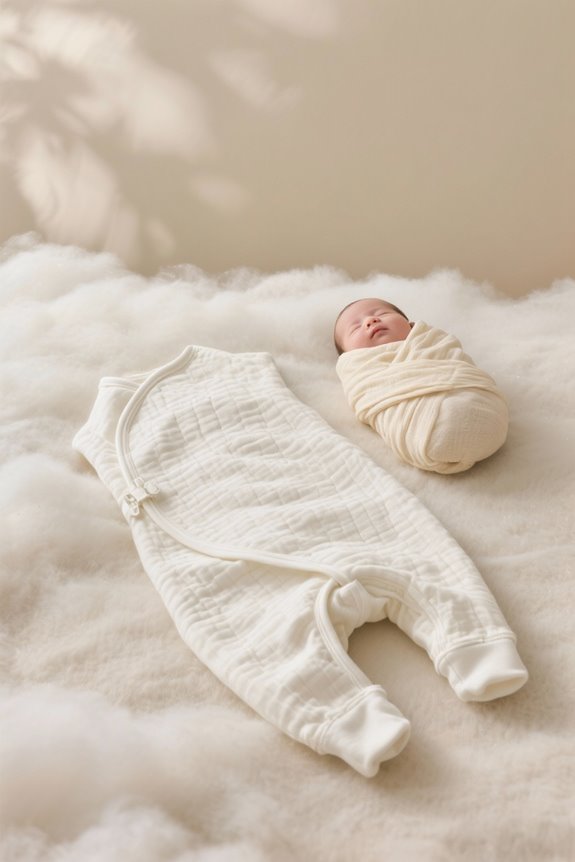
Recognizing the right moment to shift from a swaddle to a sleep sack is essential for infant safety. Babies typically show signs of rolling around 2-4 months. Continuing to swaddle after this indicates increased suffocation risk and restricts freedom of movement. The American Academy of Pediatrics advises moving to sleep sacks to create a safer sleep environment. Observe baby sleep habits; indicators for change include lifting the head and shoulders or pushing up on elbows. To ease the swaddle shift, parents might first leave one arm out of the swaddle. Choose sleep sacks that are appropriate for the infant’s size and age, and follow safe sleep recommendations until at least 12 months for ideal safety. For additional protection and improved sleep quality, consider using hypoallergenic materials in infant bedding, which can reduce allergens and contribute to a healthier sleep environment.
Recommended Products
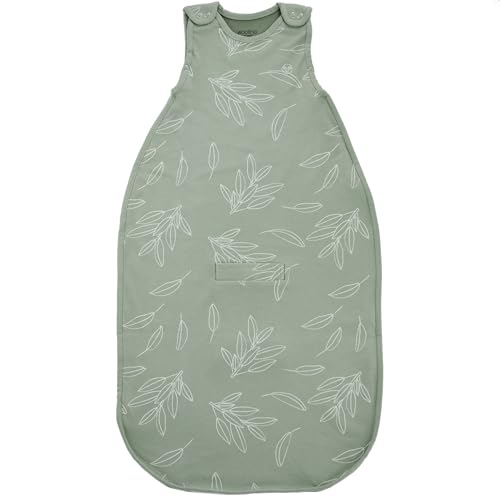
Premium fabrics for best comfort: Australian merino wool lining - 100% natural, luxuriously soft, and temperature regulating. GOTS certified organic cotton outer. Machine-washable.

#1 RATED Merino wool baby sleep sack – BEST-SELLING merino wool and organic cotton sleep sack since 2010, trusted by parents for safe sleep, comfort, and durability. Award-winning baby sleep bag (Creative Child Top Choice, Cribsie Award, Mom’s Choice Award)

REDUCE OR ELIMINATE SLEEPLESS NIGHTS - When baby sleeps better, so do parents. Made with ultra-soft, breathable merino wool, this sleep bag provides ultimate comfort for deeper, longer sleep - so everyone enjoys more restful nights
Signs of Readiness to Transition
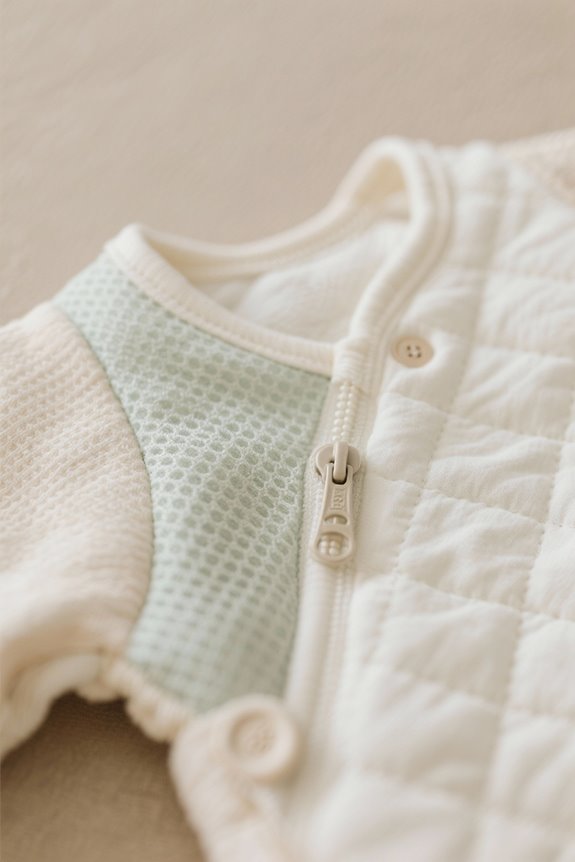
How can parents determine the right time to change from a swaddle to a sleep sack? Signs typically appear between 2-4 months after birth. Parents should watch for rolling, as it raises safety concerns. If the baby lifts their head and shoulders during sleep or pushes up on their elbows during tummy time, this indicates readiness. It is also crucial to check if the swaddle feels too tight; there should be enough space for two fingers between the fabric and the baby’s chest. As the startle reflex lessens, babies may wish to use their arms for self-soothing. Monitoring these cues guarantees a safe change and supports an effective sleep routine for the baby. Additionally, ensuring the baby’s overall sleep quality is vital, which can be enhanced by choosing appropriate sleeping aids and practices.
Importance of Timely Switching
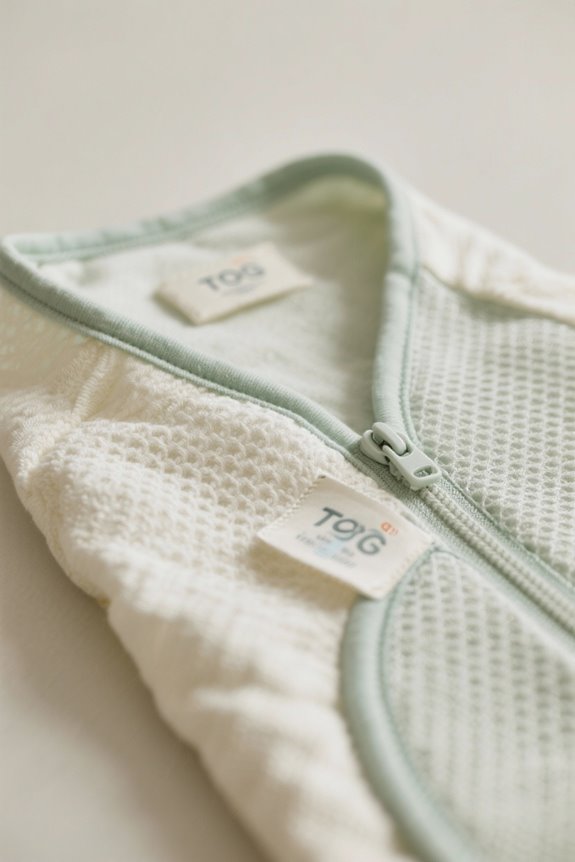
The importance of timely alteration from swaddles to sleep sacks cannot be overstated. Parents should shift as soon as they notice signs of rolling, typically between 2 to 4 months of age. The American Academy of Pediatrics recommends this change to minimize safety risks, including suffocation risk, should the baby roll onto their stomach. Swaddling restricts movement, which can be dangerous. Sleep sacks provide warmth and comfort while allowing babies to move freely. This shift supports developmental milestones, enabling exploration and self-soothing techniques, essential for developing independent sleeping skills. Making timely alterations enhances sleep quality and creates a safer environment. Observe your baby’s readiness closely to guarantee their safety and comfort during this vital change. For parents considering additional home safety measures, opting for bed canopy pest control meshes can enhance protection against insects, ensuring a peaceful night’s sleep for both the baby and the parents.
Recommended Products

Pure Comfort: Wrap your baby in luxury kids blanket with Australian merino wool lining—100% natural, soft, and temperature-regulating. The outer layer of toddler blanket is made of GOTS certified organic cotton, safe and chemical-free

REDUCE OR ELIMINATE SLEEPLESS NIGHTS - When baby sleeps better, so do parents.

Premium Materials - The baby infant sleeping bag for winter is made of organic cotton, camel wool and polyester. This product composition ensures the sleeping bag is durable, soft, and retains its softness over time. It is machine washable in cold water (<40°C) on a gentle cycle, with low-heat drying, and can withstand millions of wash cycles with less than 2% shrinkage after washing and drying at <30°C (86°F).
Supporting the Transition Process

As parents undertake the shift from swaddles to sleep sacks, it is essential to approach this process thoughtfully and systematically. Use the “one arm out” method to help your baby adjust while retaining a sense of security. Observe signs of rolling or increased interest in hand use to assess readiness for the changeover. Maintain the same bedtime routine for consistency and comfort; this familiarity will ease anxiety. Select sleep sacks made of breathable fabric, ensuring they are the right size and hip-friendly for safety. During the initial nights, offer reassurance and extra comfort to both the baby and caregivers. This structured approach will facilitate a smoother change to sleep sacks while promoting safety and comfort for the baby. Consider using a sleep sack with adjustable brightness settings to create a calming sleep environment that can be tailored to your baby’s needs.
Recommended Products
REDUCE OR ELIMINATE SLEEPLESS NIGHTS - When baby sleeps better, so do parents.

#1 RATED Merino wool baby sleep sack – BEST-SELLING merino wool and organic cotton sleep sack since 2010, trusted by parents for safe sleep, comfort, and durability. Award-winning baby sleep bag (Creative Child Top Choice, Cribsie Award, Mom’s Choice Award)

Patented 4-way Zip Design - The ONLY sleep sack with convertible legs perfect for car seats & strollers. Our exclusive zipper system (US-UK Patent) works with 5-point harnesses, eliminating dangerous loose blankets during travel. Seamlessly transition from car to crib without waking baby - a game-changer for active families.
Choosing the Right Sleep Sack
Selecting the right sleep sack is essential for a baby’s comfort and safety during sleep. Choose a sleep sack with a hip-friendly design, which allows for healthy leg movement and prevents hip dysplasia. Prioritize breathable fabrics, like cotton or bamboo, to regulate your baby’s temperature and avoid overheating. Assess the TOG rating based on your local climate and room temperature, ensuring it offers appropriate warmth without extra blankets. Verify key safety features, including zipper guards and secure closures, to minimize hazards. Always consult the manufacturer’s sizing chart for the best fit, aligning sizes with your baby’s weight and height to achieve ideal safety. This approach reduces the increased risk associated with poorly fitting sleep sacks. A TOG rating is essential to understand, as it indicates the warmth level of sleep sacks and helps in choosing the right one for different seasonal needs.
Recommended Products

#1 RATED Merino wool baby sleep sack – BEST-SELLING merino wool and organic cotton sleep sack since 2010, trusted by parents for safe sleep, comfort, and durability. Award-winning baby sleep bag (Creative Child Top Choice, Cribsie Award, Mom’s Choice Award)
Patented 4-way Zip Design - The ONLY sleep sack with convertible legs perfect for car seats & strollers. Our exclusive zipper system (US-UK Patent) works with 5-point harnesses, eliminating dangerous loose blankets during travel. Seamlessly transition from car to crib without waking baby - a game-changer for active families.

EZ Diaper Changes with WONDERZiP: Innovative full-length zipper system makes nighttime diaper changes simple—baby stays warm, covered, and calm while you zip and go. Double zip pull covers help keep baby safe and comfortable.
Safety Considerations When Transitioning
Changing from swaddles to sleep sacks requires careful consideration of safety protocols. Parents should stop swaddling once they observe signs of rolling, usually occurring between 2-4 months. Continuing to swaddle beyond this stage can increase sleep-related risks, including Sudden Infant Death Syndrome (SIDS). Shift to a sleep sack immediately, as it enables unrestricted arm and leg movement, serving as a safer alternative to loose blankets. The American Academy of Pediatrics advises infants sleep on their backs on a firm, flat surface, devoid of loose items. To ease this shift, maintain consistent bedtime routines, reassuring the baby during adjustments. Follow these guidelines to guarantee a safer and more comfortable sleep environment for your child. Consider using a whisper-quiet operation feature in devices like aroma diffusers to maintain a peaceful sleep setting for your baby.
Frequently Asked Questions
What Age Do You Transition From Swaddle to Sleep Sack?
Changing from swaddle to sleep sack typically occurs between 2 to 4 months as developmental milestones are reached. Sleep sacks provide safety benefits, supporting baby sleep patterns while soothing techniques can help during this modification.
What Is the 3-3-3 Rule for Baby Sleep?
The 3-3-3 rule outlines sleep stages for infants: three daytime naps, three nighttime segments, and three hours awake—emphasizing baby comfort, sleep safety, and responsive tuning to baby cues, fostering soothing techniques and enhancing developmental milestones.
When to Use a Sleep Sack Versus a Swaddle?
Parents should shift from swaddles, which offer security and warmth, to sleep sacks, promoting baby comfort and safe sleeping practices. Sleep sacks provide movement freedom, temperature control, and support healthy baby development, aligning with sleep safety and routine needs.
What Is the 2/3 Finger Rule When Swaddling?
The 2/3 finger rule in safe swaddling guarantees two finger space for baby comfort, preventing swaddling mistakes. This promotes healthy sleep patterns, snugness, and safe hip development, especially for premature infants during their swaddle change.