

Wedge pillows are effective for managing acid reflux, snoring, and post-surgery recovery. Elevate the torso at a 30- to 45-degree angle for ideal support. This elevation reduces acid flow and keeps airways clear, enhancing comfort. Consider adjustable options to customize height for personal needs. Look for hypoallergenic materials for added health benefits. Maintain your wedge pillow with regular cleaning and check for wear. Explore further benefits and tips to maximize your wedge pillow’s effectiveness.
Key Takeaways
- Wedge pillows elevate the torso at a 30- to 45-degree angle, effectively reducing acid reflux and heartburn during sleep.
- For snoring and sleep apnea, wedge pillows maintain open airways by preventing airway obstruction due to less neck compression.
- Post-surgery patients benefit from wedge pillows as they alleviate discomfort and pressure on healing areas with proper elevation.
- Customizable wedge pillows allow users to adjust the incline for personalized comfort, accommodating varying needs for reflux and snoring.
- The recommended height for wedge pillows is 6 to 12 inches, ensuring optimal support for the head and shoulders for better sleep.
Understanding Acid Reflux and Its Symptoms
Acid reflux is a common condition affecting many individuals. This occurs when stomach acid flows back into the esophagus, causing a burning sensation known as heartburn. Symptoms may include difficulty swallowing, persistent dry cough, hoarseness, and bad breath. Individuals experiencing acid reflux more than twice a week could have gastroesophageal reflux disease (GERD), which requires medical attention. Lying down can exacerbate symptoms, as it enables stomach acid to travel upward more easily. To help reduce symptoms, consider adjusting your sleep position. Elevating the head while sleeping using a wedge pillow can be beneficial for those with GERD. Implementing lifestyle changes, in conjunction with proper sleep posture, may greatly alleviate discomfort caused by acid reflux. Using a wedge pillow can also enhance recovery and comfort through improved circulation and support.
Benefits of Using Wedge Pillows

Using wedge pillows offers several notable benefits for individuals dealing with reflux and related issues. These pillows elevate the torso at a 30- to 45-degree angle, effectively reducing acid movement, which is essential for those with GERD. Additionally, wedge pillows help alleviate snoring and sleep apnea symptoms by maintaining open airways during sleep. Many models feature adjustable elements, allowing users to customize the incline and height for maximum comfort. They also provide essential support for back and neck relief, especially beneficial for post-surgery recovery. Available in various materials, wedge pillows accommodate different preferences and allergy needs, ensuring users achieve restful sleep while addressing specific health concerns. Consider adding a wedge pillow to enhance overall sleep quality and comfort. Additionally, the hypoallergenic properties found in many comforters are mirrored in wedge pillows, providing allergen-free comfort for sensitive individuals.
How Wedge Pillows Work for Acid Reflux and GERD

Wedge pillows are designed to effectively combat symptoms of acid reflux and GERD. These pillows elevate the torso, preventing stomach acid from entering the esophagus. An incline of 30 to 45 degrees is ideal for reducing heartburn during sleep. Choose a wedge pillow with a height of 6 to 12 inches for maximum support. Proper positioning of the wedge pillow guarantees that both the head and shoulders are fully supported, helping to minimize discomfort. Additionally, wedge pillows can assist in alleviating other sleep issues, such as snoring and sleep apnea, which may be aggravated by acid reflux. Implementing a wedge pillow in your sleep routine can greatly improve overall sleep quality. Many wedge pillows are equipped with cooling technology and breathable fabrics to regulate body temperature, enhancing overall comfort during sleep.
Ideal Candidates for Wedge Pillows
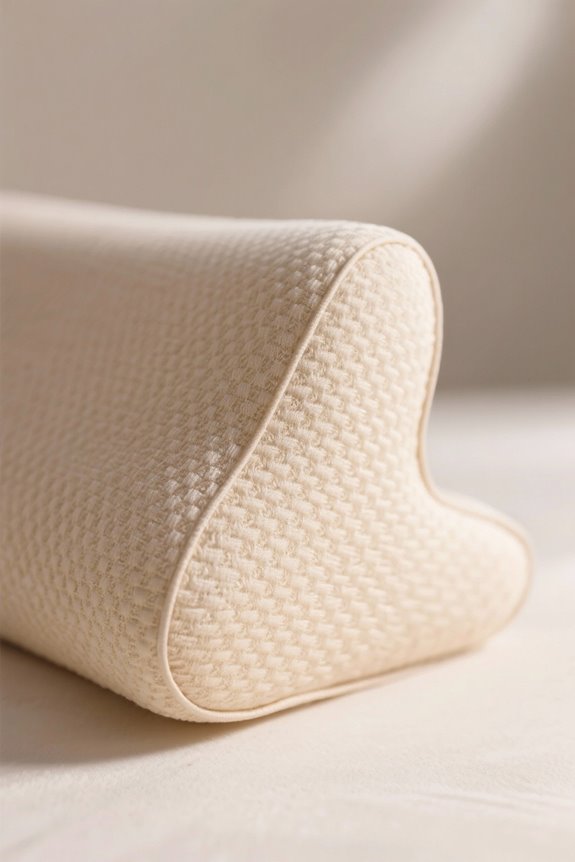
Individuals experiencing acid reflux, sleep apnea, or snoring should consider wedge pillows as a beneficial addition to their sleep routine. These pillows elevate the torso, helping to minimize acid movement during sleep for those with acid reflux. People who snore or have sleep apnea may find wedge pillows useful, as the incline keeps airways open. Post-surgery patients, particularly after abdominal or upper body procedures, benefit from wedge pillows to guarantee comfort and reduce pressure on surgical areas. Side sleepers should opt for contoured models to support their body’s natural curve, while back sleepers may prefer flatter designs. Adjustable wedge pillows also allow users to customize the incline angle, enhancing support and comfort tailored to individual sleep positions. For those seeking proper neck alignment, neck roll pillows can be an alternative, providing ergonomic support and potentially alleviating tension.
Key Features to Look for in an Acid Reflux Pillow
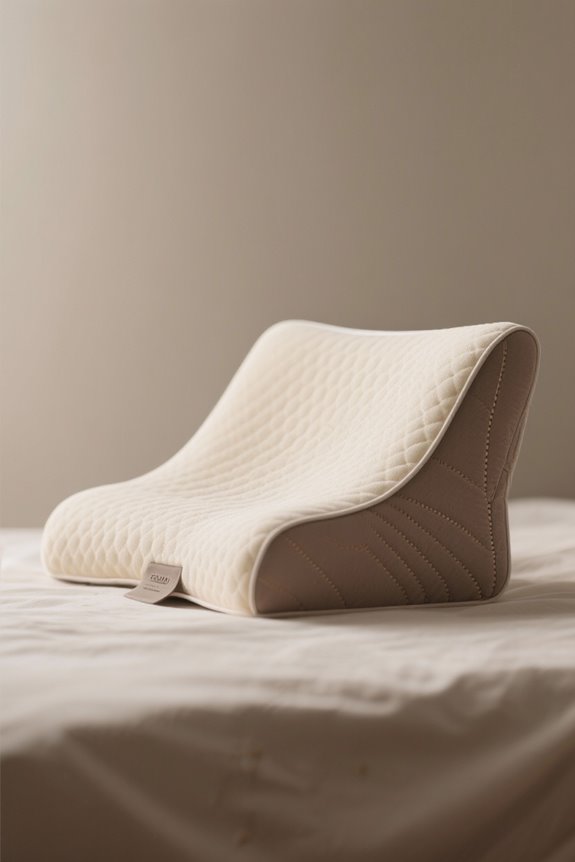
When selecting an acid reflux pillow, several key features greatly enhance comfort and effectiveness. Look for a pillow with an incline of 30 to 45 degrees, elevating your head by 6 to 12 inches. This angle considerably reduces acid movement while sleeping. Choose hypoallergenic materials to guarantee a safe sleeping environment, particularly if you have allergies. Consider an adjustable wedge pillow for customizable incline heights and angles, allowing you to find the best position for your comfort. For side sleepers, softer, contoured designs are preferable, while back sleepers benefit from firmer, flat wedges for better support. Properly place the wedge by positioning the broader end against the headboard to ensure full support for your head and shoulders. Additionally, when selecting neck support options, consider ergonomic designs that conform to the natural curvature of the cervical spine, enhancing comfort and spinal alignment.
Optimal Sleeping Positions With a Wedge Pillow
Finding the ideal sleeping position with a wedge pillow greatly impacts comfort and acid reflux relief. To achieve this, tilt the wedge pillow at a 30- to 45-degree angle. This angle helps prevent stomach acid from moving into the esophagus. For side sleepers, choose a soft, contoured wedge. Back sleepers should select a flatter, supportive option to maintain proper head and neck support. Position the broad end of the wedge against the headboard, aligning the thinnest part between the hips and mid-back. Make sure both head and shoulders are supported to avoid slipping off. Adjusting to a wedge pillow may take time. Experiment with different heights and angles to find preferable sleeping positions that provide comfort and effective acid reflux relief. Consider CertiPUR-US certified memory foam pillows for added safety and durability, as they ensure odor-free comfort and support for various sleeping positions.
Additional Support for Enhanced Comfort
Supportive accessories can enhance comfort when using a wedge pillow. Consider adding knee elevation options to improve joint pain relief and spinal alignment. These features can provide targeted support, making wedge pillows more effective for those struggling with acid reflux and sleep apnea. To maximize comfort, select adjustable wedge pillows. This allows users to customize angle and height, accommodating personal preferences and health needs. Aim for an incline between 30 to 45 degrees for ideal results. This elevation keeps airways open, promoting better airflow and reducing symptoms associated with nasal congestion. Experiment with different positions and adjustments to find what works best for individual comfort. Consistent usage can lead to more restful nights and improved overall well-being. For optimal cooling during hot nights, consider portable options like bed fans that can enhance sleep quality.
Adjusting to Your New Wedge Pillow
Adjusting to a new wedge pillow often requires time and patience. Initially, users may need a few nights to adapt to the elevation and angle that differ from traditional flat pillows. Experiment with various brands and materials to find the option that feels most comfortable for your needs. Consider trying different incline heights, as these can notably impact sleep quality. If discomfort persists, reposition the pillow or add standard pillows for extra support. Regular, consistent use of the wedge pillow can lead to improved sleep and reduced symptoms of conditions like acid reflux. Over time, many users report enhanced sleep quality and overall comfort as they adjust to the supportive benefits of their new wedge pillow. Additionally, for those who experience issues like neck strain, using a gusseted design pillow can provide extra height and support, improving spine alignment and contributing to overall comfort.
Maintaining Your Wedge Pillow for Longevity
To guarantee a wedge pillow remains effective and lasts long, regular maintenance is necessary. Check the pillow cover for stains or damage every month. Clean it following the manufacturer’s care instructions to guarantee proper hygiene. Use a breathable, protective cover to shield the pillow from spills and allergens, which enhances durability. Store the wedge pillow in a cool, dry place to prevent moisture buildup. Avoid folding or compressing the pillow, as maintaining its shape is important for ideal support. Replace the wedge pillow every 2-3 years or sooner if significant wear appears. Monitoring firmness is essential, ensuring it continues to alleviate health concerns like reflux or snoring effectively. Consider exploring alternative therapies for additional support in maintaining cervical health and comfort.
Other Health Benefits of Wedge Pillows
Wedge pillows offer several health benefits beyond alleviating reflux. They can help improve air quality by preventing excess airflow obstruction that exacerbates conditions like sleep apnea. Users may notice enhanced nighttime breathing and reduced snoring. Wedge pillows guarantee proper spinal alignment, aiding in the relief of back and neck pain. Pregnant individuals can benefit from the elevated position, which promotes blood circulation and reduces weight on the abdomen. Additionally, these pillows can assist during post-surgical recovery by easing pressure on surgical sites, especially abdominal areas. Using wedge pillows may also facilitate better digestion, minimizing the likelihood of stomach acid rising. Certifications signify commitment to ensuring the materials used in wedge pillows are safe and non-toxic, contributing to a healthier living environment. Ultimately, investing in a wedge pillow can support overall wellness and improve sleep quality.
Customer Feedback and Quality Insights
Many users find that switching to wedge pillows greatly improves their sleep quality. Reports indicate that individuals experienced relief from issues like acid reflux and snoring within two weeks. Key feedback highlights the significance of a 30- to 45-degree incline, which effectively supports conditions such as GERD and post-surgery recovery. Adjustable wedge pillows are favored, allowing users to customize their angle for maximum comfort. Additionally, many customers appreciate hypoallergenic materials, addressing concerns for those with allergies or sensitive skin. High satisfaction ratings confirm that a quality wedge pillow enhances overall wellness and can alleviate discomfort. If you are short of breath at night, consider trying a wedge pillow to improve your sleep experience.
Frequently Asked Questions
What Is the Best Angle for a Wedge Pillow for Acid Reflux?
Like a gentle ramp guiding a vehicle upward, the ideal wedge angle for alleviating acid reflux ranges between 30 to 45 degrees. This positioning optimizes wedge pillow benefits, enhancing reflux sleep position and comfort.
What Are the Negatives of a Wedge Pillow?
Negatives of a wedge pillow include possible discomfort levels due to the elevated angle, potential decline in sleep quality from sliding down, and durability concerns as some materials may wear out faster than expected.
What Height Wedge Pillow Is Best for Snoring?
A 6 to 12 inch wedge pillow creates an inviting incline, guiding airways open and minimizing snoring. Individual comfort preferences and sleep position influence effectiveness, making it essential to tailor height for ideal snoring solutions.
Are Wedge Pillows Good After Shoulder Surgery?
Wedge pillows enhance recovery comfort after shoulder surgery by improving sleeping posture and facilitating pain management. Their incline supports the surgical site, reduces swelling, and encourages ideal healing while preventing rolling during sleep, promoting restful recovery.