
Blue light negatively affects sleep by disrupting melatonin production and circadian rhythms. Limit blue light exposure by setting a tech cutoff time at least one hour before bedtime. Use blue light filters on devices and consider wearing blue light blocking glasses. Switch to warm, dim lighting in the evening to support sleep preparation. Consistency in bedtime is essential. These strategies help improve sleep hygiene. For additional insights on managing blue light, further information is available.
Key Takeaways
- Limit screen time and set a tech cutoff at least one hour before bedtime to reduce blue light exposure.
- Use blue light filters or “night mode” settings on devices to minimize blue light emissions in the evening.
- Wear blue light blocking glasses in the evening to protect melatonin production and enhance sleep quality.
- Create a calming evening routine with activities like reading or listening to music, using warm, dim lighting to support circadian rhythms.
- Implement blackout curtains to ensure a dark sleep environment, promoting higher melatonin levels and better sleep hygiene.
Understanding Blue Light and Its Effects on Sleep
Understanding blue light and its effects on sleep is essential for maintaining healthy sleep patterns. Blue light is emitted by devices, including phones and tablets. Excessive evening exposure to blue light can delay melatonin production, which is vital for initiating sleep. When melatonin levels drop, the sleep-wake cycle becomes disrupted, resulting in increased sleep latency. Research suggests that blue light suppresses melatonin for twice as long as green light, leading to lower sleep quality and potential cognitive impairments. Children and teenagers are particularly vulnerable to these effects. To mitigate these issues, consider using blue light blocking glasses when using evening screens. Aim to limit blue light exposure at least one hour before bedtime for improved sleep quality and overall health. Additionally, using cooling solutions like MightySleep Bed Fan can further enhance sleep quality during hot nights, providing a conducive environment for restful sleep.
The Role of Circadian Rhythms in Sleep Quality
Circadian rhythms are crucial for regulating sleep quality and overall health. These internal clocks, averaging 24.25 hours, control sleep patterns and hormone release. Evening blue light exposure disrupts circadian rhythms by suppressing melatonin production, making it difficult to fall asleep. Research shows that such exposure can delay sleep onset by more than three hours, greatly affecting healthy sleep. Chronic misalignment of circadian rhythms can lead to sleep disorders and increased health risks, including metabolic issues and mood disturbances. To promote better sleep quality, limit nighttime exposure to blue light from electronic devices. Establish regular light-dark exposure patterns to keep circadian rhythms synchronized with the environment. Magnesium glycinate supplements can effectively enhance sleep, relaxation, and overall health. This practice is crucial for achieving restful and restorative sleep.
Devices and Sources Contributing to Blue Light Exposure
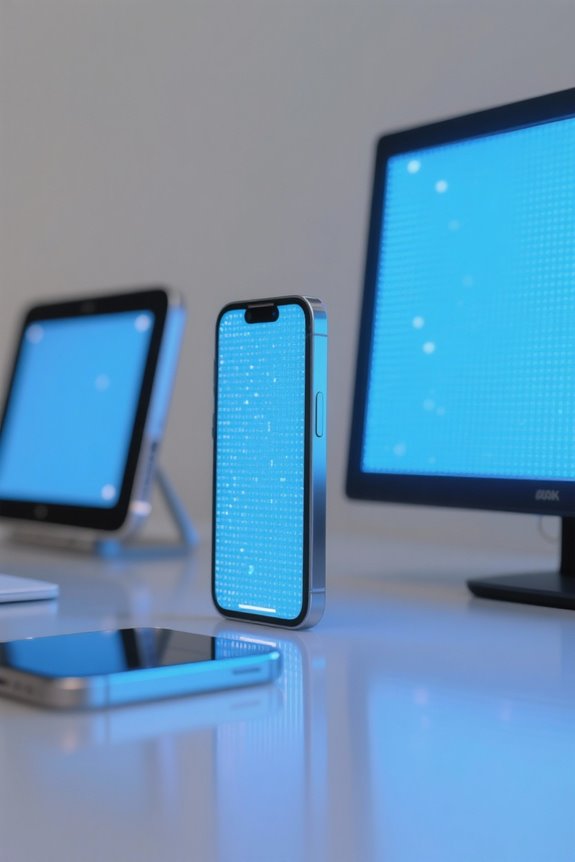
Numerous devices and sources contribute to blue light exposure in daily life. Smartphones, tablets, computers, and televisions emit significant blue light, especially during extended screen time. Fluorescent and LED lights also enhance overall exposure throughout homes and workplaces. Research shows that this prolonged exposure, particularly in the evening, can delay melatonin production by nearly 50%, disrupting sleep patterns. Children and teens are especially vulnerable due to their developing eyes. To mitigate this risk, use blue light filters, such as “Night Shift” or “Night Light,” on devices during the evening. This adjustment can help improve mood and alertness while promoting healthier sleep habits. Portable blackout curtains can also help reduce light exposure in the evenings, creating a darker environment conducive to better sleep. By managing blue light exposure, individuals can enhance their overall well-being and sleep quality.
Recommended Products

Best Blue-Light and Damage protection. Strongest with best Blue-Light optical grade filters

REDUCES EYE STRAIN: Our blue light blocking screen protector filters out up to 61% of blue light and up to 99% of UV light to help minimize eye fatigue.
Strategies for Reducing Blue Light at Night
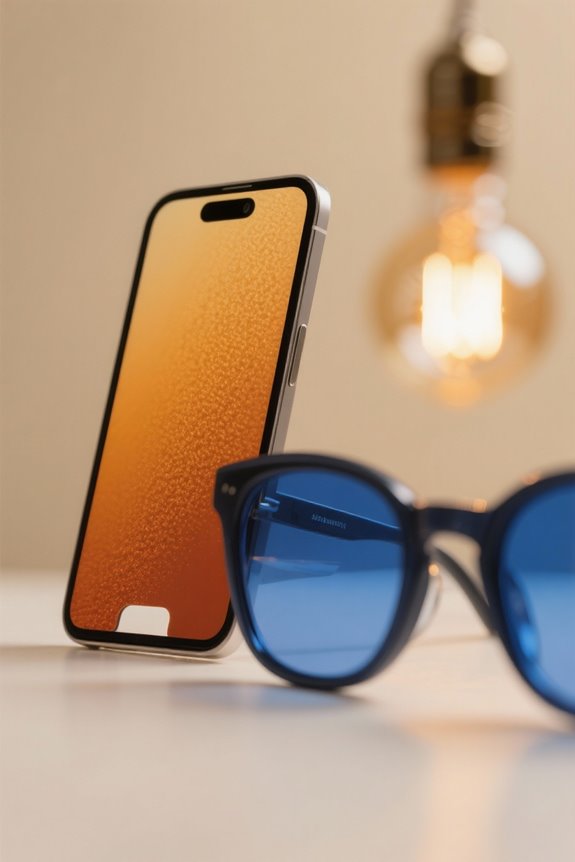
Reducing blue light exposure at night is essential for improving sleep quality. Begin by dimming LED and fluorescent lights in the evening to maintain melatonin levels. Set tech cutoff times at least one hour before bedtime to ease the shift to sleep. Use blue light filters or “night mode” settings on devices to minimize blue light during screen use. Additionally, consider wearing blue light blocking glasses, which help filter harmful wavelengths and can reduce sleep latency. It’s important to choose glasses that block blue light in the critical 450-510nm range for effective sleep improvement. To create a dark sleep environment, install blackout curtains to block external light. These strategies collectively reduce blue light exposure and enhance sleep quality, leading to more restful nights and improved overall well-being.
Recommended Products
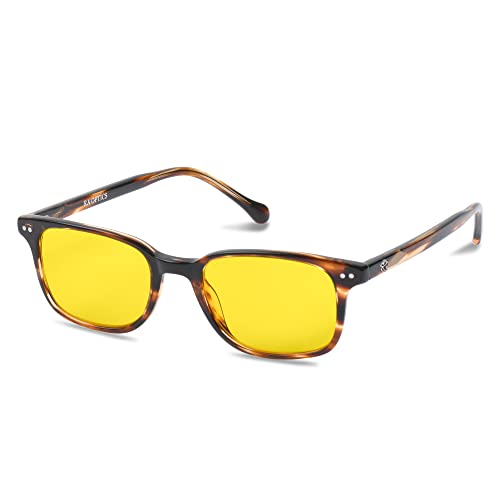
Benefits: Wear Daylight Lenses whenever you are exposed to man-made light sources during the day, whether you are on the computer, at the office, or at school. Eliminate eye strain, headaches, and afternoon fatigue. Calm your mind, boost your focus, and increase your productivity.

WIND DOWN BEFORE BED — SleepAid orange lenses filter 99% of blue light so your brain starts its natural sleep process. Wear 1-2 hours before bed while watching TV, scrolling, or reading. Your screen still looks great — you just sleep better after.

Teravan Somnus I glasses block close to 100% of both blue and green wavelengths, improving your sleep patterns and reducing eyestrain. Teravan Somnus I glasses block all wavelengths below 550 nm, which includes blue, green and violet.
Creating an Evening Routine for Better Sleep Hygiene
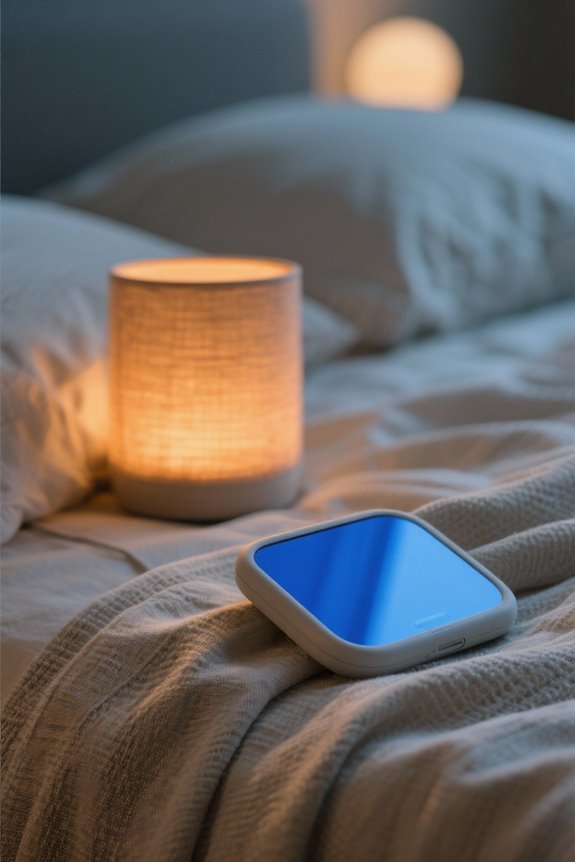
How can an evening routine improve sleep hygiene? Establish a tech cutoff time at least one hour before bedtime. This reduces blue light exposure, enhancing melatonin production. Incorporate relaxing activities like reading or listening to soft music to signal relaxation. Use warm, dim lighting in the last hour to support your circadian rhythm. Consistency is key, so maintain the same bedtime each night to regulate sleep cycles. Consider using blue light filters or blocking glasses during evening screen time. White noise machines can further enhance sleep quality by providing soothing sounds and calming night lights. These steps will make it easier to fall asleep and achieve restorative rest. By following a structured evening routine, individuals can greatly enhance their sleep quality and overall sleep hygiene. Prioritize these practices for better sleep outcomes.
Recommended Products
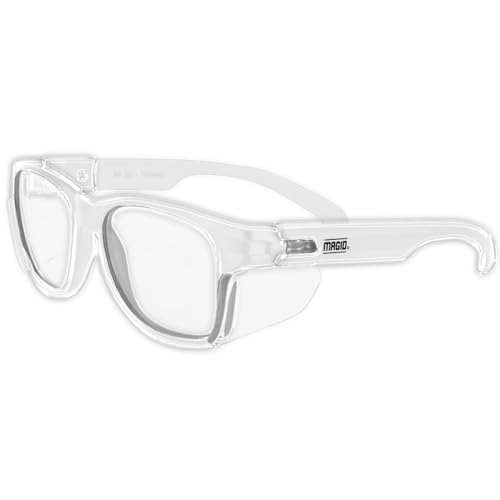
ANSI Z87.1+ CERTIFIED IMPACT PROTECTION — Independently tested and compliant with the ANSI Z87.1+ high-impact standard to protect against flying debris, particles, and projectiles on construction sites, manufacturing floors, and industrial worksites. Also compliant with CSA Z94.3 for Canadian jobsites.
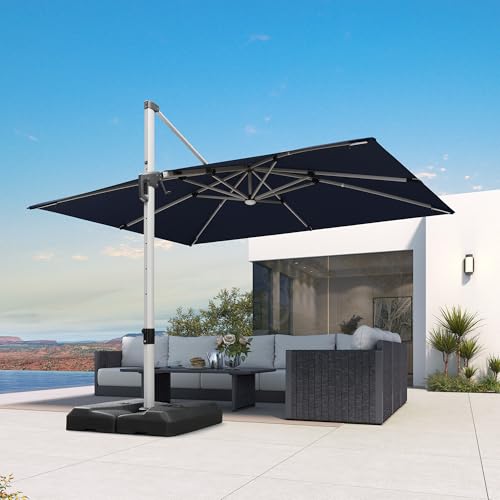
【Solar-powered LED Lights】 Designed with 7 LED outdoor umbrella ribs. At night, it casts a warm, romantic glow over your patio, making it ideal for any outdoor setting.

Perfect addition of functionality and style for your backyard patio fire pits. This stunning rectangular fire Table creates a truly unique fire feature that perfectly compliments any outdoor space that will draw the attention of your family and guests
Frequently Asked Questions
How Many Hours Before Bed Should You Not Look at the Blue Light?
To cultivate serene bedtime rituals, individuals should ideally refrain from screen time for about 2-3 hours before sleep. This helps preserve melatonin production, alleviate eye strain, and enhance overall sleep quality, benefiting long-term health impacts.
Does a Blue Light Filter Actually Help With Sleep?
A blue light filter can improve sleep quality by mitigating blue light effects that suppress melatonin production during screen time. This helps align circadian rhythms, reducing eye strain and promoting healthier nighttime routines with better overall health implications.
What Is the Downside of a Blue Light Filter?
The downside of a blue light filter lies in its illusion of safety; it may fail to alleviate sleep impact, eye strain, and mental health issues while distracting from healthy nighttime habits and reducing overall productivity levels.
Should You Do Blue Light Therapy in the Morning or at Night?
Blue light therapy is best conducted in the morning for suitable timing. This enhances mood, boosts productivity, and aligns circadian rhythms. Night sessions may hinder sleep efficiency and skin health. Favor morning benefits for energy levels and therapy duration.